At a late-night wine tasting, Mr. Yang swirled his glass and sighed, "The Italian Barolo I started representing last year is almost sold out from the warehouse." This is already the fifth client this month who has inquired about becoming an imported wine agent. What exactly makes representing imported wine such a hot business? Today, we will unveil the wealth code of this "liquid gold."
Why Choose Imported Wine Agency?
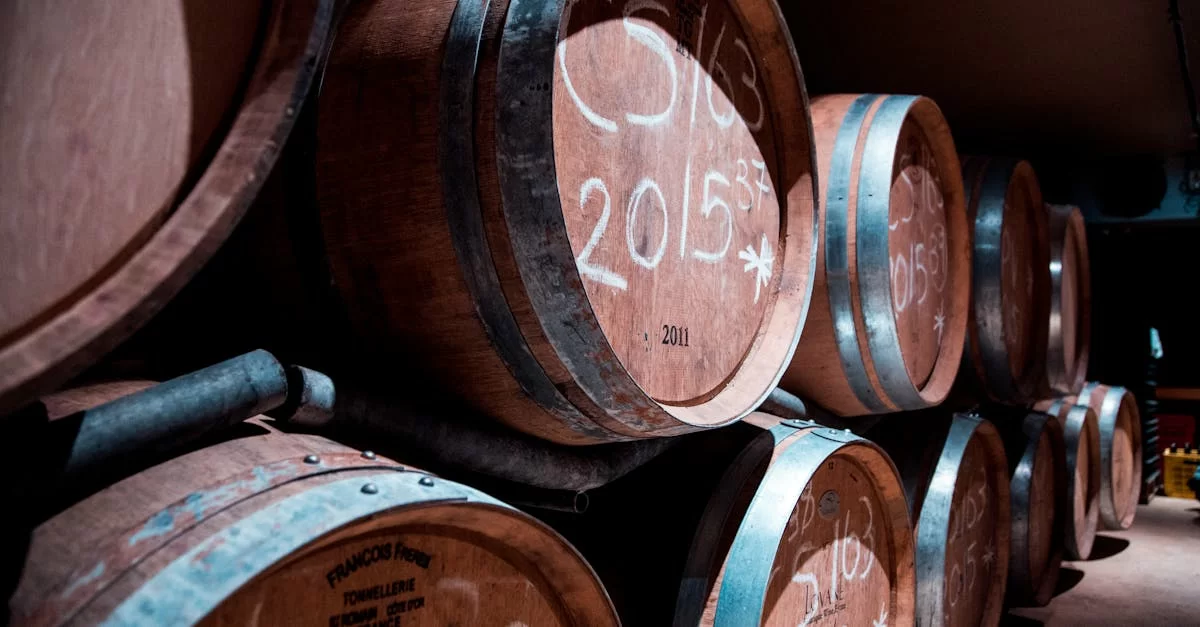
According to customs data, the average annual growth rate of imported wine has been 17.3% over the past three years. China has become the fifth-largest wine-consuming country globally, yet its per capita annual consumption is only 1.3 liters, indicating immense market potential. Mr. Yang case is quite representative: through community marketing, she achieved a stable monthly sales volume of 200 cases for the French Cru Bourgeois series she represents.
- Consumption Upgrade: The middle class is more willing to pay for quality.
- Profit Margin: High-quality wines can achieve gross profit margins of 50%-70%.
- Cultural Premium: Wine inherently possesses the attribute of social currency.
A Comprehensive Analysis of Mainstream Agency Wines
The Marketing Director of Zhongmaoda Wine Industry revealed that the current agency market is in a "three-legged" standoff:
- French Wines: Account for 38% of imports, with Bordeaux AOC grades being the most popular.
- Italian Wines: Super Tuscans series have an annual growth rate of 25%.
- Chilean Wines: The king of cost-effectiveness under zero tariff policy.
It is worth noting that niche regions are on the rise. Assyrtiko white wine from Santorini, Greece, set a record of 3,000 bottles sold in a single day last year through short video sales.
Agency Pitfall Avoidance Guide
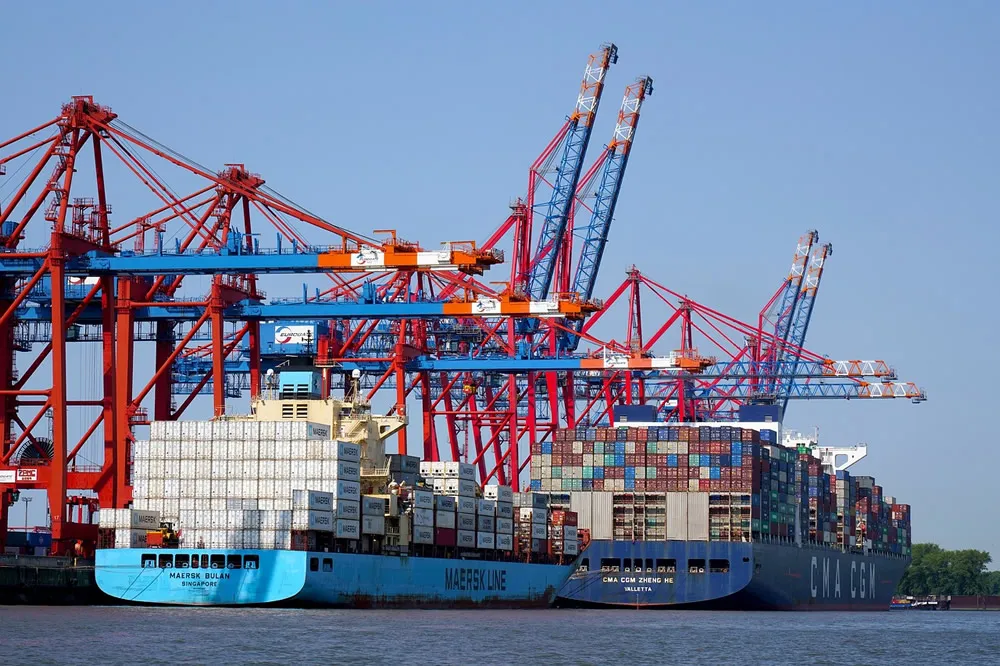
A cross-border e-commerce platform statistics show that newcomers often fall into three major pitfalls:
- Blindly pursuing renowned wines, leading to a cash flow breakdown.
- Neglecting storage conditions, causing wine quality damage and disputes.
- Failing to conduct regional market research, resulting in products that don't resonate with the local market.
Senior importer Mr. Wang advises: "Start by testing the waters with 3-5 basic wine varieties, and then expand your product range after building a customer database." Professional wine cabinets with temperature control at 18°C and humidity at 65% should be standard equipment for agents.
Opportunity Window for the Next Three Years
Industry observations indicate that three major trends are reshaping the agency landscape:
- Deepening of on-premise channels: A surge in procurement from restaurants in third and fourth-tier cities.
- Youthful consumption: Light luxury wines priced under 200 yuan are favored by the post-90s generation.
- Digital operations: AI wine selection systems improve the efficiency of product selection.
As the successfully transformed Mr. Yang put it: "The question now is not whether to represent, but how to seize this wave of opportunity." Are you ready to raise this glass of vintage wine of the era? Welcome to share your imported wine agency stories in the comments section. We will select three readers to receive the Imported Wine Product Selection White Paper.

Recent Comments (0) 0
Leave a Reply