When the first cup of milk awakens the taste buds in the morning, few people ponder the transnational journey behind these high-quality milk sources. With the upgrading of domestic dairy product consumption, the dairy cattle import agency industry is quietly becoming an invisible bridge connecting global premium pastures with the Chinese market. Today, we will unveil the mystery of this multi-billion dollar industry chain.
Why are Imported Dairy Cattle Needed?
According to industry data, the domestic inventory of high-yielding dairy cattle can only meet 60% of the demand for high-end dairy products. "Mr. Lan", an agent with over a decade of experience, frankly states: "The single yield of Holstein cattle is 2-3 times that of ordinary domestic dairy cattle, and the milk protein content of New Zealand Jersey cattle even reaches over 3.8%."
- Breed Advantages: Annual milk yield of imported dairy cattle generally exceeds 8 tons
- Genetic Optimization: Stable genetic traits formed by centuries-old breeding systems abroad
- Epidemic Control Standards: Comprehensive biosecurity control systems in European and American farms
Three Core Stages of Import Agency
The "Zhongmaoda" team, where "Mr. Lan" works, recently completed the introduction of a batch of Australian dairy cattle. She revealed the three most critical stages in this process:
- Source Selection: Requires on-site inspection of farm environment, pedigree certificates, and vaccination records
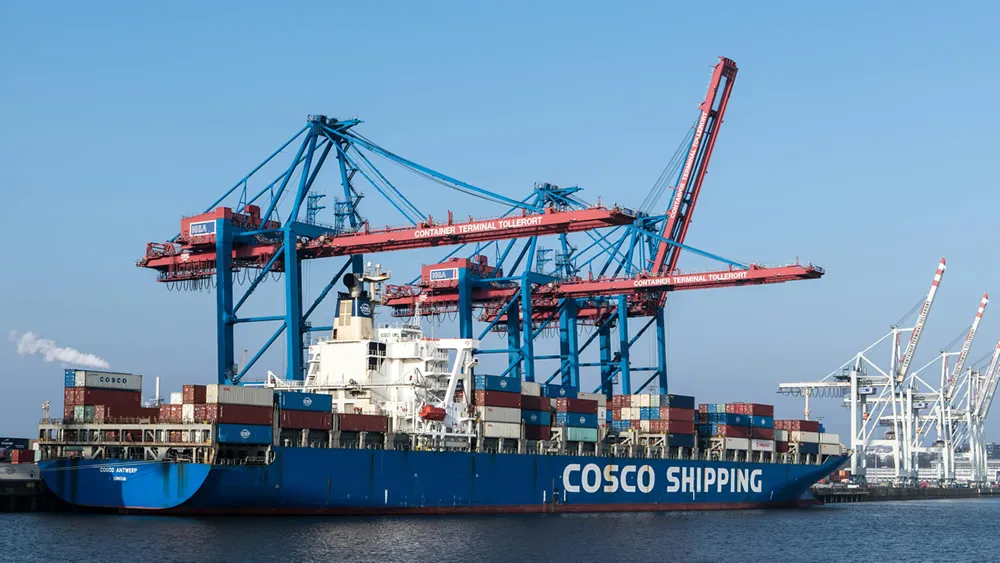
- Cross-border Transportation: Professional quarantine inspection + constant temperature transportation cabins, mortality rate must be controlled below 1%
- Local Adaptation: A 60-day transitional feeding plan is crucial
Five Major Hidden Risks in the Industry
This seemingly lucrative industry is actually fraught with hidden dangers. A case of failure showed that, due to insufficient consideration of climatic differences, 200 dairy cattle suffered a respiratory disease outbreak after transfer, resulting in direct losses exceeding ten million:
- Overseas epidemic monitoring has a 3-6 month lag period
- Risk of feed spoilage during sea transport
- Sudden changes in domestic quarantine policies
- Exchange rate fluctuations affecting settlement costs
- Mismatch of farm supporting facilities
Future Trend: From Live Animal Imports to Gene Technology
With the maturity of embryo transfer technology, the industry is undergoing revolutionary changes. The transportation cost of frozen embryos is only 1/20 that of live animals and can avoid most quarantine risks. However, "Mr. Lan" also pointed out: "Currently, fewer than a hundred farms in China are qualified for embryo transfer, and this technical barrier will likely persist in the short term."
Is Your Farm Ready for Upgrading?
When we choose imported dairy products in the supermarket, it might be the result of a species migration across half the globe. In this era of global resource allocation, whether planning to introduce 50 or 5000 dairy cattle, professional import agency services can make this transnational "matchmaking" more efficient and reliable. Feel free to share your insights on building high-quality milk sources in the comments section or send a private message to get the latest import policy white paper.

Recent Comments (0) 0
Leave a Reply