Mr. Fang has been very troubled recently. He runs a small handicraft workshop in Yiwu. His products are of high quality and domestic orders are stable. However, seeing his peers making a fortune through export business, he also wants to give it a try. But facing complex export procedures, high logistics costs, and unfamiliar foreign trade rules, this small business owner is in a dilemma: "Can a small business like mine really do export?"
Small-Scale Agency Export: A Shortcut for Small Businesses to Go Global
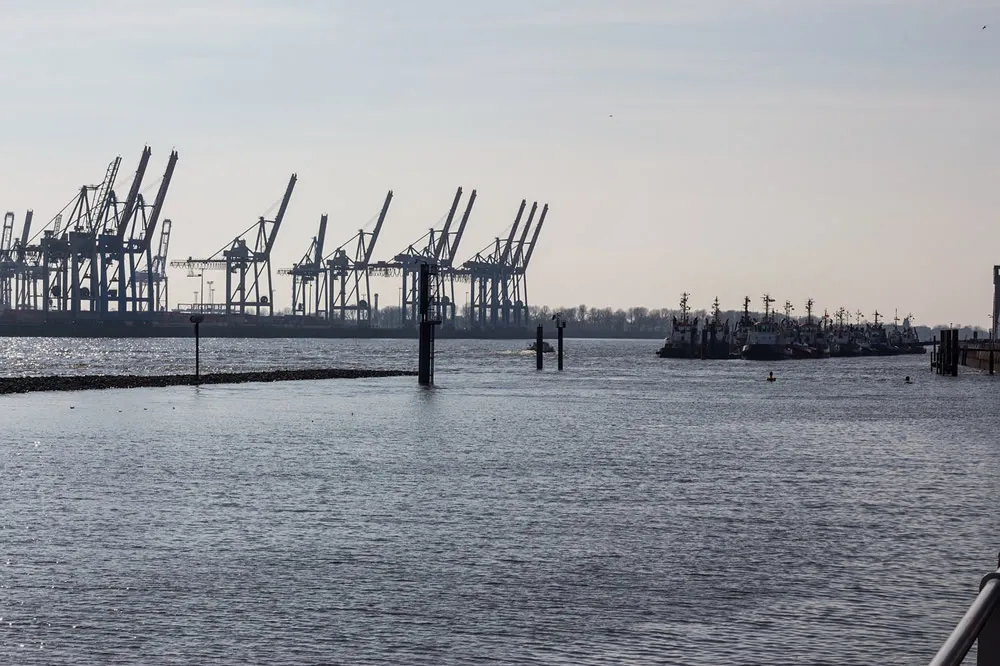
In fact, with the popularization of cross-border e-commerce and global trade, small-scale agency export is becoming the choice for more and more small and medium-sized enterprises. Compared with traditional self-operated export, this model provides full-process support through professional foreign trade service providers, allowing micro and small enterprises to test the international market at a lower cost.
- Cost Advantage: No need to build your own foreign trade team, share the agency's resources and channels
- Controllable Risk: Settle by order, avoiding large capital occupation
- Professional Support: From customs declaration and inspection to foreign exchange settlement, experts provide guidance throughout the process
Analysis of Three Key Links
Mr. Fang clothing studio successfully opened up the Southeast Asian market through agency export. She shared some key experiences:
1. Product Selection Strategy: Not all products are suitable for small-scale export. Products that are small in size, high in added value, and low in transportation costs have more advantages. For example, jewelry, cultural and creative products, specialty foods, etc.
2. Agent Selection: It is important to carefully examine the qualifications, service scope, and successful cases of the agency. One-stop services provided by professional institutions like Zhongmaoda can significantly reduce the trial-and-error costs for beginners.
3. Logistics Optimization: For small batch and multiple shipments, consolidated shipping and cross-border e-commerce logistics are often more economical than traditional sea freight. An industry insider revealed: "By optimizing the logistics plan, we saved 30% of the transportation costs."
Pitfall Avoidance Guide: Common Mistakes for Newcomers
- Underestimating certification requirements: Different countries have different regulations for product certification
- Ignoring cultural differences: Packaging design and product descriptions need to be localized
- Exchange rate risk: Small businesses need to pay more attention to the impact of foreign exchange fluctuations on profits
The Future is Here: Digitalization Empowers Small Foreign Trade
With the development of foreign trade comprehensive service platforms, small-scale agency export is becoming more and more convenient. Customs declaration, tax refund, and other processes can be completed through mobile apps, and intelligent logistics systems automatically match the optimal transportation solutions. These technological advancements are breaking down scale limitations and giving every unique small business the opportunity to become a "micro multinational corporation."
Do you also have a "dream of going global"? Feel free to share your thoughts or concerns in the comment section. Perhaps your small business will be the next one to successfully open up the international market!

Recent Comments (0) 0
Leave a Reply