When Mr. Lai drove his newly purchased imported car into the 4S store, a remark from the service advisor stunned him: "This transmission module needs to be ordered from the original German factory, but we have it in stock right here in Baoshan District." How many unknown industry secrets are hidden in this seemingly ordinary Shanghai suburb?
Why Do Global Brands Choose Baoshan District?
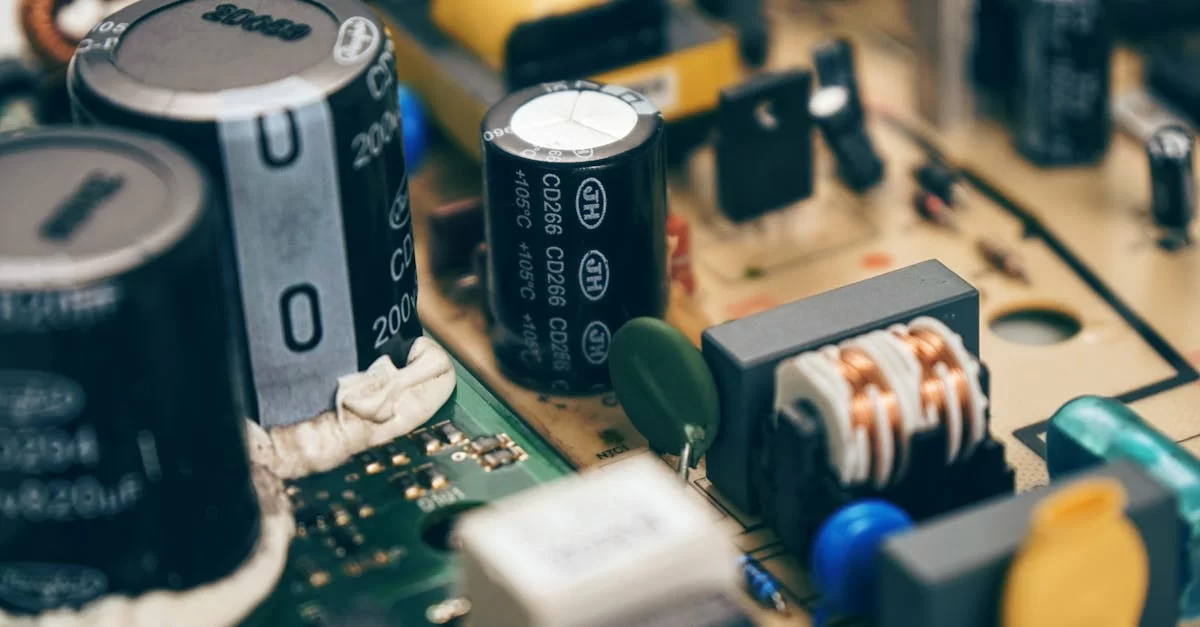
As a transportation hub in the northern wing of Shanghai, Baoshan District has built a complete imported parts ecosystem thanks to its unique locational advantages: a 15-minute drive to Waigaoqiao Free Trade Zone, a 30-minute direct reach to Hongqiao Hub, and priority customs clearance for deep-water port containers. Mr. Lai logistics company data shows that European auto parts shipped from here save an average of 1.7 days in turnaround time compared to the South China region.
- Port Advantages: Wusong International Cruise Terminal combined with Luojing Container Terminal
- Warehousing Network: 37 constant temperature and humidity bonded warehouses across the district
- Policy Support: Cross-border e-commerce pilot and free trade zone linkage
Decoding the "Rules of Survival" for Agent Brands
Cases of leading agents like Zhongmaoda reveal the industry truth: the era of mere "reselling" is long over. Data from a certain German brand in 2023 shows that agents with technical diagnostic capabilities reduced repair rates by 62% and increased customer retention by 3 times. Agents here are generally equipped with:
- Original factory certified engineer team
- 3D scanning reverse engineering capability
- 48-hour emergency response mechanism
The Three Biggest Misconceptions Consumers Are Most Likely to Fall Into
Ms. Wang's experience of buying counterfeit brake pads at the price of genuine ones last month is not an isolated case. Industry experts advise paying attention to:
- Misconception One: "Original Packaging" Does Not Equal "Original Authorization"
- Misconception Two: Low-priced Parts May Lack Environmental Certifications
- Misconception Three: Modifying Non-standard Parts Carries Legal Risks
The Future Is Here: Digitalization Reshaping the Supply Chain
When blockchain traceability technology meets imported parts, a silent revolution is underway. A pilot project by an agent shows that a scan-to-verify system reduced complaint rates by 89%. Even more noteworthy, innovative services like AR remote installation guidance are redefining the value proposition of "agency."
Standing at Wusongkou and gazing at the Yangtze River, those containers carry not only metal and rubber, but also modern business parables of trust and efficiency. The last time you replaced an imported part, did you notice the origin on the logistics slip?

Recent Comments (0) 0
Leave a Reply