When Mr. Xiong first sold his own handicrafts overseas, he thought that as long as the product quality was excellent, orders would pour in continuously. However, complex customs declaration procedures and unfamiliar international trade rules almost made him miss a big deal. It was then that the emergence of a professional export agent completely changed his foreign trade journey. Today, let's unveil the mystery of export agents and see what key responsibilities these "invisible enablers" of foreign trade actually undertake.
Core Responsibility One: Full Process Customs Clearance Management
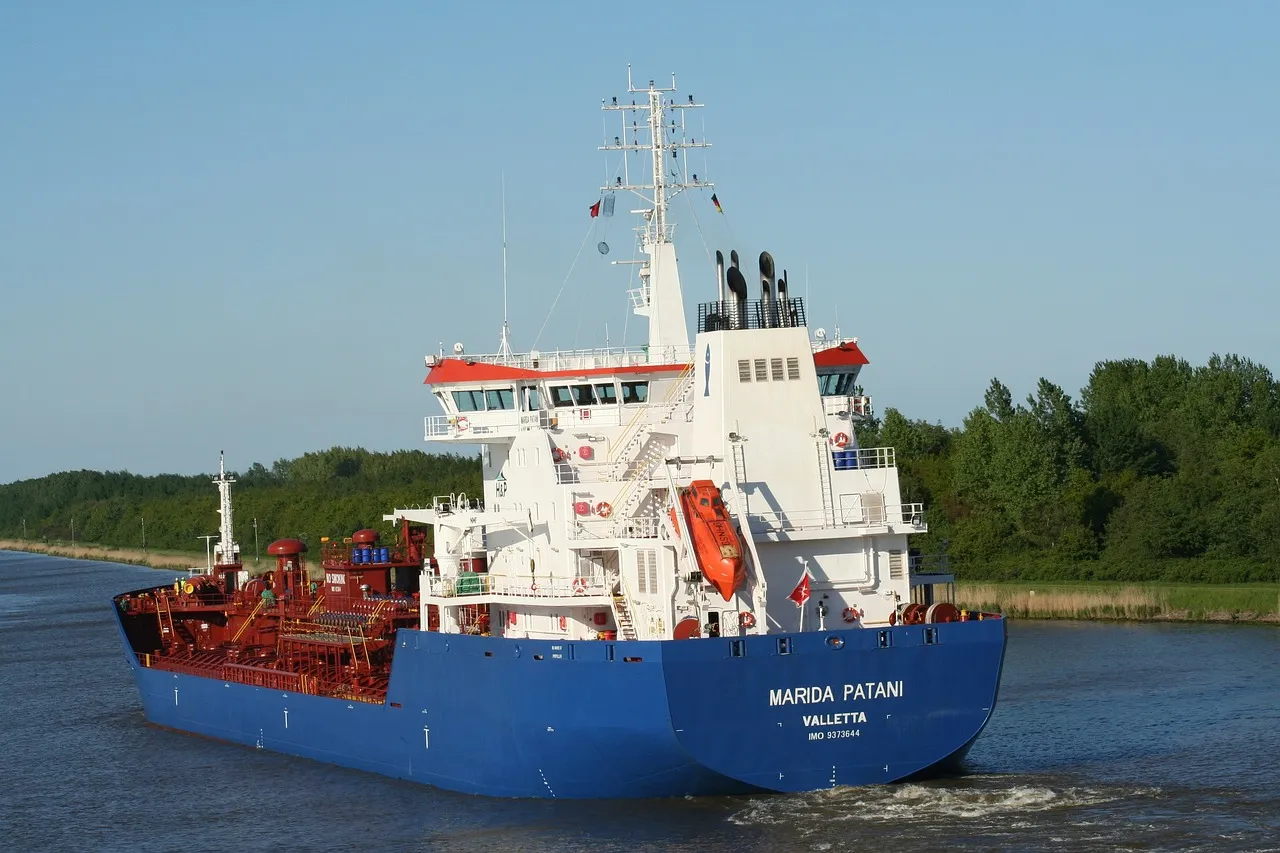
The primary task of an export agent is to ensure goods cross borders smoothly. This includes:
- Precisely reviewing trade contracts, invoices, and other documents to prevent customs clearance delays due to document errors
- Matching optimal tariff schemes based on Harmonized System Codes (HS Code) to help businesses save costs
- Coordinating customs inspections and handling emergencies such as inspection anomalies or document corrections
Mr. Xiong food export business was once returned due to a lack of understanding of the destination country's labeling requirements. The professional agent's ability to foresee risks in advance helped her avoid a loss of 200,000 yuan.
Core Responsibility Two: Logistics Solution Customization
From sea freight LCL (Less than Container Load) to expedited air freight, export agents need to:
- Design transportation solutions based on cargo characteristics (fragile/hazardous materials/cold chain)
- Balance timeliness and cost, for example, air freight for electronics, sea freight preferred for bulk goods
- Track logistics dynamics in real time and respond to emergencies such as port congestion
A batch of urgently delivered medical devices saved 72 hours compared to regular routes, thanks to the "air freight + local land transport" combined solution designed by the agent.
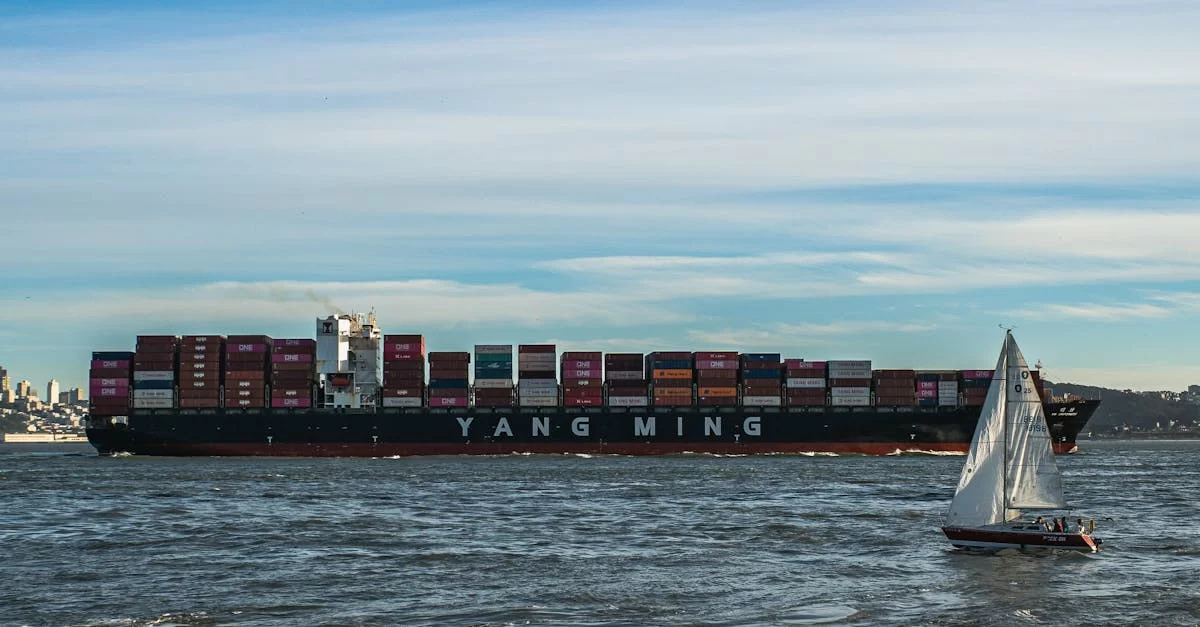
Core Responsibility Three: Compliance Risk Control System
As international trade regulations become stricter, the agent's role as a compliance steward becomes increasingly vital:
- Warning about updates to export control lists (e.g., semiconductor technology export restrictions)
- Reviewing payment receipt and disbursement channels to prevent money laundering risks
- Establishing product traceability records to respond to anti-dumping investigations
Last year, a furniture manufacturer was suddenly subject to anti-dumping duties. Its agent, by preparing certificates of origin in advance, ultimately reduced the tariff rate by 37%.
Beyond Tradition: Value-Added Services Create New Value
Leading agency organizations, such as Zhongmaoda, have shifted from basic services to:
- Market analysis: Identifying blue ocean markets through customs data
- Financial support: Providing export credit insurance and supply chain financing
- Digital tools: Smart systems for one-click customs declaration generation
This transformation enabled a certain auto parts enterprise to successfully expand into the Eastern European market through the agent's buyer credit reports.
Choosing an Agent: Three Golden Standards
Facing a wide array of agency services on the market, it is advisable to consider:
- Industry specialization (experience in niche sectors such as chemical/food/machinery)
- Global network coverage (whether there are local teams in key ports)
- Emergency response speed (ability to provide 24/7 support)
Epilogue: Does Your Foreign Trade Partner Make the Grade?
As you clink glasses with clients at international exhibitions, don't forget the unsung heroes behind the scenes who ensure your goods arrive on time. Re-examine your export agent: Are they merely mechanically processing documents, or are they safeguarding your global expansion strategy? Feel free to share your stories of working with agents in the comments section, or send a private message to get an export agent service evaluation checklist—the next one to clear customs successfully, will be you!

Recent Comments (0) 0
Leave a Reply