On the grand stage of international trade, freight forwarding companies play an extremely crucial role, and the export exchange rate is like the ever-changing lighting on this stage, profoundly impacting business operations. Today, let's have a good discussion about the export exchange rate situations involving freight forwarding companies like Zhongmaoda.
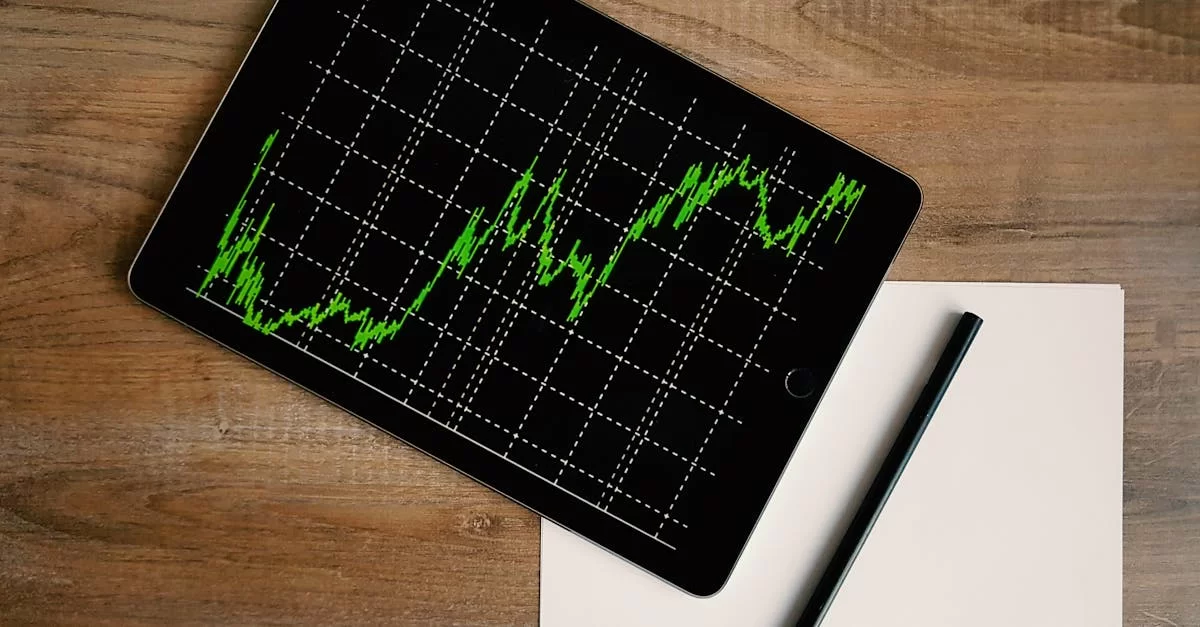
I. Why is the Export Exchange Rate So Crucial?
For freight forwarding companies like Zhongmaoda, the export exchange rate is not just a mere number.It directly affects the company's revenue and the clients' costs.When the exchange rate is favorable, it means that exporting the same goods will yield a higher amount in local currency, which undoubtedly increases the company's profit margin. For example, if Mr. Liu foreign trade enterprise exports a batch of goods worth 100,000 USD through Zhongmaoda as a freight agent, and the exchange rate is 1:6, the equivalent amount in local currency would be 600,000 yuan; but if the exchange rate changes to 1:6.5, they would receive 650,000 yuan in local currency, and the additional 50,000 yuan would be the extra profit brought by the exchange rate. Conversely, when the exchange rate is unfavorable, it may squeeze profits or even lead to losses. Moreover, exchange rate fluctuations also affect clients' pricing strategies. Mr. Liu, as a foreign trader who frequently cooperates with Zhongmaoda, needs to constantly monitor the exchange rate to reasonably price products, ensuring competitiveness in the international market while also safeguarding her own profits.
II. What Are the Factors Affecting the Export Exchange Rate?
- Firstly, macroeconomic conditions play a dominant role. A country's economic growth, inflation levels, and other factors all influence the value of its currency, thereby affecting the export exchange rate. For instance, when a country experiences strong economic growth, attracting a large influx of foreign capital, its currency often appreciates, and the export exchange rate changes accordingly.
- Secondly, the balance of international payments cannot be overlooked. If a country consistently runs a trade surplus, meaning its exports exceed its imports, its foreign exchange reserves increase, leading to upward pressure on its currency, and the export exchange rate will fluctuate accordingly.
- Furthermore, monetary policy is also a critical factor. The central bank's interest rate adjustments, changes in money supply, and other measures all impact the exchange rate. For example, an interest rate hike may attract foreign capital, leading to the appreciation of the local currency and thus altering the export exchange rate.
III. How Does Zhongmaoda Cope with Export Exchange Rate Fluctuations?
As a professional freight forwarding company, Zhongmaoda has its own set of coping strategies. On one hand, the company has strengthened its monitoring of the exchange rate market, deploying a professional team to constantly track economic data and policy developments from various countries, in order to timely predict exchange rate trends.This allows them to provide clients with reasonable advice before exchange rate fluctuations, such as locking in exchange rates in advance or adjusting shipment times.On the other hand, Zhongmaoda is continuously optimizing its business structure by expanding its client base with varying capacities for exchange rate risk tolerance, thereby diversifying the risks brought by exchange rate fluctuations. Concurrently, the company actively explores cooperation with financial institutions, utilizing financial instruments such as forward foreign exchange settlements to effectively hedge against exchange rate risks and protect the interests of both the company and its clients.
IV. How Can Foreign Trade Enterprises and Freight Forwarding Companies Better Cooperate on Exchange Rate Issues?
For foreign trade enterprises, it is essential to maintain close communication with freight forwarding companies like Zhongmaoda. They should timely provide the agency with detailed information about their business, including order volumes and expected profits, so that the agency can more accurately analyze exchange rate risks and propose appropriate solutions. Zhongmaoda, in turn, needs to continuously enhance its professional service level. In addition to providing high-quality freight forwarding services, it should also offer clients more support and guidance in exchange rate risk management, such as regularly holding exchange rate knowledge seminars to help clients better understand exchange rate fluctuation patterns and coping methods. Only through close cooperation can both parties achieve a win-win situation in the complex and ever-changing export exchange rate environment.
In conclusion, the export exchange rate is a topic that requires high attention and in-depth study for freight forwarding companies like Zhongmaoda, as well as the foreign trade enterprises that cooperate with them. Understanding its importance, influencing factors, and coping strategies is crucial for navigating the waves of international trade more effectively. We hope everyone pays more attention to this issue, and we welcome you to share your experiences and insights when dealing with export exchange rates in the comment section.

Recent Comments (0) 0
Leave a Reply