On the grand chessboard of the global economy, re-export trade and FDI (Foreign Direct Investment) are like two crucial pieces, each move impacting the shifts in the world economic landscape. For many curious readers about economic phenomena, what intricate connections exist between these two? Today, let us unveil this mysterious veil together.
Re-export Trade: The "Transit Station" in the Trade Chain
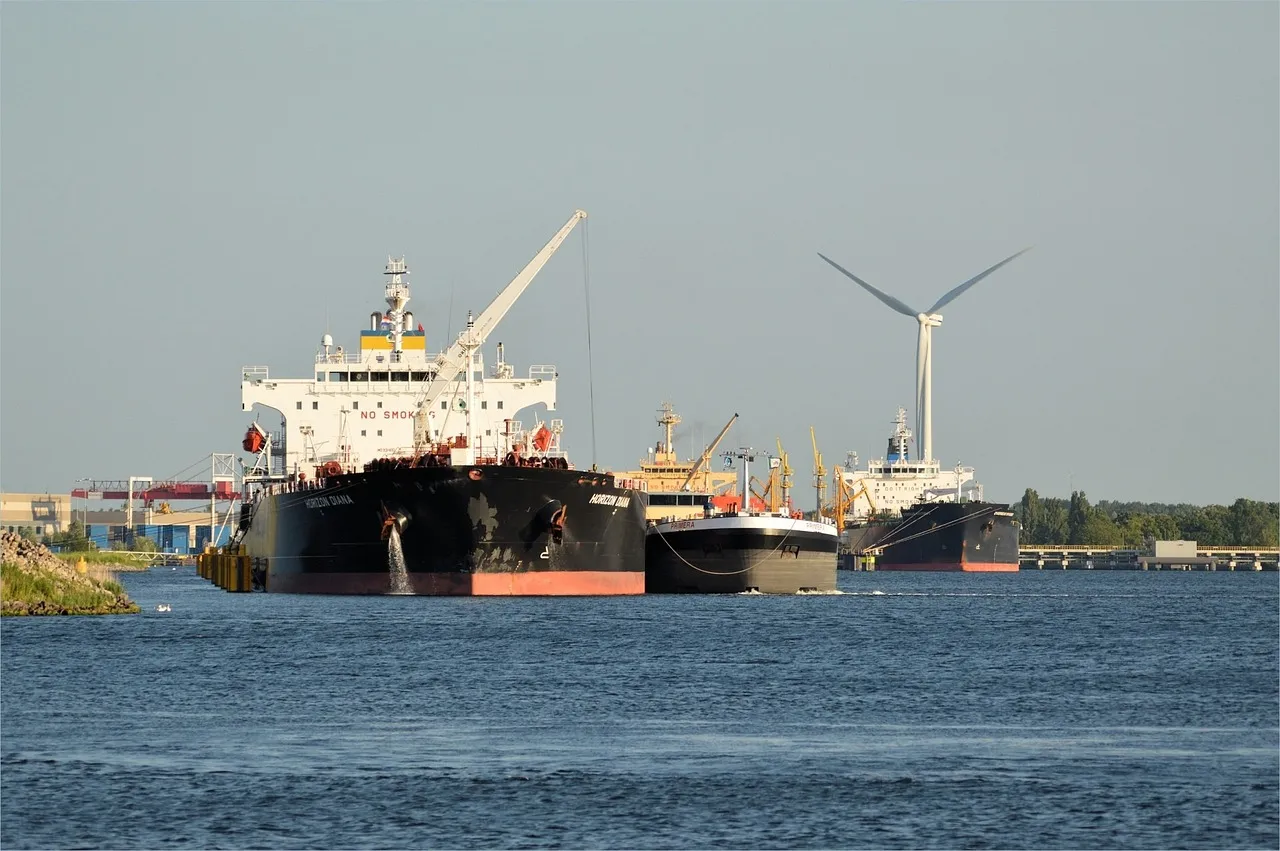
Re-export trade, simply put, is when goods are not traded directly between the place of production and the place of consumption but are transacted through a third place for transshipment. For instance, Country A produces a batch of specialty goods, and Country B is the market demand. However, direct trade between Country A and Country B might be inconvenient due to various reasons. At this point, Country C, with favorable trade conditions and logistical advantages, becomes the hub for re-export trade. Goods are first shipped to Country C, undergo simple processing or warehousing, and then are sent to Country B. Zhongmaoda has extensive experience in the field of re-export trade, helping numerous enterprises complete re-export trade processes through rational route planning and optimized warehousing management.
The existence of re-export trade makes trade channels more diversified. It not only helps circumvent trade barriers and reduce trade friction but also utilizes the preferential policies and geographical advantages of the re-exporting location, thereby lowering trade costs and enhancing enterprise economic benefits.
FDI: The "Injector" of Foreign Capital
FDI refers to direct investment made by foreign enterprises or individuals in domestic enterprises, encompassing various forms such as establishing new enterprises and acquiring existing ones. When foreign investors are optimistic about a country's market potential, resource advantages, or policy environment, they will inject capital, bringing advanced technology, management experience, and market channels. For example, a foreign high-tech enterprise establishing a research and development center in a country not only brings capital but also enhances local scientific research levels and innovation capabilities.
FDI holds significant importance for the economic development of host countries. It can promote industrial upgrading, increase employment opportunities, improve technological levels, and thus drive overall economic growth.
The Interplay Between Re-export Trade and FDI
The prosperity of re-export trade often attracts more FDI. On one hand, frequent re-export trade signifies that the location possesses superior geographical advantages, well-developed infrastructure, and efficient logistics systems, all of which are highly attractive to foreign investors. For instance, some internationally renowned free trade ports, leveraging their re-export trade advantages, have attracted a large number of foreign-invested enterprises. On the other hand, the substantial flow of capital and information generated by re-export trade also provides broad business opportunities for foreign enterprises, prompting them to invest directly there.
Conversely, FDI can also promote the further development of re-export trade. The entry of foreign-invested enterprises often brings more advanced trade concepts and operating models, enhancing the efficiency and competitiveness of re-export trade. Simultaneously, the production and operation activities of foreign-invested enterprises in the local area will generate more import and export demands, thereby driving the growth of re-export trade volume.
How to Seize Opportunities in Re-export Trade and FDI
For enterprises, it is crucial to fully leverage the opportunities brought by re-export trade and FDI. On one hand, in re-export trade, businesses should thoroughly research the trade policies and market demands of various regions and utilize professional platforms like Zhongmaoda to optimize trade processes and reduce costs. On the other hand, regarding FDI, enterprises should actively cooperate with foreign investors, learn from their advanced technologies and management experience, and enhance their own competitiveness.
In conclusion, re-export trade and FDI intertwine on the global economic stage, jointly performing a splendid economic chapter. We need to deeply understand their inherent connections, seize opportunities, and contribute to economic development.

Recent Comments (0) 0
Leave a Reply