In the world of import and export trade, agency customs clearance fees have always been a focal point for many merchants and businesses. Many people, when facing agency customs clearance services, will have a big question in their minds: what exactly are the agency customs clearance fees? Today, let us delve into this topic together and unveil the mysterious veil of agency customs clearance fees.
Basic Fees: The Essential Starting Price
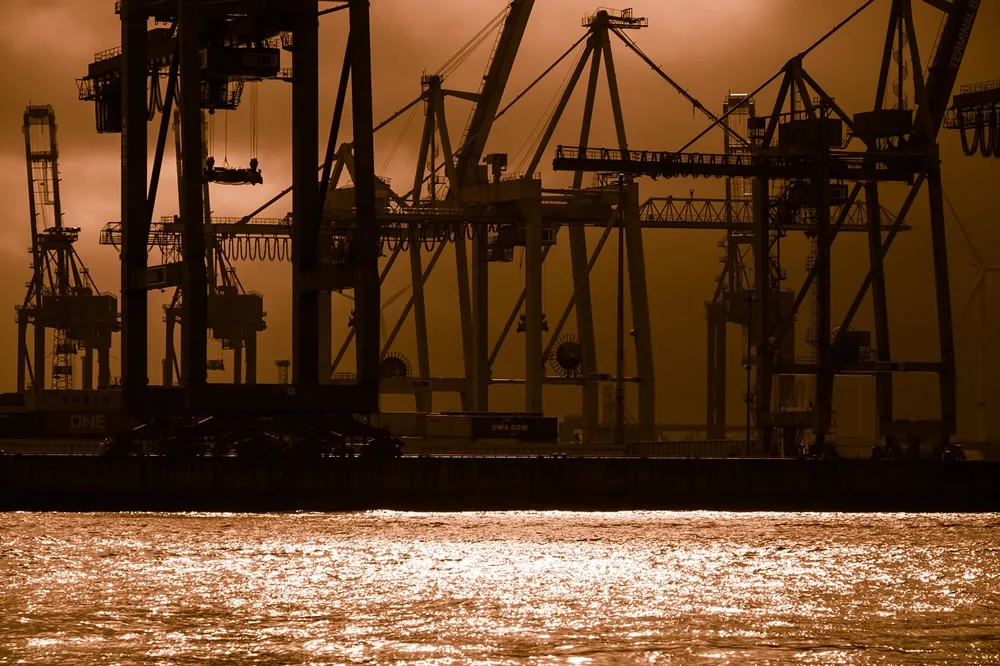
The basic part of agency customs clearance fees includes some expenses that are basically incurred in any situation. For example, customs declaration fees are charged by the customs brokerage firm to help enterprises declare cargo information to the customs. Generally speaking, the customs declaration fee for a single shipment ranges from a few hundred yuan, and the specific amount may vary depending on the region, the customs brokerage firm, and the complexity of the goods. There are also document fees, which are used to organize, review, and submit various documents required for customs clearance, such as commercial invoices, packing lists, bills of lading, etc. This fee is usually around a few hundred yuan.
Cargo-Related Fees: Varying by Cargo
The characteristics of the cargo itself have a significant impact on agency customs clearance fees. The first is the value of the cargo. The customs will levy taxes such as customs duties and value-added tax based on the value of the cargo. For instance, Mr. Zhou imported a batch of high-value electronic products. The customs duty rate is 10%, and the value-added tax rate is 13%. Therefore, these two taxes are calculated by multiplying the value of the cargo by the respective tax rates, which is a considerable expense.
The weight and volume of the cargo should not be overlooked either. For heavy or bulky cargo, overweight and oversized surcharges may apply. For example, Mr. Zhou imported large mechanical equipment. Due to its volume far exceeding that of ordinary goods, the freight forwarder or customs clearance company will charge an additional fee during transportation and customs clearance to compensate for the cost of occupying more resources.
Special Supervision Fees: Additional Expenses for Specific Situations
If the cargo falls into a special supervision category, special supervision fees will be incurred. For some goods that require inspection and quarantine, there will be inspection and quarantine fees. For example, imported food may need to undergo strict microbial testing, physicochemical indicator testing, etc. The testing fees depend on the testing items and the quantity of goods. Some goods may also involve endangered species permits, intellectual property filings, etc., and handling these procedures will also incur corresponding fees.
Value-Added Service Fees: Optional Choices
In addition to the regular fees mentioned above, some customs clearance companies also provide value-added services and charge fees. For example, customs duty and value-added tax payment service. If an enterprise wishes the customs clearance company to advance the taxes and fees to facilitate its own capital turnover, the customs clearance company will charge a service fee based on a certain proportion of the advanced amount and the advance period. There are also warehousing services. If the goods arrive at the port and the enterprise cannot pick them up in time for various reasons, and the customs clearance company provides warehousing space, warehousing fees will be charged on a daily or monthly basis.
How to Reasonably Control Agency Customs Clearance Fees?
Faced with such a complex composition of agency customs clearance fees, enterprises should be well-informed. First, when choosing a customs clearance agent, compare several of them and understand their fee standards and service content in detail. Second, prepare accurate and complete customs clearance documents in advance to avoid delays and additional fees caused by document issues. Third, plan the cargo transportation and customs clearance time reasonably to avoid unnecessary extra expenses such as warehousing.
There is no fixed standard answer for agency customs clearance fees; it is influenced by a combination of various factors. Only by thoroughly understanding the fee structure and considering their own actual situation can enterprises better control costs and make the path of import and export trade smoother. We hope everyone can find the most cost-effective solution in agency customs clearance services and achieve efficient trade development. Feel free to share your experiences and questions regarding agency customs clearance fees in the comment section for everyone to discuss and exchange ideas.

Recent Comments (0) 0
Leave a Reply