Amidst the tide of economic globalization, import and export trade has always been a crucial force driving global economic development. In recent years, the import and export trade market has undergone dramatic changes, with various factors intertwining to profoundly impact the market landscape. Today, let us delve into this vibrant yet challenging market.
Overview of the Global Trade Environment
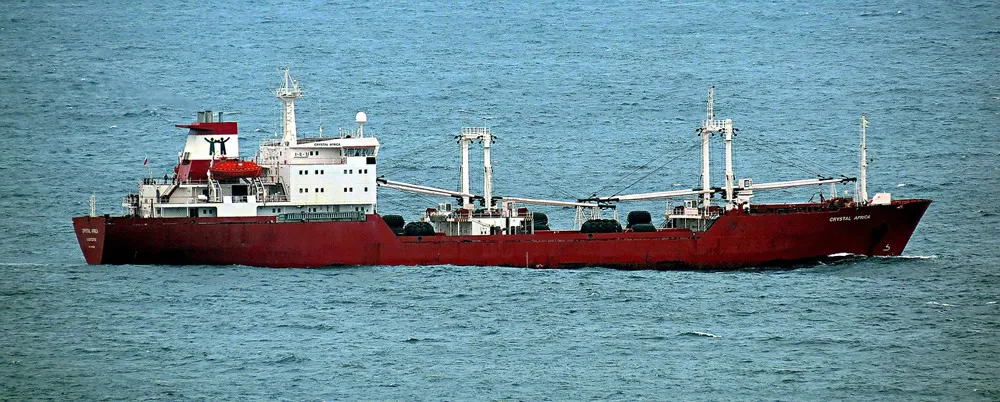
Currently, the global import and export trade market is at a complex juncture. In terms of market scale, despite being affected by short-term factors such as recurrent local epidemics and supply chain disruptions, the total global trade volume has maintained a certain level of resilience. According to relevant statistics, over the past few years, while global merchandise trade volume has fluctuated, it has generally remained at a high level, and services trade has also shown a trend of steady growth.
Analyzing the trade landscape, traditional trade powers, such as economies in Europe and America, still hold significant positions, demonstrating clear advantages in import and export trade for high-end manufacturing products and financial services. However, the rise of emerging economies cannot be underestimated. Represented by some Asian countries, they are gradually expanding their share in the global trade market, leveraging their complete manufacturing systems, abundant labor resources, and continuously improving technological innovation capabilities, thereby gradually breaking the balance of the original trade pattern.
Factors Influencing Import and Export Trade
First and foremost are policy factors. Countries, for purposes such as protecting domestic industries and balancing trade payments, will introduce a series of trade policies, including tariff adjustments, trade quotas, and subsidy policies. For instance, if certain countries raise import tariffs, this will undoubtedly increase the cost of imported goods, thereby affecting the volume of related imports; conversely, export subsidy policies can enhance the price competitiveness of domestic products in the international market, promoting exports.
The economic situation is also one of the key influencing factors. The pace of global economic growth directly determines the scale of market demand. During periods of economic prosperity, consumers' purchasing power in various countries increases, leading to higher demand for imported goods; whereas during economic downturns, demand will consequently shrink. Furthermore, exchange rate fluctuations, like an invisible hand, constantly impact import and export trade. When a domestic currency appreciates, imported goods become relatively cheaper, which is favorable for imports but weakens the price competitiveness of domestic export goods in the international market, thus being unfavorable for exports; conversely, currency depreciation favors exports and is unfavorable for imports.
Outlook on Future Development Trends
Digital transformation will become a core trend in the future development of import and export trade. With the rapid advancement of internet technology, cross-border e-commerce is playing an increasingly significant role in import and export trade. Through e-commerce platforms, businesses can directly reach global consumers, breaking down geographical restrictions and intermediate links in traditional trade, thereby reducing trade costs and improving trade efficiency.
Green trade will also become a new hot spot. Against the backdrop of increasing global environmental awareness, countries are imposing ever-higher environmental standards for imported goods. In the future, products that align with green and sustainable development concepts will be more competitive in the international market, which also prompts businesses to pay greater attention to environmental protection in their production processes and increase investment in green technology R&D.
The import and export trade market is full of opportunities and challenges. Businesses need to closely monitor changes in the global trade environment, flexibly adjust their operational strategies, and actively embrace development trends such as digitalization and green initiatives to stand out in this rapidly changing market. We hope more professionals will delve into market research, seize opportunities, and collectively promote the prosperous development of the import and export trade market.

Recent Comments (0) 0
Leave a Reply