In today's globalized world, import and export trade acts like a tightly woven net, connecting countries across the globe. Whether it's the cup of Brazilian coffee on your desk or the Japanese electronic product in your hand, both are closely related to import and export trade. So, what exactly is import and export trade? Let's unveil its mysteries together.
Definition of Import and Export Trade
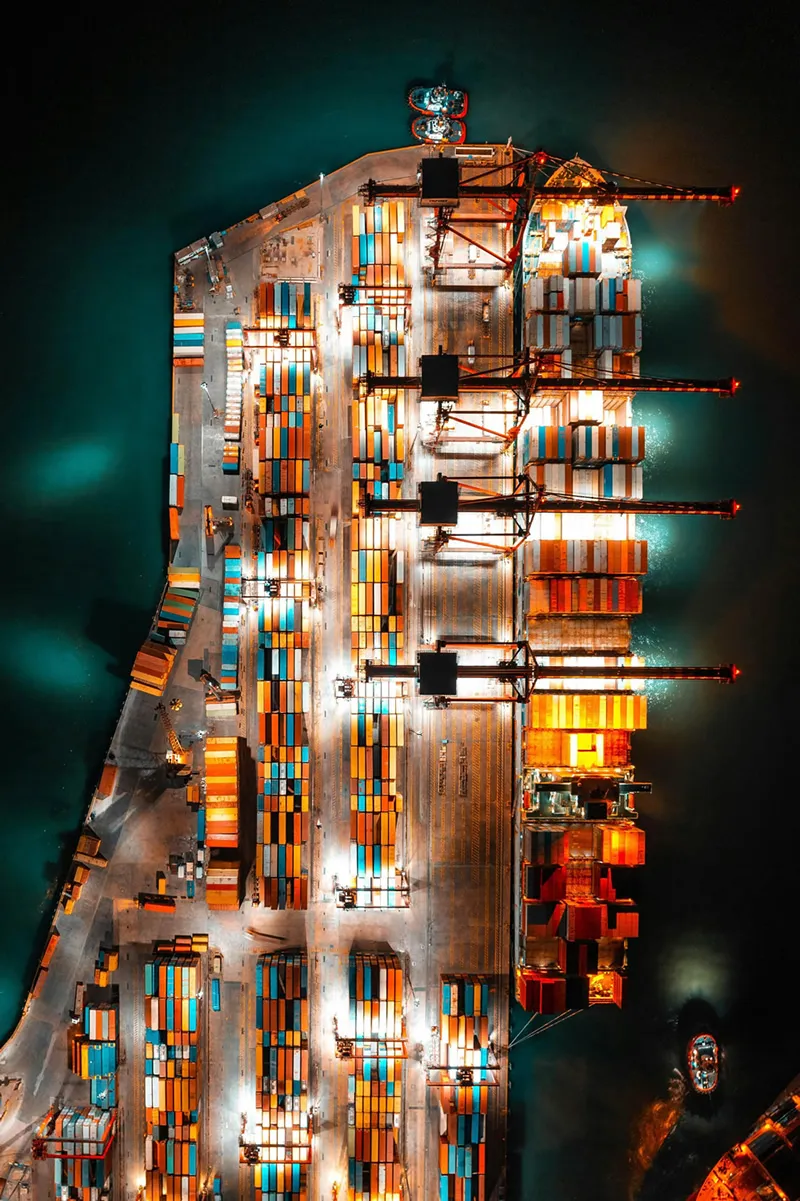
Simply put, import and export trade refers to the exchange of goods and services between one country (or region) and another. Export trade is the sale of goods produced or processed in one's own country to overseas markets; while import trade is the introduction of foreign goods into one's own country's market for sale. For instance, China's manufacturing sector is highly developed, with a large volume of clothing, toys, and other goods exported worldwide; this is export trade. At the same time, China also imports some advanced medical equipment, high-end chips, and other products from abroad, which is import trade.
Importance of Import and Export Trade
Import and export trade holds undeniable importance for both countries and enterprises. At the national level, it is a significant driver of economic growth. Through exports, countries can push surplus production capacity into the international market, increase foreign exchange reserves, and promote employment. Imports, on the other hand, can introduce resources, technologies, and goods that are scarce domestically, meeting the needs of domestic production and consumption, and enhancing the overall economic strength of the nation. For enterprises, import and export trade signifies broader markets and more opportunities. Companies can expand sales volume and enhance brand awareness through exports; and acquire advanced raw materials and technologies through imports to improve the competitiveness of their own products.
Process of Import and Export Trade
The process of import and export trade is quite complex, involving multiple stages. Taking exports as an example, first, the enterprise needs to find foreign customers and sign contracts; then arrange production and prepare goods; followed by inspection and quarantine of goods to ensure they meet the standards of the importing country; subsequently, customs declaration procedures are handled to declare relevant information about the exported goods to customs; then a freight forwarding company is entrusted to arrange transportation, shipping the goods overseas; finally, upon arrival at the port of destination, the importer handles customs clearance and pickup procedures. The import process is the reverse, but each step still requires careful attention. Any problem in any single step could lead to trade disruptions.
Challenges Faced by Import and Export Trade
Although import and export trade brings numerous opportunities, it also faces considerable challenges. Changes in international trade policies are a major difficulty. Adjustments in tariffs and the establishment of trade barriers by various countries all affect the import and export of goods. For example, some countries, in order to protect their domestic industries, will increase tariffs on imported goods, which increases costs for exporting enterprises. In addition, exchange rate fluctuations can also impact import and export trade. If a country's currency appreciates, the price of its exported goods in the international market will relatively increase, leading to a decline in competitiveness. Conversely, currency depreciation is beneficial for exports but increases import costs.
As an essential means of global economic exchange, import and export trade plays a crucial role in promoting world economic development. Both countries and enterprises need to gain a deep understanding of the rules, processes, and challenges of import and export trade, seize opportunities, and respond proactively to achieve success on this global stage. What other questions or insights do you have about import and export trade? Feel free to leave your comments in the discussion section.

Recent Comments (0) 0
Leave a Reply