When Mr. Qiu recently received a sea freight quotation, his fingers trembled slightly—for the same route, the freight cost was nearly 3 times higher than last year. "Where exactly is this money going?" he wondered, staring at the densely packed list of charges as if reading a cipher. If you're also struggling with export freight forwarder costs, today's in-depth analysis might offer some clarity.
The "Three Major Mountains" of Freight Cost Composition
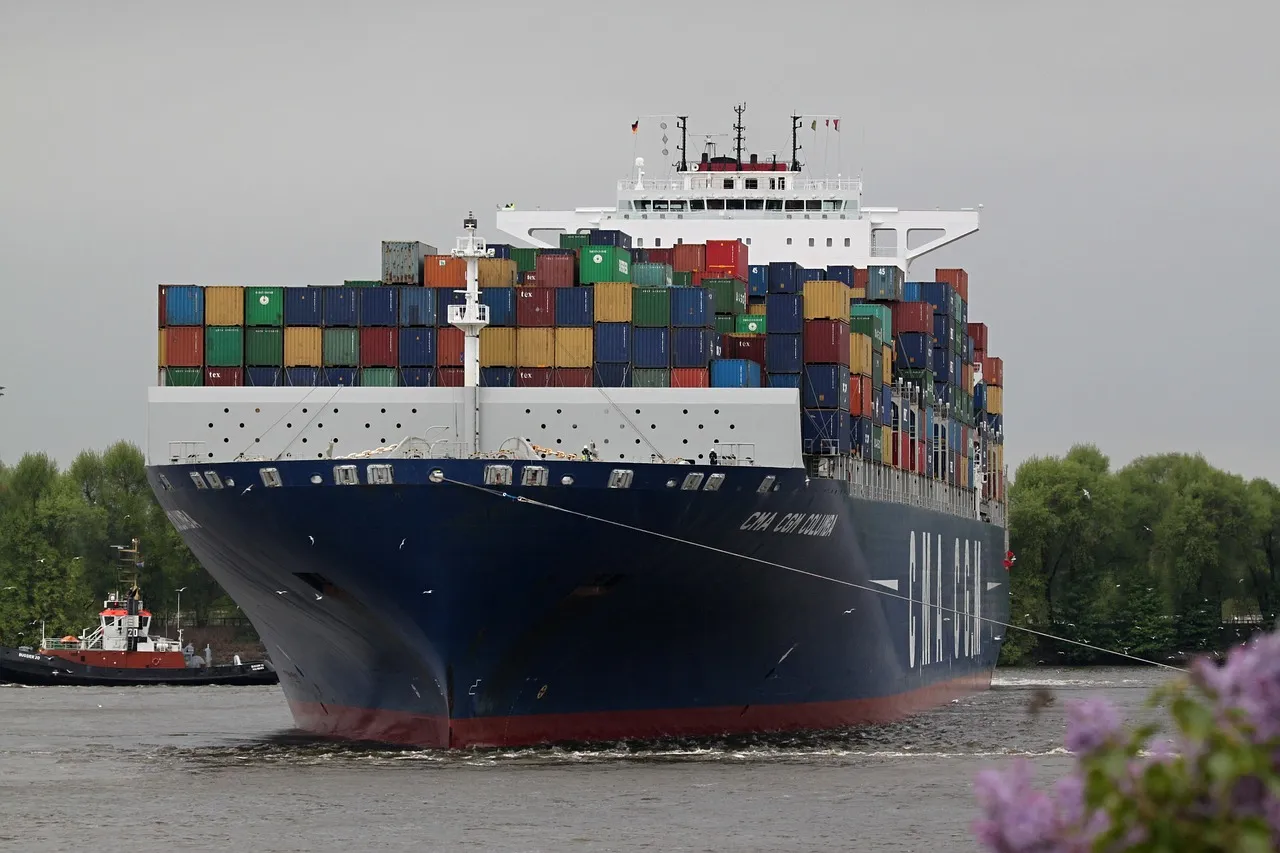
International freight forwarder costs are never a simple "base freight + profit"; they are more like a precisely assembled, multi-layered cake:
- Sea/Air Freight Basic Costs: Fluctuating greatly due to peak and off-peak seasons, for instance, container prices on Asia-Europe routes surged from $2000 to $8000 during the Red Sea crisis.
- Bunker Adjustment Factor (BAF): Accounts for about 15%-30% of freight costs, adjusted 23 times in total in 2023 due to international oil price fluctuations.
- Port Congestion Surcharge (PCS): In 2022, the average waiting time for unloading at the Port of Los Angeles reached 12 days, resulting in demurrage fees of up to $5000 per container.
The Easily Overlooked "Shadow Costs"
Mr. Qiu once overpaid 47% of her freight costs by overlooking these items:
- Container Imbalance Charge (CIC): Charged when empty containers are difficult to return on a certain route, common on Southeast Asian routes.
- Documentation Fee: Seemingly a small item of a few tens of dollars, but different agents' fee standards can vary by 5 times.
- AMS/ENS Declaration Fee: Mandatory electronic manifest submission fee for US/EU routes; failure to declare may result in a $5000 fine.
3 Cost-Saving Strategies Provided by Zhongmao Da Experts
By optimizing these links, some clients have successfully reduced freight expenditures by 20%:
- The Art of LCL Consolidation: When cargo volume is insufficient for a full container, LCL consolidation can save 35% compared to FCL.
- Demurrage Warning System: Digitally tracking free detention days to avoid incurring $150/day in container detention fees.
- Multimodal Transport Combination: The China-Europe freight train + overseas warehouse model shortens the average turnaround time by 18 days compared to pure sea freight.
Will Freight Costs Continue to Rise in the Future?
The International Shipping Association predicts a 9% increase in shipping capacity in 2024, but three major variables remain uncertain: new IMO2024 environmental regulations may lead to vessel slowdowns, persistent drought in the Panama Canal continues to affect navigation efficiency, and the surging demand for cross-border e-commerce small parcels. Export enterprises are advised to establish a freight cost fluctuation reserve and control transportation costs to a healthy range of 8%-12% of the cargo value.
What freight challenges have you encountered recently? Feel free to share your experiences in the comments section; solutions from other readers might offer unexpected insights. Click to follow for more in-depth content from freight forwarders. Next time, we will unveil 12 legal paths to tariff planning.

Recent Comments (0) 0
Leave a Reply