Imagine this: a batch of urgently needed electronic components departs from Ho Chi Minh Port in Vietnam, arrives at Qinzhou Port in 3 days, and then is directly transported by rail to Guilin Bonded Warehouse, saving 40% of the time compared to traditional transportation. This is the real value created by Guilin's sea-rail intermodal import agency. With the release of RCEP dividends, more and more enterprises are paying attention to this seamless connection model of "sea transport + railway". Today, we will analyze its operational secrets.
Why Choose Sea-Rail Intermodal? Analysis of Three Major Advantages
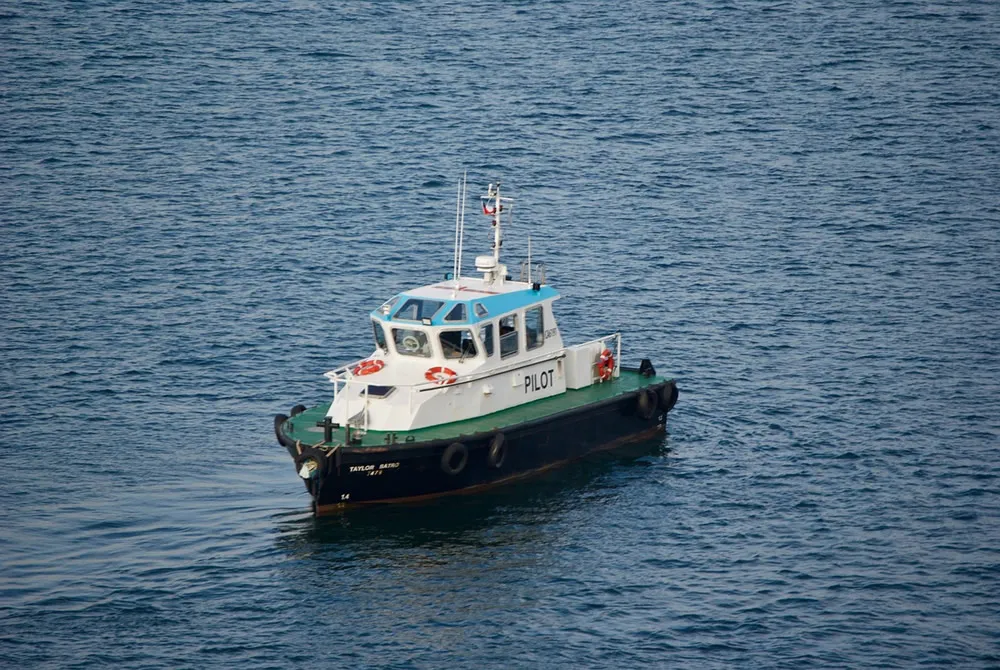
Taking a medical device import case served by Zhongmada as an example:
- Cost Savings: Compared to pure road transport, the freight cost of the sea-rail section is reduced by 35%, which is particularly suitable for bulk cargo.
- Stable Timeliness: Railway trains have fixed schedules, avoiding uncertainties such as road traffic jams.
- Green and Low-Carbon: Carbon emissions per unit of cargo are only 1/4 of that of trucks, which aligns with the ESG development trend.
Mr. Bi company imported rubber raw materials through this model last year, and the logistics costs decreased by 18% for the whole year. "The GPS tracking throughout the railway section made me feel particularly at ease," he commented.
Full Perspective of Operational Process: 5 Key Nodes
Zhongmada's standardized service process includes:
- Overseas Pick-up: Coordinating container loading, customs declaration, and sea freight booking at the port of origin.
- Port Transit: Unpacking and transshipment in the customs supervision area of ports such as Qinzhou/Fangchenggang.
- Railway Transportation: Applying for railway plans and coordinating the dispatch of container flatbed trucks.
- Destination Customs Clearance: Simultaneous customs declaration and quarantine handling in Guilin.
- Last-Mile Delivery: Distribution according to demand after unpacking in the bonded warehouse.
Mr. Bi food import project was once delayed due to quarantine certificate issues. The professional agency team, by pre-examining the documents in advance, ultimately ensured that the goods were delivered to the Guilin cold chain warehouse on time.
Pitfall Avoidance Guide: 3 Common Misconceptions for Newcomers
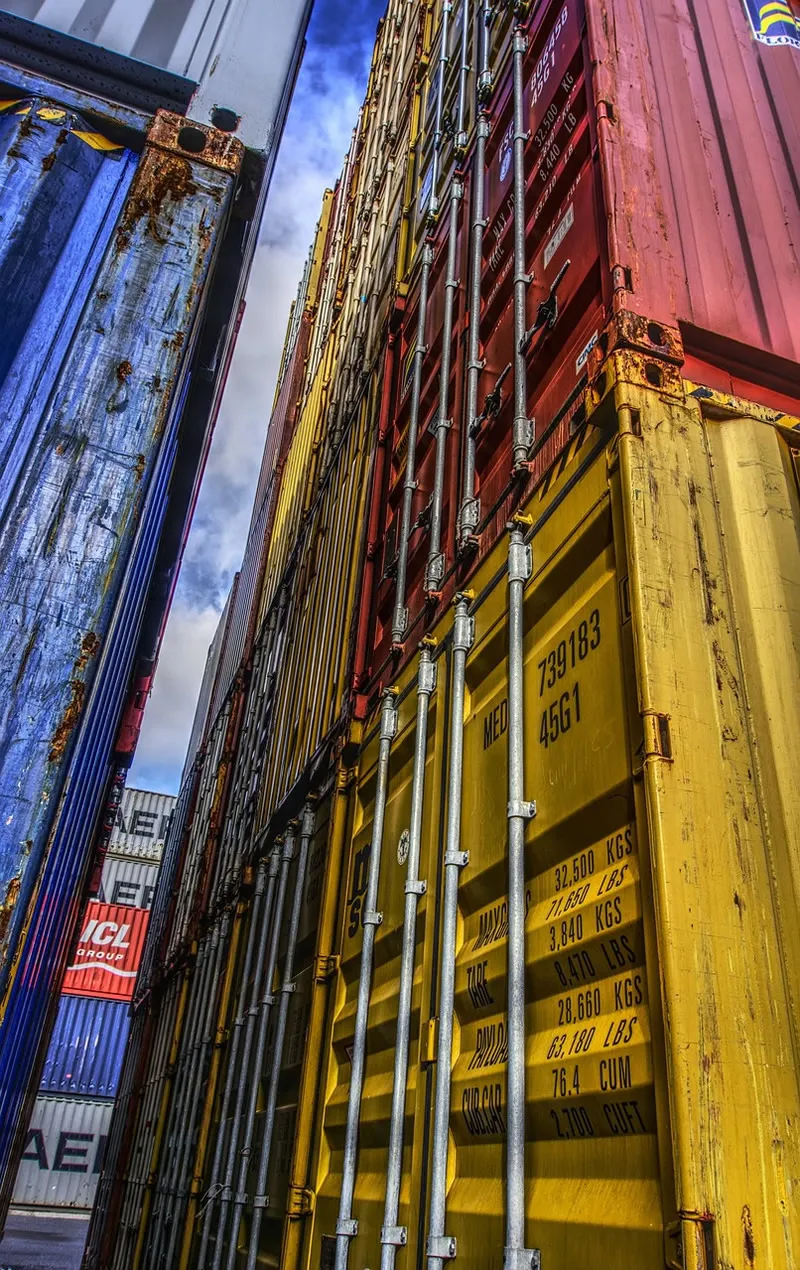
In practice, we have found that:
- Misconception 1: Ignoring railway weight limits, leading to repeated loading and unloading.
- Misconception 2: Not reserving sufficient time for port quarantine, affecting overall timeliness.
- Misconception 3: Underestimating the impact of the rainy season on the sea transport section.
It is recommended that enterprises communicate their transportation plans with their agents two weeks in advance, especially for clients trying sea-rail intermodal for the first time. The risk pre-assessment report provided by Zhongmada has helped over 20 enterprises avoid potential losses.
The Future is Here: Upgrade Opportunities for Regional Hubs
With the Guilin-Beibu Gulf train service increasing to 3 times a week, coupled with the construction of the New International Land-Sea Trade Corridor, local enterprises can consider:
- chuyển some Southeast Asian procurement orders to sea-rail intermodal.
- Establishing a regional distribution center in Guilin.
- Exploring new customs supervision models such as "fast rail customs clearance".
Have you calculated the hidden costs of your current import routes? Welcome to leave a comment and share your logistics pain points. We will select 3 readers to provide free supply chain diagnosis services. In the next issue, we will unveil the special operational regulations for lithium battery imports. Stay tuned!

Recent Comments (0) 0
Leave a Reply