On the vast stage of international trade, re-export trade is like a mysterious "behind-the-scenes player." Many people have heard of it but may not fully understand its meaning. Today, let us lift the veil of mystery surrounding re-export trade and see what it truly means.
Basic Concept of Re-export Trade
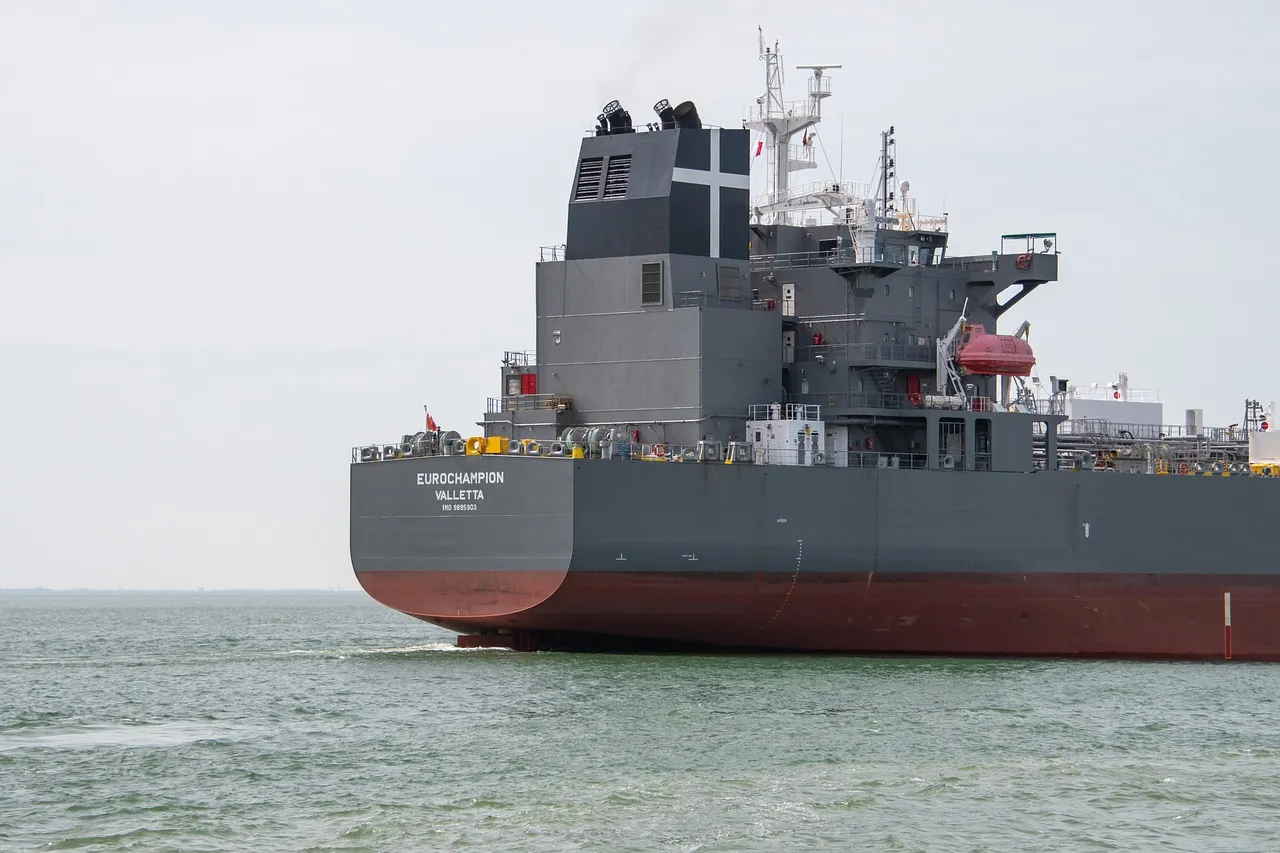
Re-export trade, also known as entrepôt trade. Simply put, it refers to trade activities where goods are not directly bought and sold between the place of production and the place of consumption, but are resold through a third place. For example, a factory in China produces a batch of high-quality electronic products, and the final destination of this batch of products is the United States. However, instead of being shipped directly from China to the United States, they are first exported to Hong Kong, and then traders in Hong Kong resell the goods to American customers, exporting from Hong Kong to the United States. Hong Kong plays the role of re-export trade in this process.
Re-export trade exists mainly because the third place has unique advantages in terms of geographical location, trade policies, and tax systems. Hong Kong, for instance, with its status as a free port, possesses lenient trade policies and low tariffs, making it a popular choice for many traders to conduct re-export trade.
Operational Process of Re-export Trade
Typically, the process of re-export trade involves multiple parties and several links. First, the goods manufacturer signs a sales contract with the re-export trader, selling the goods to the re-export trader. The manufacturer transports the goods to the re-export destination as required by the contract. Upon arrival at the re-export destination, the goods may be stored in a bonded warehouse, awaiting further instructions.
Meanwhile, the re-export trader signs another sales contract with the final buyer. When everything is in place, the re-export trader arranges for the shipment of goods from the re-export destination to the final buyer's location. In this process, the re-export trader needs to handle a series of matters such as cargo transportation, warehousing, and documentation to ensure the smooth progress of the trade process.
Advantages and Risks of Re-export Trade
From the perspective of advantages, for manufacturing enterprises, re-export trade can help avoid certain trade barriers. Assuming that some countries impose high tariffs on specific products, manufacturing enterprises can use re-export trade to leverage the relatively favorable trade policies of a third place, reduce the cost of products entering the target market, and thus enhance product competitiveness.
For the re-export destination, re-export trade can drive the development of local logistics, warehousing, finance, and other related industries, increasing employment opportunities and fiscal revenue. However, re-export trade is not without risks. On the one hand, goods may face transportation risks and warehousing risks during transit. For example, goods may be damaged at the transit port due to bad weather, or the goods may deteriorate due to improper warehousing conditions. On the other hand, changes in trade policies can also bring uncertainty to re-export trade. If the re-export destination suddenly adjusts its trade policies, increases tariffs, or sets new trade restrictions, it may affect trade costs and the smooth flow of goods.
Re-export trade, as a special form of international trade, plays a unique role in global economic exchange. Understanding the meaning, operational process, and the pros and cons of re-export trade is of great significance for enterprises expanding into international markets, as well as for individuals to gain a deeper understanding of the international trade landscape. It is hoped that in the wave of international trade, everyone can skillfully utilize the rules of re-export trade, seize opportunities, avoid risks, and create more value.

Recent Comments (0) 0
Leave a Reply