In the global trade arena, export agency companies play a crucial role. And value-added tax (VAT), as an important part of the tax system, is closely linked to the operations of export agency companies. Many practitioners and related enterprises have numerous questions and confusions regarding VAT for export agency companies. Today, we will delve into this topic.
Business Models of Export Agency and VAT Basics
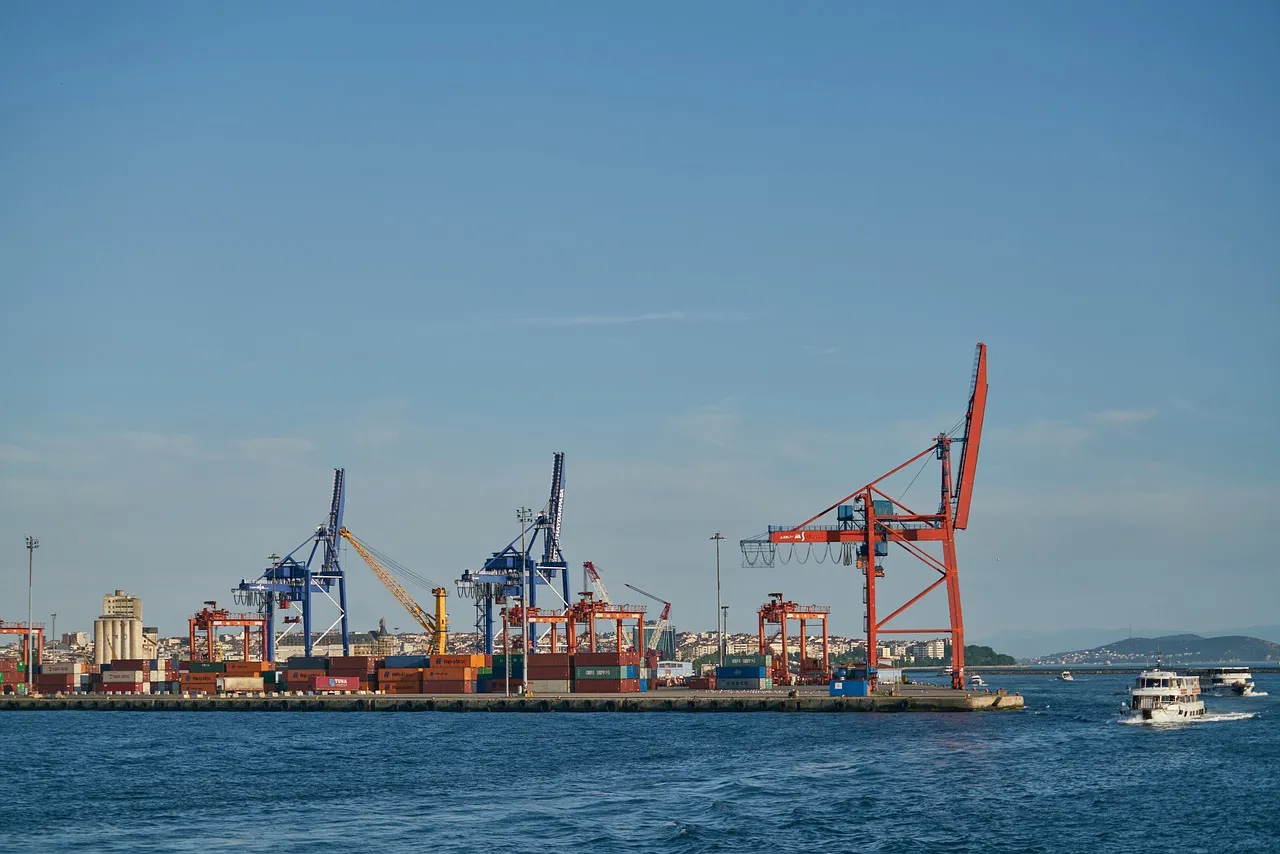
Export agency, in simple terms, refers to a trade method where an enterprise with import and export rights (the entrusted party) accepts the entrustment of an enterprise without import and export rights (the entrusting party) to act as its agent for exporting goods. From a VAT perspective, it involves a series of regulations and operational procedures. Generally, VAT is a turnover tax levied on the value added generated during the circulation of goods (including taxable labor services). For export agency companies, the VAT treatment has specific rules due to the business substance and related policies.
VAT Calculation Methods for Export Agency Companies
Export agency companies have mainly two scenarios for VAT calculation. One is that export agency companies generally implement a "tax exemption and refund" system for exported goods. This means that VAT on export sales is exempted, and the input VAT contained in the exported goods is refunded after calculation. For example, Zhongmeidazai acted as an agent to export a batch of goods. These goods were purchased domestically, and a VAT special invoice was obtained, indicating the input VAT. After export, provided that relevant regulations are met, this portion of input VAT can be refunded.
In another scenario, if an export agency company engages in processing imported materials for re-export, it implements a tax exemption policy, meaning VAT is exempted. However, the input VAT paid for domestic goods consumed in this process cannot be deducted and will not be refunded.
VAT Declaration Process for Export Agency Companies
When declaring VAT, export agency companies must follow a strict process. First, relevant documents such as customs declaration forms for exported goods, agency export agreements, and VAT special invoices must be accurately collected and organized. Mr. Xiong company is an export agency company, and he knows well that ensuring the authenticity and completeness of documents before declaration is crucial.
Next, declarations must be made within the stipulated time. Usually, within each VAT taxpayer declaration period from the month following the customs declaration date of exported goods to April 30th of the following year, all relevant vouchers should be collected, and the VAT exemption and refund declaration for exported goods should be handled with the competent tax authority. If the declaration is overdue, unless otherwise stipulated, the tax authority will no longer accept the exemption or refund declaration for the exported goods, and the exported goods will be subject to the exemption policy.
During the declaration process, relevant declaration forms must be filled out truthfully, ensuring that the data is accurate and error-free. If the declared data does not match the actual business, it may lead to tax risks, such as investigations and penalties by the tax authorities.
Tax Risks and Responses
Export agency companies also face some tax risks in the VAT handling process. For instance, poor document management may lead to missing or fraudulent documents, affecting tax refund applications; or, misunderstandings of tax policies may result in incorrect application of calculation methods. Mr. Xiong once encountered a situation where her company almost overpaid VAT due to an inaccurate interpretation of new tax policies.
To address these risks, export agency companies should strengthen internal management, establish a sound document management system, provide regular tax policy training for employees, promptly follow tax policy changes, and maintain good communication with tax authorities.
Conclusion: Emphasize VAT for Stable Development
VAT is an important aspect that export agency companies cannot ignore in their operations. Reasonable and accurate handling of VAT-related matters can not only avoid tax risks but also optimize the company's financial status and competitiveness. It is hoped that all export agency companies will thoroughly study VAT policies, standardize operational procedures, and advance steadily in the wave of international trade. We also welcome everyone to exchange and discuss issues related to VAT for export agency companies in the comment section.

Recent Comments (0) 0
Leave a Reply