In today's globalized world, import business is becoming increasingly frequent, and import customs declaration is a crucial part of it. It's like a checkpoint; only by preparing complete and accurate documents can goods pass through customs smoothly. So, what exactly is needed for import customs declaration? Today, we will explain it in detail. We believe that both novice beginners and experienced practitioners can gain something from this.
I. Basic Documents are the Foundation
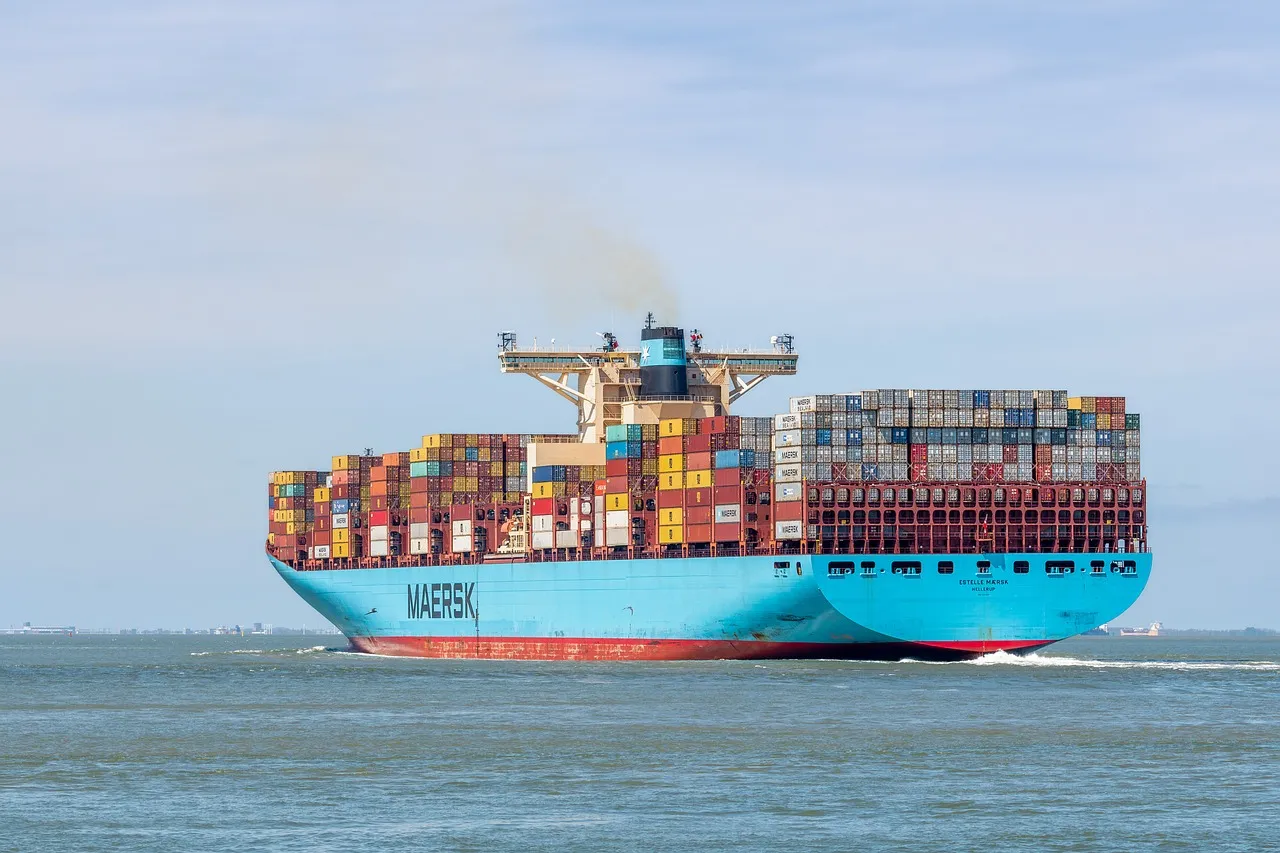
First and foremost, the customs declaration form is indispensable. This is the primary document for declaring import and export goods to customs, where various information about the goods must be filled in detail, such as the port of import/export, trade method, transportation method, goods name, specifications, quantity, weight, etc. Be sure to fill it in carefully and accurately, as any small error can lead to customs declaration delays.
There is also the commercial invoice, which is a sales voucher issued by the seller to the buyer, containing important information such as the goods' name, specifications, quantity, unit price, and total price. Customs will use it to verify the value of the goods. The packing list is also crucial, clearly listing the contents of each package, as well as the packaging method and number of packages, which helps customs accurately understand the actual packaging and quantity of the goods.
II. Special Documents Depend on the Situation
If the imported goods involve license management, then the corresponding licenses must be provided. For example, importing certain agricultural products may require an agricultural product import license, and importing some mechanical and electrical products may require a mechanical and electrical product import license, and so on. Different types of goods have different license requirements, so be sure to understand the relevant regulations for the goods you are importing in advance.
In addition, for some goods that enjoy specific preferential policies, such as goods under free trade agreements that enjoy tariff preferences, an certificate of origin is required. The certificate of origin proves the country of origin of the goods, and customs will use it to determine whether to grant corresponding tariff preferences or other policy treatments.
III. Transportation Documents Should Not Be Omitted
The bill of lading is an important part of transportation documents. In sea import, the bill of lading is a receipt for the goods issued by the carrier or its agent, a proof of the transportation contract, and a document for the consignee to pick up the goods at the destination port. Customs will obtain information about the transportation of the goods through the bill of lading. In addition to the bill of lading, if other transportation methods are used, such as air transport, then the corresponding air waybill and other transportation documents are also required, and they play equally important roles.
IV. Other Potentially Required Documents
Sometimes customs may also request other supplementary documents, such as certificates of product quality, inspection and quarantine certificates, etc. Especially for goods that involve high requirements for safety, health, and environmental protection, these certificates can prove that the goods meet the relevant standards. For example, imported food may require a food inspection and quarantine conformity certificate.
Therefore, before carrying out import customs declaration, be sure to communicate fully with professional personnel such as customs brokers or freight forwarders to clarify all the required documents and ensure the authenticity, accuracy, and completeness of the documents. Only in this way can the import customs declaration process be smoother, allowing goods to enter the domestic market quickly and smoothly, and contributing to our business development.
Dear readers, have you encountered any difficulties in document preparation during your import customs declaration process? Please feel free to leave your comments and share, perhaps we can explore better solutions together.

Recent Comments (0) 0
Leave a Reply