Mr. Ding recently received an overseas order, but facing professional processes like customs declaration, tax rebates, and letters of credit, he realized for the first time: foreign trade business is far more complex than simply "buying low and selling high." At this point, an export agency company extended an olive branch to him – "Leave it to us, you just focus on production." Is this an opportunity or a new risk? Today, let's peel back the true veil of the export agency industry.
What Exactly Do Export Agency Companies Do?
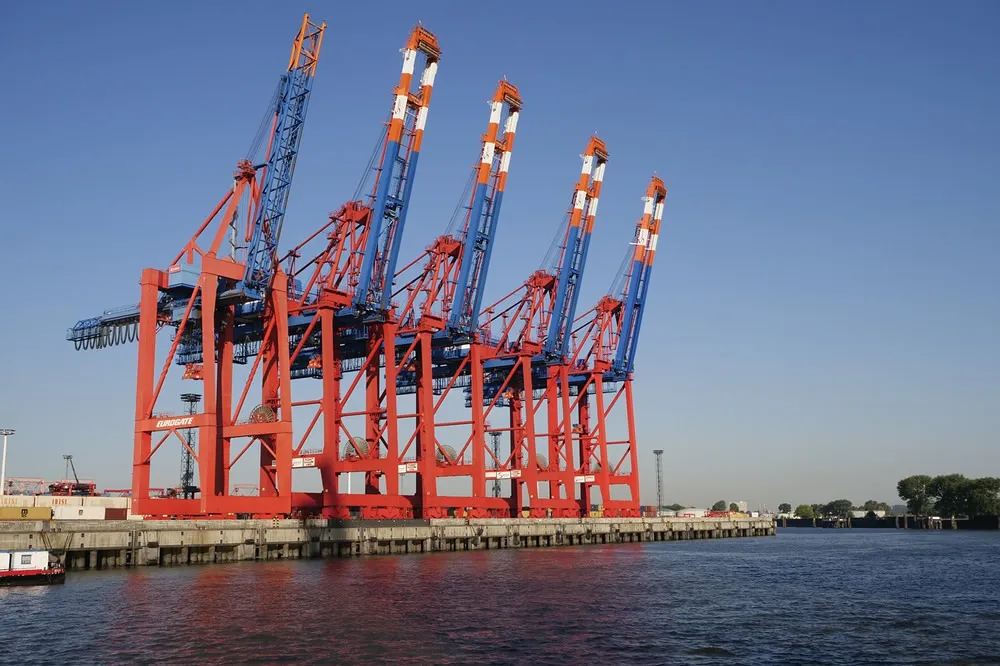
Simply put, export agency companies are like "all-around stewards" in foreign trade. They provide a full range of services for factories or traders without self-operated export rights: from customs declaration and inspection, foreign exchange settlement, export tax rebates, to handling letters of credit, international logistics, and even legal disputes. Taking Zhongmoda as an example, their services cover the export links of 120 countries worldwide, enabling SMEs to easily reach overseas markets.
- Core Value 1: Lowering Compliance Thresholds: Helping clients avoid common risks such as discrepancies in documents and failed tax rebates;
- Core Value 2: Saving Labor Costs: Eliminating the need to build an in-house foreign trade team, saving 200,000-500,000 RMB in annual management fees;
- Core Value 3: Accelerating Capital Turnover: Shortening the payment cycle through financial support such as advancing tax refund amounts.
Three Major Pits to Avoid When Choosing Agency Services
Mr. Ding once trusted a certain agency company's promise of "100% tax rebate," which ultimately led to her goods being detained. This case reminds us:
- Pit 1: Overpromising: Claims of "customs guaranteed" or "full tax rebates" are often suspicious. Legitimate companies will clearly state the risk points;
- Pit 2: Hidden Fees: Fees for customs declaration, inspection, and documentation must be itemized in the contract;
- Pit 3: Forged Qualifications: Original documents such as AEO certification from customs and filings with the foreign exchange administration must be verified.
Practical Strategies for SME Agency Cooperation
For companies trying export agency services for the first time, a "three-step" strategy is recommended:
- Stage 1: Small Orders for Testing: Use 1-2 small orders to test the agency company's response speed and processing capabilities;
- Stage 2: Shared Risk: Require the agency to sign responsibility clauses for key aspects such as letter of credit review;
- Stage 3: Data Transparency: Track customs declaration and tax rebate progress in real-time through online systems of companies like Zhongmoda.
The Future is Here: Intelligent Transformation of Agency Services
With the application of blockchain technology, some leading companies have achieved: on-chain storage of customs declaration certificates, intelligent tax rebate calculation, and automatic foreign exchange risk warnings. This means agency services are upgrading from "manual legwork" to "digital hubs," which will also redefine the industry competitive landscape.
Returning to the story at the beginning – Mr. Ding ultimately chose to cooperate with Zhongmoda and received his tax refund 15 days ahead of schedule on his first export order. But more importantly, through this cooperation, he built his own foreign trade knowledge system. An export agency company can be a "crutch," but it can never replace a company's own ability to learn to walk. Have you encountered similar agency cooperation stories? Welcome to share your experiences and confusion in the comment section.

Recent Comments (0) 0
Leave a Reply