"Mr. Jia recently purchased a batch of mechanical equipment from overseas. He thought everything would be fine once the goods arrived, but he was shocked by the agency fee list – customs declaration fees, warehousing fees, and transportation fees were piled up, and the total cost was 15% higher than expected." Such stories are not uncommon in Chongqing's foreign trade circles. As the only municipality directly under the Central Government in the west, Chongqing imports a large amount of mechanical and electrical equipment, consumer goods, and raw materials annually through rail, air, and water transport. However, many business owners still have a vague understanding of the composition and optimization space of import agency fees.
Dissecting the "Three-Layer Structure" of Import Agency Fees
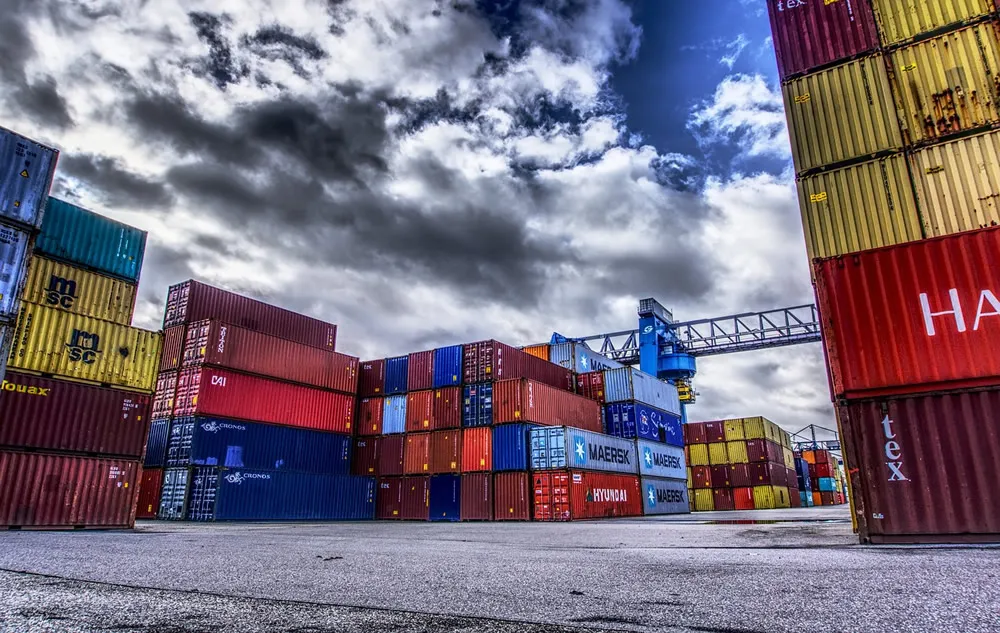
At the port of Chongqing, general cargo import agency fees usually include three core components:
- Basic Operational Fees: Fixed expenses such as customs declaration and inspection (approximately 800-1500 yuan/ticket) and document processing (200-500 yuan).
- Logistics-Related Fees: Variable costs like port storage fees (20-40 yuan/ton/day) and container truck fees (800-1200 yuan/container).
- Hidden Costs: Risk expenses such as amendment fees due to declaration errors (300-800 yuan/instance) and customs inspection demurrage fees (2000 yuan+/day).
Zhongmaoda Experts Reveal Cost Reduction Strategies
Mr. Jia, who has been engaged in import agency for over ten years, revealed that enterprises can optimize costs through three dimensions:
- Declaration Accuracy: Incorrect HS code reporting can lead to 5%-30% additional tariffs, and professional pre-classification can reduce the inspection rate.
- Logistics Timing: Avoiding arrival at the end of the month can reduce storage fees, and choosing night flights for air cargo can save 30% on airport operational fees.
- Service Packaging: Choosing a full-chain service provider can save an average of 18% on costs compared to fragmented procurement.
Balancing "Saving Money" with "Compliance"
An auto parts importer once experienced a cargo delay of 27 days at the port due to choosing an ultra-low-priced agency, resulting in losses three times higher than using a regular service. Chongqing Customs data shows that the average customs clearance time for imported goods in 2023 has been compressed to 28 hours, but enterprises that choose non-compliant agencies still face an average delay of 5 working days. It is recommended that enterprises pay attention to the agency's:
- AEO certification qualifications (over 50% improvement in customs clearance efficiency).
- Historical inspection rate (below 5% is optimal).
- Emergency response speed (handling abnormalities within 2 hours is ideal).
How Much More Room is There to Compress Your Import Costs?
Next time you receive an agency quotation, ask yourself three questions: Does the transportation route leverage Chongqing's multimodal transport advantages of "water, rail, and air"? Are the duties and taxes calculated utilizing the policies of the Free Trade Pilot Zone to the fullest? Does the service agreement include a contingency plan for unforeseen circumstances? Welcome to share your import cost optimization experiences in the comment section, or send a private message to get the latest rate comparison table for the Chongqing port.

Recent Comments (0) 0
Leave a Reply