"Mr. Quan earned 3 million yuan from exports last year but lost 2 million yuan due to choosing the wrong model!" This is not an alarmist statement but a real scenario that unfolds daily in the foreign trade circle. Today, we will unveil the ultimate differences between self-operated export and agent export to see which "overseas expansion posture" is more suitable for your enterprise.
I. Essential Difference: Who's in Control of the Steering Wheel?
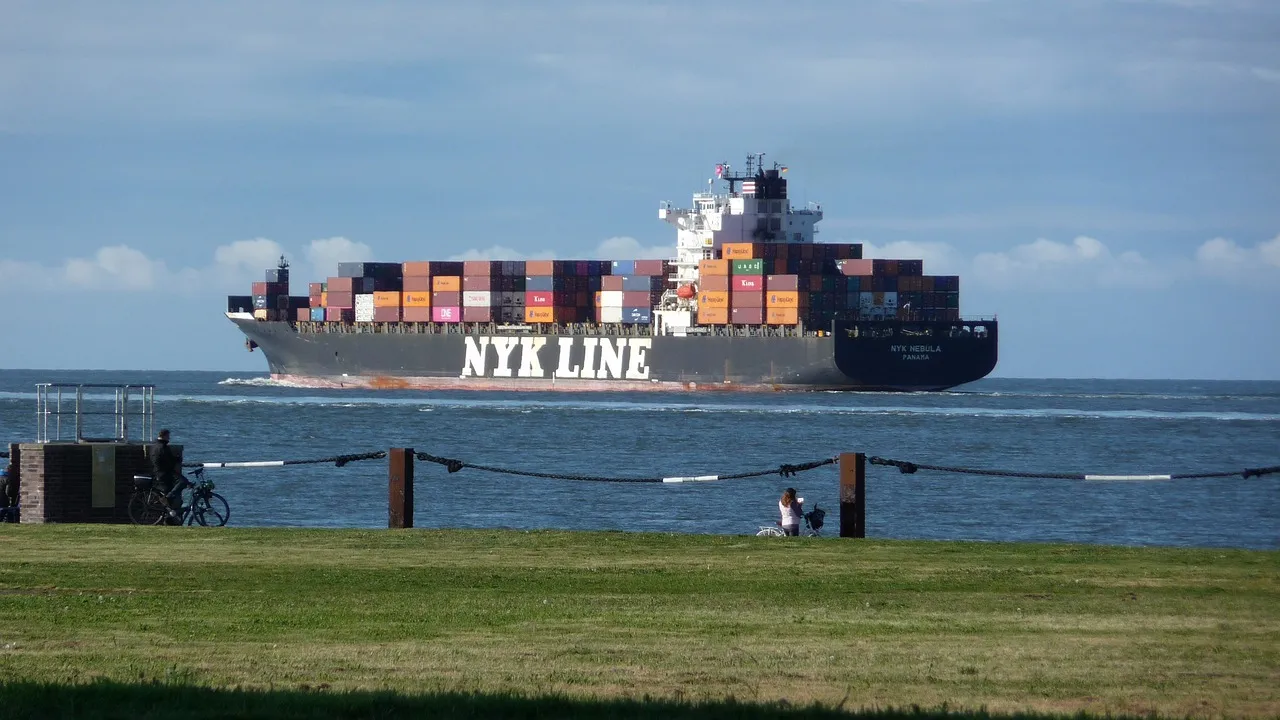
Self-operated export is like a road trip: the enterprise handles customs declaration, foreign exchange collection, and tax rebates throughout the entire process. It's like an experienced driver holding the steering wheel, having absolute control over every step.
Agent export is like a chartered tour: entrusting a professional company to handle export procedures, the enterprise only needs to focus on production and supply, equivalent to handing over the steering wheel to a "designated driver."
- Control Comparison: 100% autonomy in self-operated export vs. partial delegation of authority in agent export
- Risk Bearing: Full risk borne by self-operated export vs. partial risk transfer in agent export
II. Cost Ledger: Unveiling Hidden Expenses
Mr. Quan garment factory once calculated the costs:
- Self-operated export costs: 600,000 yuan annual salary for a 5-person foreign trade team + 80,000 yuan interest on advances for export tax rebates + 20,000 yuan annual fee for documentation software
- Agent export costs: 1.5% agency fee (75,000 yuan for a 5 million yuan order) + 3% loss in tax rebate difference
On the surface, agency seems cheaper, but when export volume exceeds 20 million yuan, the cost advantage of the self-operated model begins to show. This is why large enterprises ultimately choose to build their own export systems.
III. Capability Requirements: Is Your Enterprise "Hardcore" Enough?

Choosing self-operated export requires three powerful assets:
- Familiarity with international trade terms (INCOTERMS 2020 must be thoroughly understood)
- Possession of import and export rights + foreign exchange accounts + electronic customs clearance
- A professional finance team knowledgeable in customs declaration and tax rebates
Agent export is more suitable for:
- Startup small and medium-sized enterprises
- Industries with a 0% product tax rebate rate
- Industrial and trade enterprises that occasionally engage in exports
IV. Risk Red and Black Lists: Avoid These Pitfalls
A certain machinery factory was implicated due to an agent company issuing false invoices, resulting in the full deduction of tax rebates and being blacklisted by customs. Self-operated export enterprises, on the other hand, need to be vigilant about:
- Tax rebate failure due to mismatched documents
- Fines for overdue foreign exchange verification
- Customs investigations triggered by customs declaration errors
V. The Ultimate Decision Tree: Find Your True Path in 3 Steps
Finally, here is a decision flowchart for you:
- STEP 1: Calculated annual export expectation
- STEP 2: Have a professional foreign trade team? → Consider Self-Operated
- STEP 3: Product tax rebate rate > 9%? → Self-operated yields greater returns
Which stage is your enterprise currently in? Feel free to share your "overseas expansion" story in the comments section. If this practical guide has saved you 100,000 yuan in tuition fees, consider sharing it with more partners who are navigating the fog of foreign trade.

Recent Comments (0) 0
Leave a Reply