In today's globalized commercial wave, many enterprises dream of venturing into overseas markets and making their mark on the international stage. However, to achieve this goal, obtaining import and export rights is a crucial step! Today, let's delve into how enterprises can handle import and export rights, making your global expansion journey smoother.
I. What are Import and Export Rights?
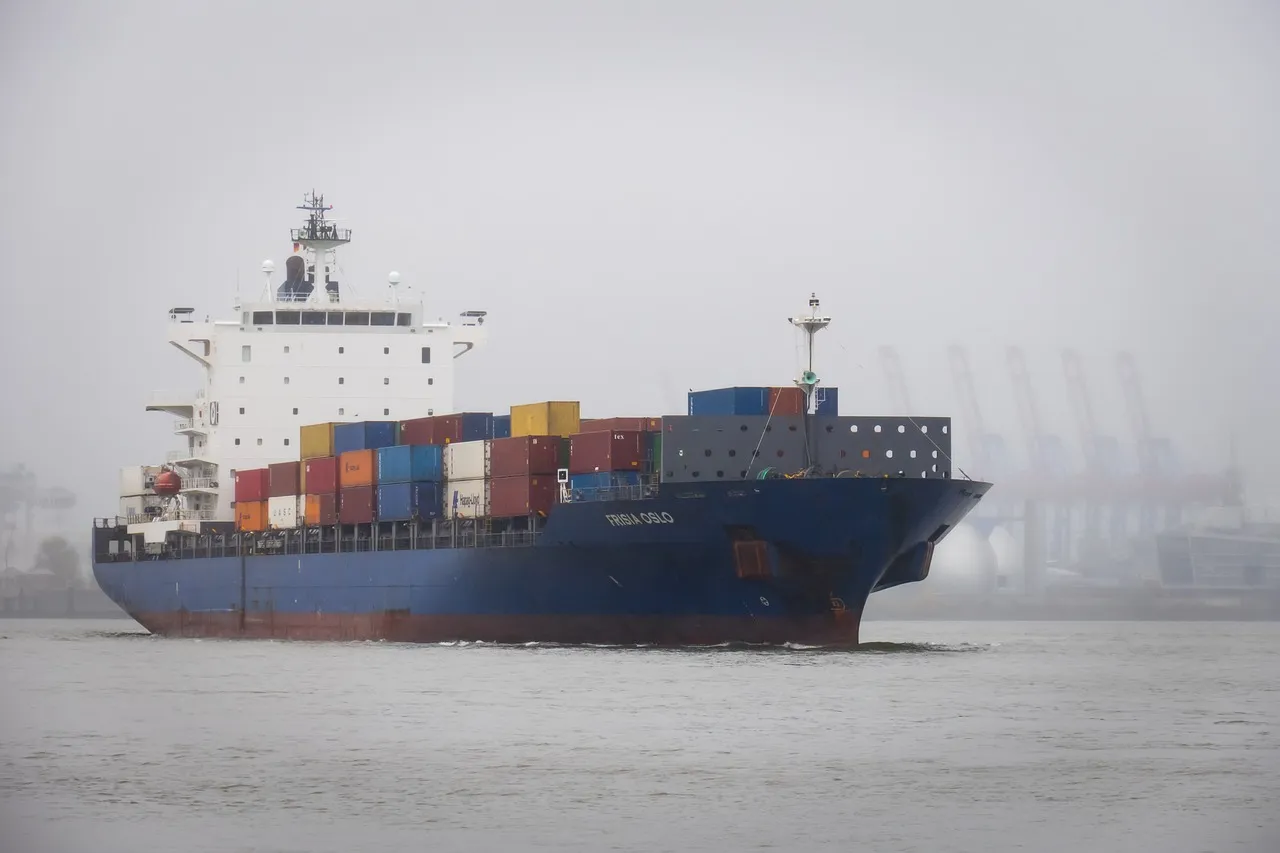
Import and export rights, in simple terms, refer to the qualification that allows an enterprise to independently conduct import and export businesses. With import and export rights, enterprises can directly sign contracts with foreign clients and engage in import and export trade of goods, without needing to go through foreign trade agencies. This not only grants enterprises greater autonomy and flexibility in trade interactions but also saves considerable agency fees.
II. Eligibility Criteria for Handling Import and Export Rights
- Firstly, the enterprise must be legally established and possess independent legal person status. Common forms include limited liability companies and joint-stock companies.
- Secondly, the enterprise must have a clearly defined business scope that includes "import and export of goods and technology" or similar wording. If this is not currently in the business scope, the enterprise must first apply for a change in its business scope.
- Furthermore, the enterprise must have appropriate business premises, personnel, and basic foreign trade operational capabilities. After all, conducting import and export business is not a simple matter; it requires suitable office space and professional personnel to manage the relevant business processes.
III. Specific Procedures for Handling Import and Export Rights
1. Filing and Registration with the Commerce Department: Enterprises must first go to the local commerce authority for foreign trade operator filing and registration. This step requires submitting a series of documents, such as a copy of the business license, a copy of the legal representative's ID card, and a copy of the company's articles of association. Upon approval, the commerce department will issue a Foreign Trade Operator Filing Registration Form, which is a vital credential for obtaining import and export rights.
2. Filing and Registration with Customs: After obtaining the Foreign Trade Operator Filing Registration Form, the next step is to proceed with customs filing and registration. At customs, various documents will also need to be submitted, including the aforementioned filing registration form, the original and copy of the business license, and a customs declaration stamp. Upon approval, customs will issue a Customs Import and Export Goods Consignor/Consignee Registration Receipt to the enterprise.
3. Application for Electronic Port Card: With the registration receipts from the previous two steps, enterprises can then apply for an Electronic Port Card. The Electronic Port Card is an essential tool for enterprises to conduct online declarations, pay taxes, and perform other operations when engaged in import and export business. During the application process, you need to fill out the application form according to requirements, submit relevant documents, and then wait for approval and collection of the card.
4. Filing with the State Administration of Foreign Exchange: The final step is to register with the local State Administration of Foreign Exchange. This is primarily to enable the enterprise to legally conduct foreign exchange receipts and payments and other related business operations. After the filing is completed, the enterprise has essentially finished the import and export rights handling process and can officially commence import and export business.
IV. Precautions for Handling Import and Export Rights
- Ensure all materials are complete and accurate. Any minor oversight can lead to delays in the handling process and extend the processing time. Therefore, carefully review the requirements of the commerce department, customs, State Administration of Foreign Exchange, and other relevant authorities before preparing the materials.
- Keep track of the timeframes for each processing stage. Some procedures may have specified deadlines; failure to comply may require restarting the entire process, which can be troublesome.
- During the handling process, if you encounter any problems or have any unclear points, do not hesitate to communicate and consult with the staff of the relevant departments. They will provide you with professional guidance and assistance.
V. Numerous Benefits of Obtaining Import and Export Rights
By obtaining import and export rights, enterprises can directly connect with foreign clients, expand into broader international markets, increase business opportunities, and enhance their reputation and competitiveness. Furthermore, they can enjoy relevant policy benefits, such as tax rebates, which are tangible advantages that can save enterprises considerable costs and generate more profits.
In conclusion, for enterprises aiming to make their mark in the international market, obtaining import and export rights is a key step towards success. We hope that through today's introduction, you have gained a clear understanding of how enterprises can handle import and export rights. Take action now and let your enterprise embark on a new journey of globalization!

Recent Comments (0) 0
Leave a Reply