Have you ever been confused by the terms "agent" and "export product" while shopping? Mr. Deng recently encountered such a dilemma: when selecting an electronic product, he noticed that the same product was available through an agent and as a direct export, with a significant price difference. This led him to wonder: What are the actual differences between agent and export products? Today, we will delve deep into this topic.
Concept Analysis: What is an Agent? What are Export Products?
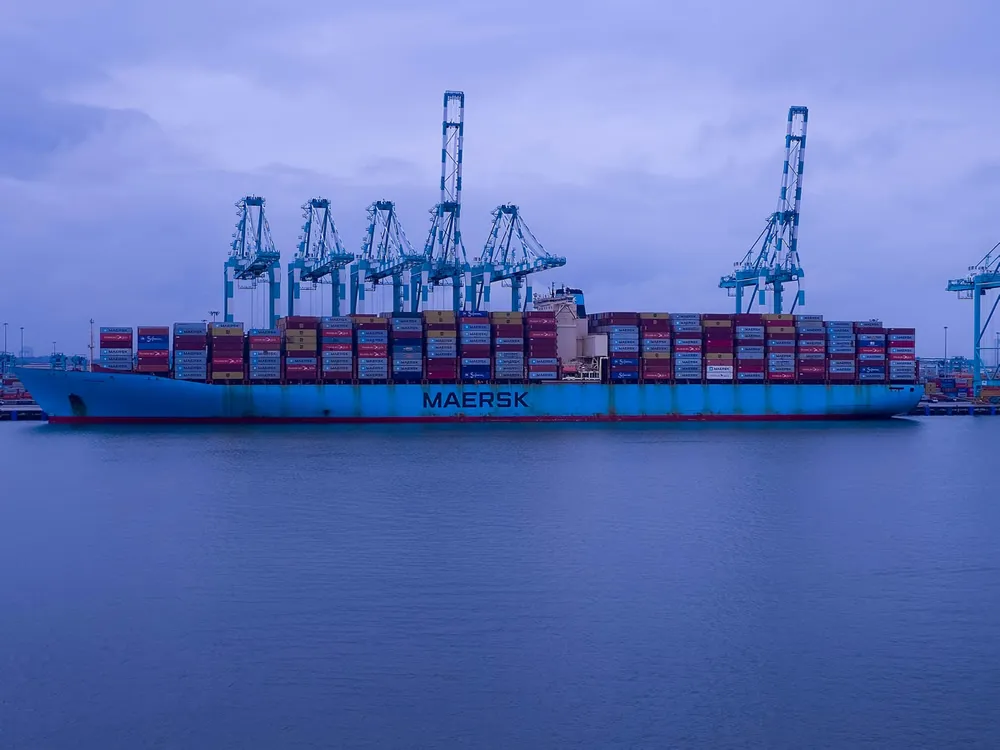
First, we need to clarify two basic concepts:
- Agent Products: These are products authorized by a brand to specific companies (agents) for sale within a certain region. Agents are responsible for the entire process of sales, after-sales service, etc., in that region.
- Export Products: These are products that manufacturing companies sell directly to overseas markets, usually without going through intermediate agents.
Five Core Differences
After understanding the basic concepts, let's look at the specific differences between the two:
1. Different Sales Channels
Agent products are sold through authorized agents, forming a "Brand - Agent - Consumer" chain; whereas export products follow a direct "Brand - Consumer" sales model. Mr. Deng once compared the purchase of the same cosmetic through both channels and found that the export version was cheaper but had less convenient after-sales support.
2. Pricing Structure Differences
Due to agent fees, regional operating costs, etc., agent products are usually priced higher; export products, by reducing intermediate links, often have more competitive prices. However, it's important to note that a lower price doesn't necessarily mean lower quality; many export products are manufactured on the same production lines as domestic sales products.
3. After-Sales Service Comparison

Agent products typically offer localized and comprehensive after-sales service; export products may require international warranty or return for repair, which can take a longer time. This is also why many consumers are willing to pay more for agent products.
4. Product Standard Differences
Different markets have different product standard requirements:
- Agent products will fully comply with the regulatory standards of the target market.
- Export products need to meet the standards of the importing country.
- Some functions or configurations may differ depending on the market.
5. Purchase Experience Differences
Agent products are convenient to purchase and come with professional sales consultation services; export products may require cross-border purchases, presenting language and payment barriers. However, with the development of cross-border e-commerce, this gap is narrowing.
How to Choose? Practical Advice for Consumers
Faced with two channels, how should consumers choose? We recommend considering the following factors:
- Level of importance placed on after-sales service.
- Price sensitivity.
- Product usage scenarios.
- Convenience of purchase.
For example, Mr. Deng ultimately chose the agent version because he valued local after-sales service more; while Mr. Deng, who seeks cost-effectiveness, opted for export products.
Industry Observation: Future Development Trends of Both Models
With deepening globalization and the development of e-commerce, the lines between agency and export are blurring. Analysis from Zhongshi Tong shows that more and more brands are adopting a "hybrid model," retaining regional agents while also engaging in direct export business. This shift means more choices and more transparent pricing for consumers.
What is Your Choice?
After understanding the differences between agent and export products, how will you choose? Will you prioritize agent products with their emphasis on after-sales service, or export products with their higher cost-effectiveness? Feel free to share your opinions and experiences in the comment section. Perhaps your experience can help other consumers who are struggling to make a choice that best suits them.

Recent Comments (0) 0
Leave a Reply