"A batch of goods was stuck at customs last month, resulting in a six-figure loss!" Mr. Jian frowned as he stared at the port congestion notice. Such scenarios unfold daily – according to industry statistics, nearly 40% of import and export enterprises have experienced port congestion, fines, or even returns due to customs declaration issues. As the gears of international trade spin rapidly, how exactly do customs declaration agents become the "customs clearance code" for businesses in cross-border trade? Today, we unveil this low-key yet crucial role.
The Professional Battlefield Behind a Single Customs Declaration Form
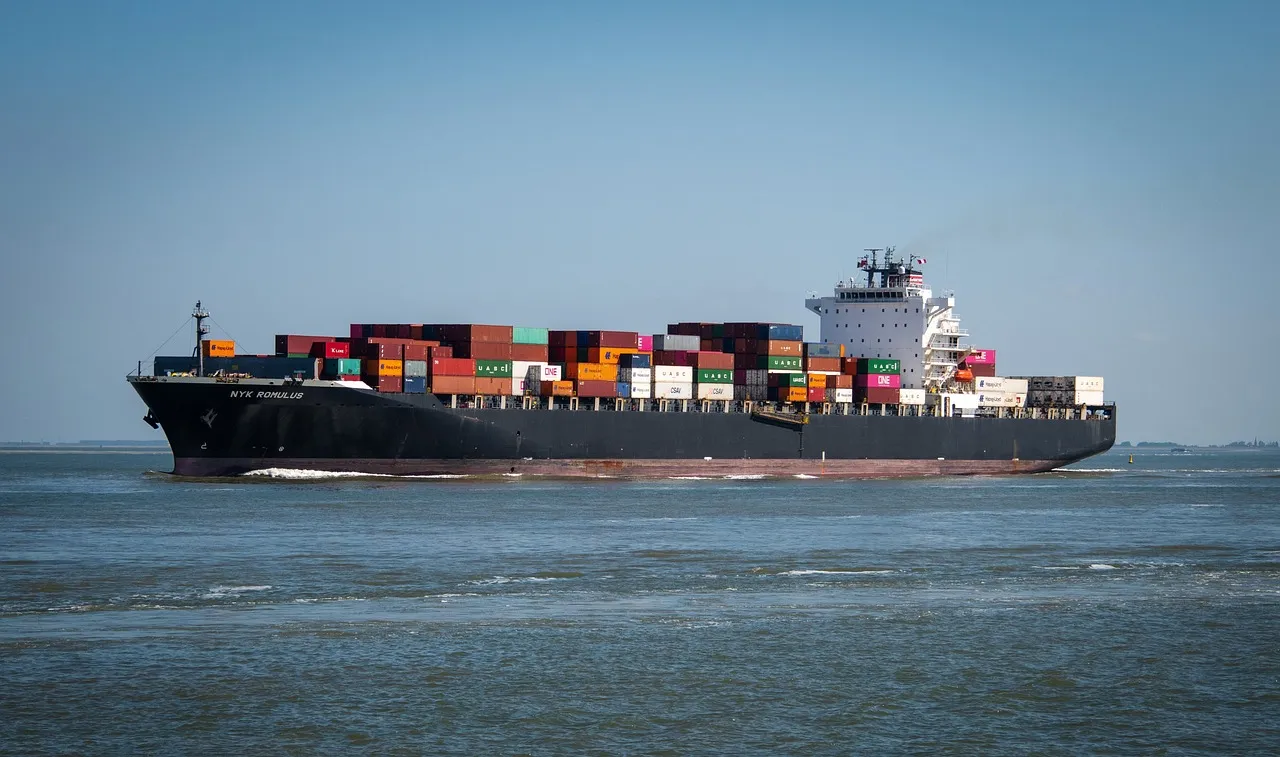
What appears to be a simple customs declaration form is, in fact, a "legal document" with extremely high technical content. Mr. Jian cosmetic import business was once detained by customs with an entire container due to incorrect HS code classification: "We declared it as 'skincare product,' but it was actually 'special use cosmetic,' requiring from the drug administration." Professional customs declaration companies, with years of accumulated product databases and classification logic trees, can control the error rate below 0.3%.
- Time Competition: Ordinary enterprises' declarations average 2.8 days, while professional agents can compress this to 8 hours through pre-classification and pre-valuation.
- Cost Pitfalls: A company omitted to declare royalty fees during self-declaration, and the amount of back taxes and fines exceeded 15% of the cargo value.
- Policy Radar: Agents have dedicated teams to track and interpret policy updates such as RCEP rules of origin and AEO certification standards.
Three Golden Rules for Choosing a Customs Declaration Agent
Rule One: Qualifications are not everything, but no qualifications are absolutely impossible. Checking the Customs Broker Registration Certificate on the official website of the General Administration of Customs is just the baseline; you should also pay attention to:
- Whether it holds AEO Advanced Certification for the corresponding industry (improving customs clearance speed by 50%).
- Whether it has an exclusive team of customs lawyers to handle disputes.
- Whether its system can seamlessly integrate with the international trade "Single Window."
Rule Two: Hidden fees lie behind the price war. A company was once attracted by a low price of "200 yuan per order" but later encountered:
- Inspection Coordination Fee: 800 yuan/instance
- Amendment Fee: 300 yuan/order
- Holiday Expedited Fee: 150% of the standard rate
Rule Three: Digital capabilities determine customs clearance speed. Leading companies like Zhongmaoda are already using AI for:
- Intelligent Document Recognition: Capturing invoice/packing list information in 30 seconds.
- Risk Warning System: Automatically flagging contradictions in declaration elements.
- Customs Clearance Visualization: Real-time tracking of cargo customs clearance status via mobile phone.
The Future is Here: Three Transformations in the Customs Declaration Industry
With the acceleration of smart customs construction, the traditional "runner" style of service is disappearing. A pilot program in a bonded zone has achieved:
- Blockchain Anchoring: Customs declaration data is stored on the chain, improving dispute resolution efficiency by 70%.
- Intelligent Image Inspection: CT scanners + AI algorithms shorten inspection time from 4 hours to 15 minutes.
- Credit-based Clearance: High-credit enterprises can be "released first and audited later."
Standing at the crossroads of international trade, have you re-examined the figure silently handling customs declaration documents? Perhaps it's time to have a coffee with your customs declaration agent – after all, when the cargo ship sounds its horn and sets sail, no one wants to be left at the port because of a single document.

Recent Comments (0) 0
Leave a Reply