Mr. Mei recently discovered a strange phenomenon: a batch of palm oil from Malaysia, which did not enter the Chinese market at all, completed ownership changes in a warehouse in Hong Kong and was eventually sold to a South Korean customer. What surprised him even more was that the goods never left the port of Hong Kong throughout the entire process. This is a typical operation of arbitrage re-export trade – earning profits through "turning hands" by exploiting regional price differences and regulatory loopholes.
What is Arbitrage Re-export Trade?
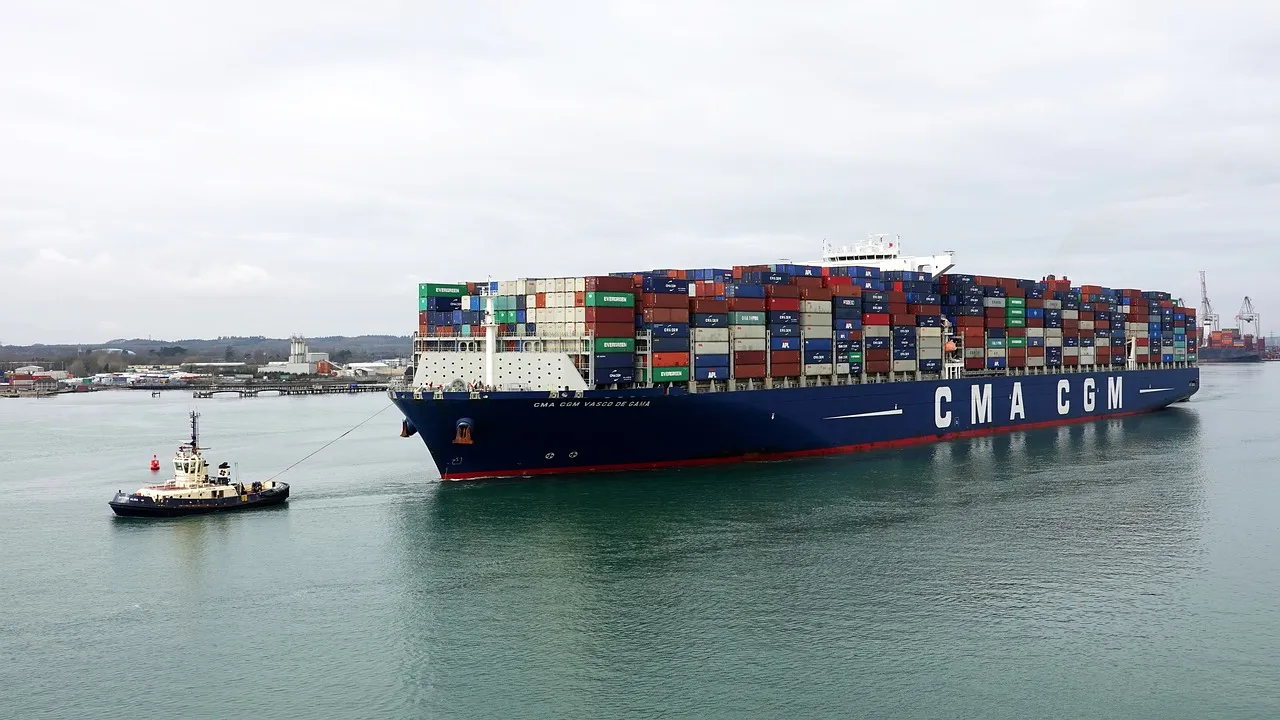
Simply put, arbitrage re-export trade is a trade model where companies use a third country (usually a free trade port) to transit goods, exploiting price differences, tax policies, or exchange rate fluctuations in different markets to gain profits. Its biggest difference from traditional trade is that the goods may not enter the consumption market of the transit country at all, but merely complete a "virtual flow" in a legal sense.
- Price Arbitrage: For example, utilizing the price difference of copper between the LME and the Shanghai Futures Exchange.
- Tax Arbitrage: Reducing overall tax burden by using low-tax regions like Hong Kong.
- Exchange Rate Arbitrage: Locking in exchange rate gains by combining with foreign exchange forward contracts.
Three Core Gameplay Strategies of Arbitrage Re-export Trade
Mr. Mei trading company specializes in this type of business, and she revealed some common operations in the industry to us:
1. Bonded Zone Day Trip
Goods entering a bonded zone are considered "exported" and can immediately apply for tax refunds, and then be resold overseas as "imports." A batch of integrated circuits worth $10 million could save 17% VAT through this operation.
2. Separation of Document Flow and Goods Flow
By controlling trade documents such as bills of lading and letters of credit, multiple ownership changes of goods can be achieved. There have been cases where a batch of iron ore experienced six transactions in document flow, but the physical goods remained at anchor in Singapore.
3. Triangular Trade Model

Zhongmaoda's clients once used the "Malaysia Procurement - Hong Kong Re-export - Vietnam Sales" model to successfully circumvent the rules of origin restrictions within ASEAN, increasing their profit margin by 22%.
Risks and Compliance Boundaries
This trade model operates in a grey area:
- It may trigger customs "fictitious trade" investigations.
- Abnormal capital flows are easily intercepted by bank risk control.
- Excessive arbitrage can distort local trade statistics.
In 2023, a certain commodity enterprise experienced a chain reaction of failures due to repeatedly pledging the warehouse receipts of the same batch of goods.
Future Trend: From Arbitrage to Value Creation
With the widespread adoption of CRS global tax information exchange and blockchain traceability technology, purely document-based games are becoming increasingly unsustainable. Smart traders are starting to transform:
- Designing arbitrage schemes combined with real logistics needs.
- Locking in price difference gains through futures hedging.
- Developing value-added services such as supply chain finance.
Just like the seemingly stationary containers in the port, the essence of arbitrage re-export trade is to let "value" flow before "goods." When you next see abnormal fluctuations in trade statistics, you may be able to understand these hidden commercial codes. Do you have similar trade cases around you? Welcome to share your observations in the comment section.

Recent Comments (0) 0
Leave a Reply