When Mr. Liao received an inquiry from a Dubai client, he didn't rush to quote the price from his Shenzhen factory. This "old hand" who has been in foreign trade for ten years quietly opened the customs declaration of Malaysia—through re-export trade, his profit margin was 23% higher than his peers. Today, we will unveil this "grey channel" that foreign trade professionals both love and hate.
Three Survival Logics of Re-export Trade
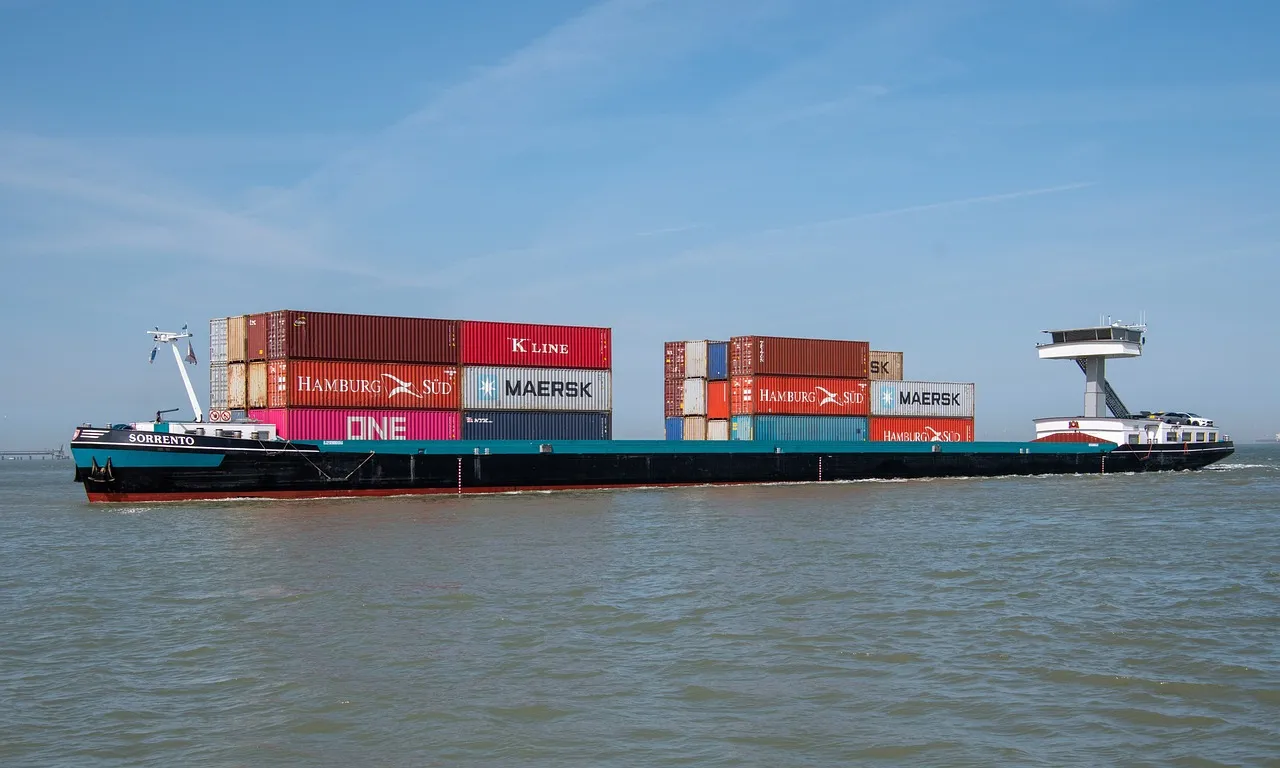
In 2021, when container shipping freight prices soared, ZhongMaoda's logistics monitoring system showed: Chinese goods transshipped through Singapore increased by 217% year-on-year. Behind this phenomenon lie three ironclad rules:
- Tariff Leverage: Mr. Liao textile fabrics were successfully re-exported through Vietnam, circumventing the 15% anti-dumping tax imposed by Europe and America on China.
- Logistics Arbitrage: The freight cost for Middle Eastern liners transshipping at Colombo was 40% lower than direct shipping rates.
- Financial Buffering: Third-country letters of credit can bypass export controls, allowing an Iranian client to pay off the balance owed for two years.
Hidden Reefs and Compasses: Risk Control in Practice
A re-export operation error once caused Mr. Liao to lose an entire container of goods, and he summarized the "Three Verifications Principle":
- Verify Documents: The certificate of origin from the transshipment country must be authenticated by the local chamber of commerce.
- Verify Funds: Ensure the transit account can handle triangular trade settlements.
- Verify Route: GPS container tracking to eliminate "phantom transshipment."
ZhongMaoda's 2023 data shows that companies adhering to this principle have seen their dispute rate drop to 1.2%.
New Ways of Re-export in the Digital Age
Leading companies are now adopting:
- Blockchain Traceability: Digital certificates are automatically generated for each transit stage.
- AI Tariff Calculation: Real-time comparison of costs for 200 transit routes.
- Virtual Transit Warehouses: Inventory in Dubai's bonded zones can be pledged for financing online.
Mr. Liao team used this system to compress the re-export cycle from 45 days to 17 days.
Epilogue: A Choice at the Crossroads
When you see that mysterious transit code in the customs system, remember: it is both a shield to avoid risks and potentially a funnel for lost profits. Welcome to share your re-export stories in the comment section—the business wisdom that is not written on the customs declaration often lies in the real experiences of your peers.

Recent Comments (0) 0
Leave a Reply