On the vast stage of international trade, the realm of export returns for repair often hides intricate details that are not widely known. Imagine goods traveling across oceans to their destination, only to be returned domestically for repair due to various reasons. What are the crucial points we need to understand in this process? Let's delve deeper together.
Reasons for Return: All Sorts of "Trouble"
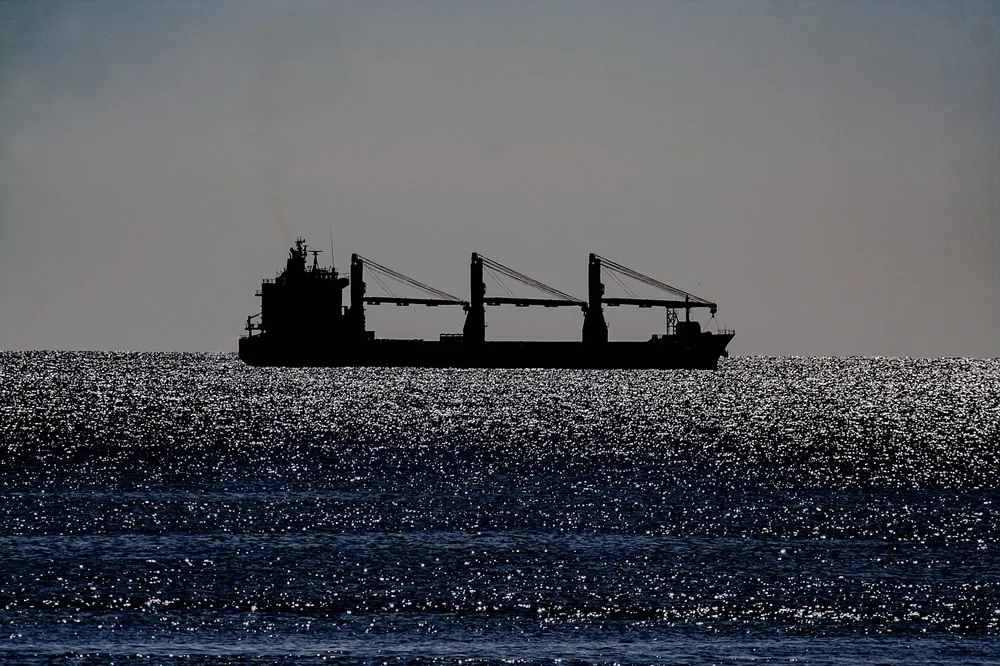
The reasons for the return of exported goods are incredibly diverse. Some are due to product quality defects, failing to meet standards upon overseas customer acceptance. For instance, electronic products might experience functional failures, and apparel could have issues with size discrepancies or fabric quality. Other returns are attributed to market factors, such as sudden changes in overseas market demand leading to slow sales and thus necessitating returns. Furthermore, shifts in trade policies can also cause returns, where the destination country suddenly raises product entry barriers, making already exported goods non-compliant with new regulations.
Return Process: Every Step Counts
Once it's determined that goods need to be returned for repair, the process officially begins. Firstly, the enterprise must communicate and coordinate with overseas clients to obtain detailed explanations for the return and other relevant documents. Subsequently, an application for customs return procedures must be filed with domestic customs, providing a series of documents such as the original export customs declaration, contracts, and invoices. It is crucial to pay special attention here; the documents must be complete and authentic, otherwise, severe penalties from customs may be incurred.
After the goods are returned, the repair phase cannot be overlooked. Enterprises should select institutions with professional repair capabilities. For example, Zhongmaoda has extensive experience and professional teams in this area. Upon completion of repairs, export procedures must be handled again to ensure the goods can smoothly re-enter the international market. Throughout this entire process, time management is paramount, as delays can lead to increased costs such as additional warehousing fees.
Policies and Regulations: The Uncrossable Red Line
For export returns requiring repair, the country has stringent policies and regulations in place. Customs supervision of returned goods aims to maintain trade order and national tax revenue. For example, eligible returned goods for repair may enjoy certain tax preferential policies, but they must meet prescribed conditions, such as the product being returned due to quality issues. Enterprises must strictly adhere to these policies and regulations; otherwise, they will face severe legal consequences, not only potentially incurring hefty fines but also impacting the company's reputation and future import and export business.
Risk Prevention: Foresight is Crucial
When handling export returns for repair, enterprises must prioritize risk prevention. Before signing export contracts, quality standards and clauses related to returns should be clearly defined to avoid disputes arising from unclear responsibilities later on. Strengthening product quality control from the source can reduce returns caused by quality issues. Concurrently, closely monitor international market dynamics and changes in trade policies to prepare in advance for contingencies.
In summary, export returns for repair involve multiple stages and complex factors. Only by deeply understanding the reasons for return, being familiar with the return process, complying with policies and regulations, and effectively preventing risks can enterprises navigate the tides of international trade with ease and reduce unnecessary losses. We hope all enterprise practitioners will attach importance to this area and collectively promote the healthy development of international trade.

Recent Comments (0) 0
Leave a Reply