"Mr. Chang recently exported a batch of used equipment, expecting to receive the tax rebate smoothly. However, he made a mistake filling in a code on the declaration form, and over 30,000 yuan in tax rebates was almost lost!" Such stories are not uncommon in the import and export industry. With the advancement of the "dual circulation" strategy, more and more enterprises are revitalizing idle assets. However, filling out the declaration form for tax rebates on exported used equipment has become a knowledge gap for many. Today, we will dissect the intricacies of this crucial form.
I. Why Can Used Equipment Exports Also Receive Tax Rebates?

According to current policies, eligible exported used equipment can enjoy the VAT "exempt, offset, and rebate" or "exempt and rebate" policies. However, three conditions must be met simultaneously:
- The original value of the equipment has been fully depreciated.
- The customs declaration form clearly indicates "used."
- Input tax was deducted at the time of purchase.
Mr. Chang textile factory successfully received a 12% VAT rebate last year by exporting old production lines. "The key is to keep the original purchase invoices and depreciation certificates," she shared, "Customs will verify the manufacturing date on the equipment's nameplate."
II. 5 Fatal Pitfalls in Filling Out the Declaration Form
When filling out the declaration form for export goods tax rebate (exemption), special attention must be paid to used equipment:
- Commodity Code: The suffix "old" must be added (e.g., 8479.8990 → 8479.8990 old)
- Taxable Basis: Calculated based on the net value of the equipment, not the original value.
- Remarks Column: Indicate "used equipment, depreciation period XX years."
- Supporting Documents: An asset appraisal report must be attached (exempt if residual value is less than 500,000 yuan).
- Time Limit: Declaration must be made within 90 days after export.
One company once mistakenly filled in the code as new equipment, not only failing to receive the tax rebate but also being required to pay back historical tax rebate differences.
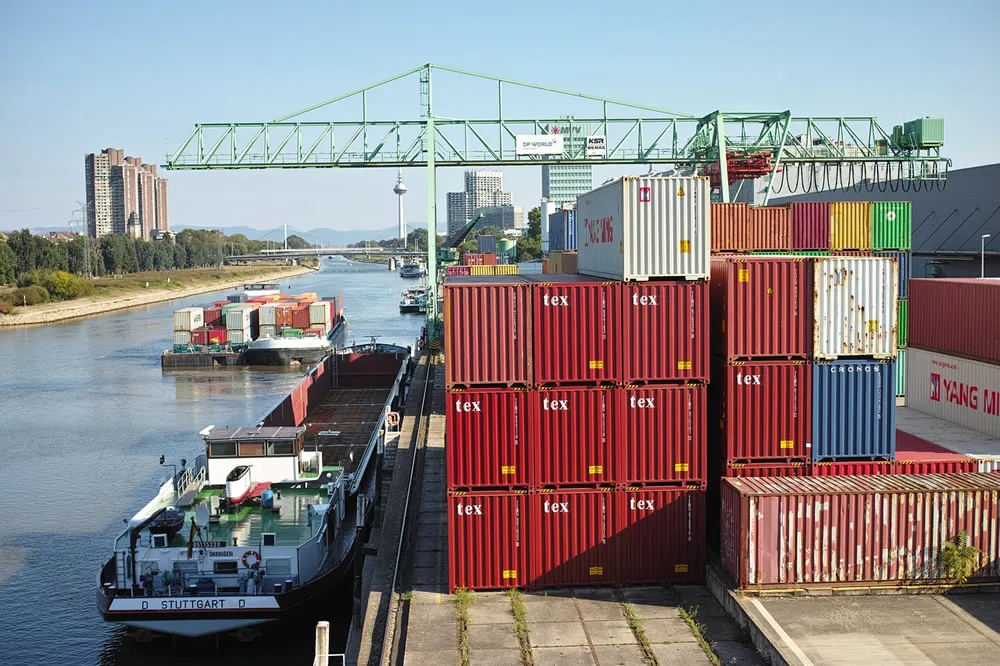
III. Special Requirements in Cross-Border Logistics
Unlike new equipment exports, used equipment requires additional preparation:
- Pre-shipment Inspection Certificate (mandatory in some countries)
- Photographs of the equipment's current condition (showing signs of use)
- Environmental Compliance Statement (for equipment containing metal or chemical components)
"African customers particularly value equipment running videos," reminded Mr. Wang, who is involved in machinery exports. "It's best to record a continuous 1-hour run without malfunction."
IV. How to Get an Extra 3% Tax Rebate
The tax rebate rate can be increased through three legal channels:
- Application for High-Tech Enterprise Certification (some equipment can enjoy a 15% rebate rate).
- Choosing the cross-border e-commerce B2B model (overall costs reduced by 5-8%).
- Utilizing RCEP cumulative rules (materials originating from ASEAN member states exceeding 40% can earn points).
An electronics factory increased its tax rebate rate from 9% to 13% by disassembling old equipment into parts for export. However, it is important to note changes in customs classification rules.
Is Your Old Equipment Still Gathering Dust in the Warehouse?
Statistics show that the value of idle equipment in China's industrial enterprises exceeds 2 trillion yuan. Instead of impairing assets, it is better to proactively revitalize these "sleeping capital." Start organizing your equipment files now and schedule a professional customs audit. Perhaps next month, your tax rebate account will receive an unexpected windfall. What declaration challenges have you encountered with used equipment exports? Feel free to share your practical experience in the comments section.

Recent Comments (0) 0
Leave a Reply