In today's globalized economic tide, import and export trade is undoubtedly a field full of opportunities and challenges. Have you ever wondered how the dazzling array of overseas goods cross borders and appear before us? Or how high-quality domestic products gain prominence in the international market? Today, let us step into the import and export trade practice tutorial together and lift the veil of mystery.
I. Basic Process of Import and Export Trade
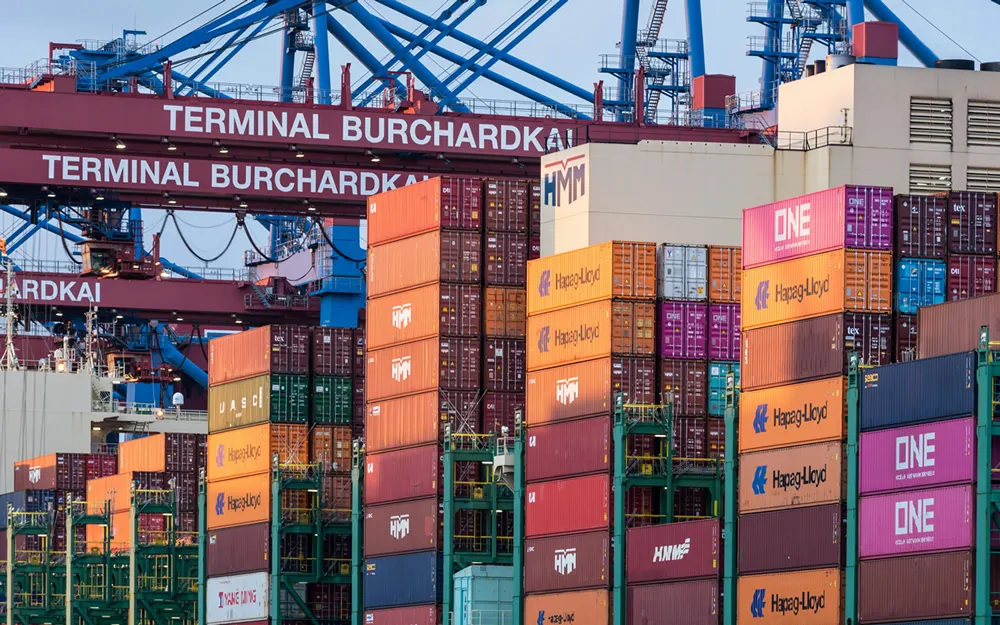
The process of import and export trade is like a meticulously choreographed dance, with each step closely connected. The first is market research, which is a crucial step. Before venturing into import and export business, Mr. Zhao spent a lot of time understanding the demand, competitive landscape, and relevant policies and regulations of the target market. Only by knowing yourself and your opponent can you be targeted in subsequent trade activities.
The next step is to find suitable trading partners. This is not as simple as finding a partner locally. It requires using various channels, such as international exhibitions and online platforms, to meet reliable suppliers or buyers. Once partners are confirmed, contracts need to be signed. The contract clearly defines the rights and obligations of both parties, involving details such as the specifications, price, and delivery date of the goods. Any oversight can lead to subsequent disputes.
II. Key Points of Cargo Transportation and Insurance
Cargo transportation is a critical link in import and export trade. Common modes of transportation include sea, air, and land transport. Mr. Zhao, in her export business, once suffered heavy losses due to choosing the wrong mode of transportation, which led to the goods not arriving at the customer's hands on time. Therefore, it is necessary to comprehensively consider factors such as the nature, quantity, delivery date, and cost of the goods to select the appropriate transportation method.
At the same time, to ensure the safety of goods during transportation, purchasing insurance is essential. Insurance clauses are also varied, and require careful study to ensure that the purchased insurance covers potential risks, such as cargo loss caused by natural disasters or accidents.
III. Techniques for Handling Customs Clearance Procedures
Customs clearance procedures are an indispensable part of import and export trade, involving a series of tedious procedures such as customs declaration and inspection. When declaring customs, it is necessary to accurately fill in various customs declaration forms and provide true and valid cargo information, otherwise, it is easy to be inspected by customs, or even cause goods to be detained. Customs inspection is for specific goods, such as animal and plant products, which need to comply with relevant inspection and quarantine standards. Mastering the techniques for handling customs clearance procedures can allow goods to enter and exit the country smoothly, saving time and costs.
Conclusion: Explore More, Take Action
The import and export trade practice tutorial merely opens a window for us to understand this field. In practical operations, there are more details and challenges waiting for us to explore. If you are interested in import and export trade, why not start now, study relevant knowledge in depth, accumulate experience, and perhaps you will be the next one to make a splash in the international market! Everyone is welcome to share their insights and experiences in the comment section, so that we can grow together on the path of import and export trade.

Recent Comments (0) 0
Leave a Reply