"Mr. He garment factory exceeded 50 million in revenue last year, but missed out on overseas orders due to a lack of import and export rights; Mr. He technology company developed innovative products but is stuck in cumbersome customs declaration procedures..." Such stories unfold daily. Import and export rights are not just a passport for international trade, but a crucial springboard for businesses to upgrade to global operations. This article will break down the complete path to acquiring import and export rights, helping you seize the initiative.
Why Do Businesses Need Import and Export Rights?
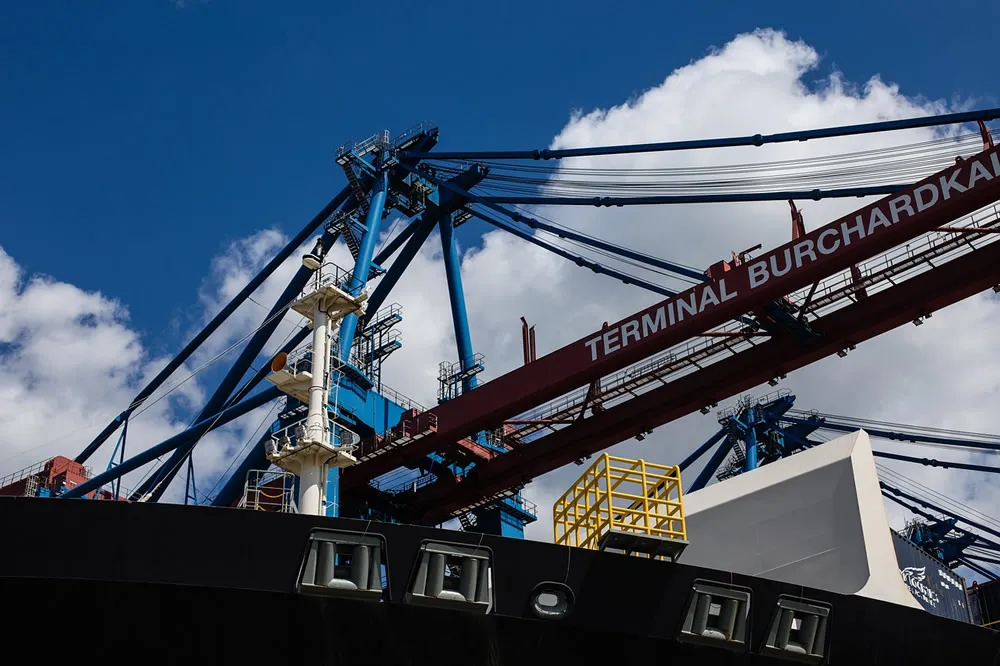
Businesses with import and export rights can trade directly with overseas customers, eliminating the need for third-party agents. According to data from the General Administration of Customs, companies that declared customs independently in 2023 saved an average of 18% in trade costs. Specific advantages include:
- Cost Control: Eliminate intermediary markups, increasing profit margins by 5-15%
- Process Autonomy: Real-time tracking of logistics, shortening delivery cycles
- Qualification Endorsement: Enhance customer trust, essential for bidding on international projects
Four-Step Strategy for Obtaining Import and Export Rights
Step 1: Basic Qualification Preparation
Businesses must meet three strict conditions: their business license must include "goods import and export" or "technology import and export" in its scope of business; a basic bank account must be opened; and the registered capital should ideally be no less than 1 million RMB (this can be more flexible for technology-based enterprises). Zhongmaoda experts remind you: Starting from 2023, cross-border e-commerce companies need to obtain ICP filing additionally.
Step 2: Key Department Registration
- Customs Registration: Submit the customs declaration unit registration form through the "Single Window" platform.
- State Administration of Foreign Exchange: Open a goods trade foreign exchange account.
- Electronic Port: Apply for the legal person card and operator card.
The entire process usually takes 10-15 working days. It is recommended to prepare supporting documents such as the enterprise credit commitment letter concurrently.

Step 3: Tax Qualification Upgrade
The accreditation for export tax rebate qualification is a core component. You need to submit the following to the competent tax authority:
- Proof of VAT general taxpayer status
- Export tax rebate (exemption) registration form
- Copy of the bank account opening permit
Special Note: New regulations in 2024 require businesses to complete integration with the tax digitalization system.
Step 4: Continuous Compliance Management
After obtaining the qualifications, businesses must establish import and export ledgers and complete the following on time:
- Customs Annual Report (before June 30th each year)
- Foreign Exchange Income and Expenditure Report (before the 15th of each month)
- Export Tax Rebate Declaration (within 90 days after all documents are collected)
Pitfall Avoidance Guide: Three Common Mistakes
1. Regional Difference Trap: Policies in Free Trade Pilot Zones may differ from those in the enterprise's registered location. It is recommended to consult professional agencies.
2. Qualification Validity Misconception: Import and export rights are valid indefinitely, but overdue annual customs reports will lead to qualification suspension.
3. Scope of Understanding Bias: Certain special goods (e.g., medical devices) require additional permits.
Actionable Advice: From Preparation to Implementation
It is recommended that businesses implement in phases:The 1st Week: Review existing qualifications and determine the declaration type.
The 2nd Week: Assemble a foreign trade team or choose a professional service agency.
Weeks 3-4: Consolidate the handling of registration procedures.Important Reminder: In 2024, Customs will implement a "Smart Registration" system, improving efficiency by 40% through fully electronic processing.
While your competitors are still haggling over agency fees, businesses with import and export rights are already directly dealing with overseas buyers. Globalization is not an option, but a mandatory subject. When will you start your company's international customs clearance journey? Feel free to share your plans or concerns in the comment section.

Recent Comments (0) 0
Leave a Reply