In the realm of cross-border e-commerce, export tax refunds are like a "profit amplifier" hidden behind the scenes. Although not frequently discussed by the public, they play a crucial role in a company's profitability. For cross-border e-commerce sellers, understanding and effectively utilizing export tax refund policies can not only significantly reduce operating costs but also substantially enhance the price competitiveness of products in the international market. It can be said that mastering the intricacies of export tax refunds is akin to finding an accelerated runway for a company's development.
Basic Conditions for Cross-Border E-commerce Export Tax Refunds
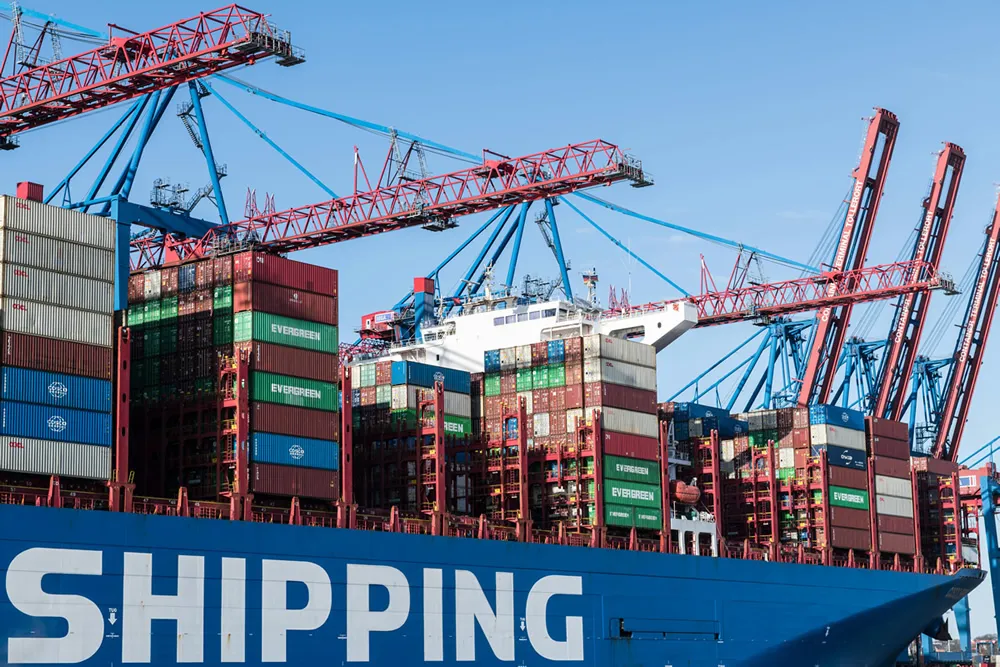
First, the goods must be products subject to Value-Added Tax (VAT) and Consumption Tax. This means only goods within the scope of these two taxes are eligible to apply for export tax refunds. Second, the goods must be declared for customs clearance and export. Simply put, the goods must genuinely leave the country, and all relevant customs declaration procedures must be complete and compliant. Furthermore, export goods must be treated as export sales in accounting, meaning they must meet the criteria for export sales from an accounting perspective. Finally, the goods must have received foreign exchange and been verified, ensuring the normal circulation and verification of foreign exchange funds.
Cross-Border E-commerce Export Tax Refund Process
The first step is qualification verification. Cross-border e-commerce enterprises must go to the local tax authorities to complete the export tax refund qualification verification procedures, preparing a series of relevant documents such as business licenses and tax registration certificates. Only by completing this step can an enterprise be legally qualified to apply for export tax refunds.
The second step is export customs declaration. When goods are exported, enterprises must accurately complete customs declarations and other relevant documents, ensuring that the information is true, complete, and consistent with the actual goods. The customs declaration process is crucial; any errors or false information could significantly affect subsequent tax refund applications.
The third step is tax refund declaration. After collecting all tax refund vouchers, such as export goods customs declaration forms and special VAT invoices, enterprises should declare the tax refund through the electronic tax bureau or other designated declaration systems. The declaration process must be meticulous to avoid rejection of the tax refund application due to data errors.
The fourth step is tax review. After receiving the enterprise's tax refund declaration, the tax authorities will conduct a strict review of the relevant documents and data. The review content includes the authenticity of the documents, the export status of the goods, the tax payment status, and other aspects.
The fifth step is tax refund processing. If the review is approved, the tax authorities will process the tax refund for the enterprise according to the prescribed procedures, and the refund amount will be promptly deposited into the enterprise's designated account.
Precautions and Solutions to Common Problems
Throughout the entire export tax refund process, time management is crucial. Enterprises must strictly adhere to stipulated timelines for various operations, such as declaration deadlines, to avoid being unable to claim refunds due to overdue submissions. Document management also cannot be overlooked; all types of tax refund vouchers must be properly preserved for inspection by tax authorities.
Regarding common problems, such as incomplete documentation, enterprises should promptly identify the cause and complete the missing documents. If it's an invoice issue, such as an improperly issued invoice, communicate with the supplier in a timely manner to reissue a compliant invoice.
In summary, while cross-border e-commerce export tax refunds can be somewhat complex, as long as enterprises diligently study and strictly adhere to policy requirements and operational procedures, they can fully enjoy this policy benefit, providing a strong impetus for their growth and expansion in the vast landscape of cross-border e-commerce. It is hoped that all cross-border e-commerce practitioners will actively take action, thoroughly understand and effectively utilize export tax refund policies, and stand out in international market competition.

Recent Comments (0) 0
Leave a Reply