Mr. Quan recently ordered a batch of equipment from overseas, but it was held up at customs for a full two weeks; Mr. Quan cross-border e-commerce business suffered losses of tens of thousands of yuan due to incomplete customs declaration documents. Do these scenarios sound familiar? Import and export trade may seem simple, but any oversight in the customs declaration can bring the entire process to a standstill. Today, let's delve into the critical details of import and export customs declaration.
Import Customs Declaration: The Necessary Path from Overseas to Domestic
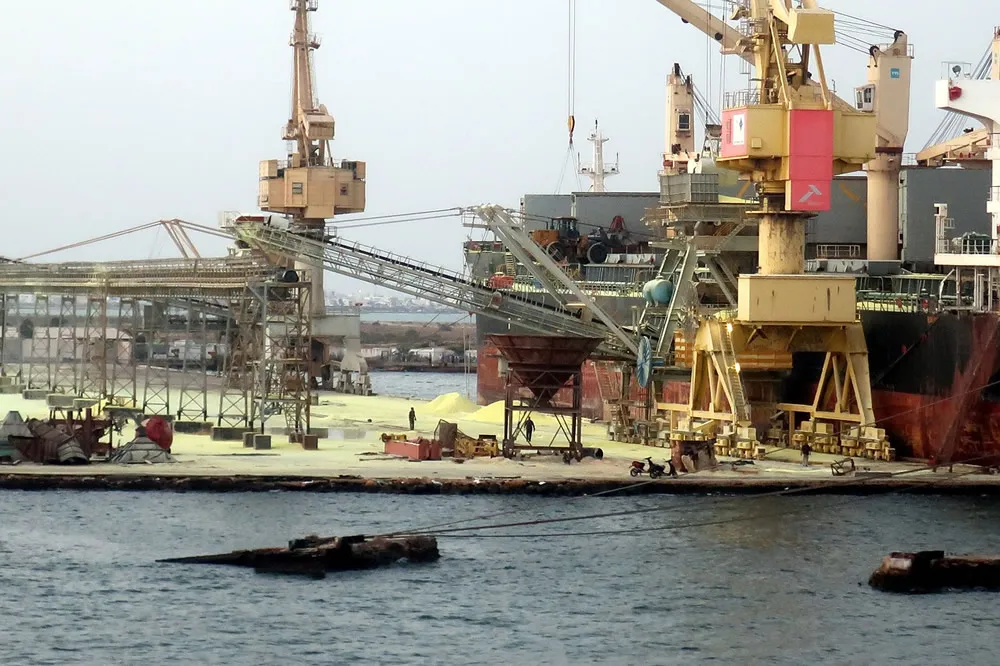
Import customs declaration refers to the process of declaring goods to customs and completing the relevant procedures when transporting goods from abroad into China. This process, while seemingly straightforward, is fraught with hidden complexities.
- Document Preparation: A commercial invoice, packing list, bill of lading, certificate of origin, etc., are all indispensable. Mr. Quan story tells us that the lack of any single document can lead to cargo detention.
- Duty Calculation: Different goods are subject to different tax rates, and value-added tax and consumption tax must also be considered. Precise calculation is essential to avoid subsequent disputes.
- Inspection and Quarantine: Special goods such as food and cosmetics require additional quarantine procedures, a step often overlooked by beginners.
Export Customs Declaration: Making "Made in China" Go Global
Corresponding to import customs declaration, export customs declaration is the permit for domestic goods to be sold overseas. Mr. Quan lesson reminds us that export customs declaration should not be underestimated either.
- Export Tax Rebate: This is the source of profit for many enterprises, but it requires the provision of complete value-added tax invoices and export customs declaration forms.
- Destination Country Requirements: Different countries have different standards for imported goods, such as CE certification in the European Union and FDA certification in the United States.
- Choice of Transportation Method: Air freight, sea freight, or land transport, each method has vastly different customs declaration requirements and time costs.
Common Misconceptions and Professional Advice
In actual practice, many enterprises fall into the following misconceptions:
- Believing that customs declaration is as simple as filling out a few forms
- Ignoring the importance of HS codes, leading to misclassification
- Failing to allocate sufficient time for customs declaration, affecting the overall supply chain
Take Action: Making Trade Smoother
Import and export customs declaration is an indispensable part of international trade and a core competency that enterprises must master. After reading this article, do you have a clearer understanding of the customs declaration process? Welcome to share your customs declaration experiences or questions in the comments section, and let us discuss together how to make the path of cross-border trade smoother.

Recent Comments (0) 0
Leave a Reply