“Mr. Niu recently received an overseas order, but almost lost liquidated damages due to unfamiliarity with the export process; Mr. Niu's handicrafts are very popular abroad, but errors in customs declaration documents caused the goods to be stranded at the port…” Foreign trade exports, while seemingly full of infinite business opportunities, are in reality fraught with hidden dangers. This article will take you 10 minutes to dissect the entire foreign trade export agency process and avoid those “pitfalls that textbooks won't tell you.”
I. Why is Export Agency Needed?
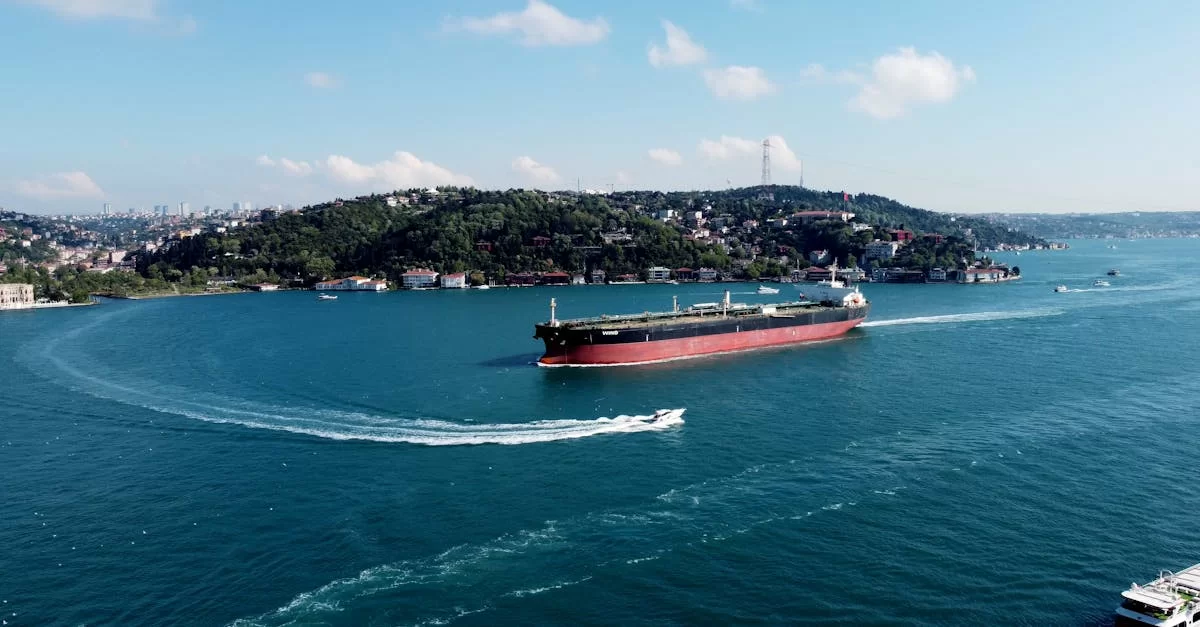
According to industry data, 73% of small and medium-sized enterprises choose agency services when first attempting foreign trade. Export agencies not only solve complex problems with documents, customs declaration, and tax refunds, but can also reduce transportation costs by 15%-30% through their international logistics network. Taking Zhongmaoda's clients as an example, after using professional agents, the average customs clearance time was shortened to 1.8 days.
II. Six Steps in the Core Process
- Qualification Matching: Confirm that the agency company has qualifications such as AEO certification from the Customs and filing with the Foreign Exchange Administration;
- Contract Lock-in: Pay special attention to the division of transportation responsibilities and exchange rate fluctuation clauses (it is recommended to choose hedging services);
- Document Preparation: Commercial invoice, packing list, and certificate of origin are indispensable; EU also requires CE certification;
- Customs Declaration and Clearance: HS code classification is crucial, and incorrect declarations may result in 20% additional tariffs;
- Logistics Tracking: For sea freight, pay attention to the ETA/ETD time difference; for air freight, note the rules for calculating freight by volume and weight;
- Settlement and Tax Refund: Special VAT invoices must be submitted within 90 days after the goods leave the port.
III. Pitfall Avoidance Guide
One client was charged 35% anti-dumping tax by the destination country for misclassifying "wooden furniture" as "handicrafts." Recommendation:
- For emerging markets, prioritize D/P payment over credit sales.
- Avoid routes with shipping times exceeding 15 days for perishable goods.
- The declared amount is recommended to be kept within a fluctuation range of ±5% of the invoice amount.
IV. Digitalization New Trends
Through Zhongmaoda's intelligent customs declaration system, client Ms. Wang's ceramic product export achieved "one-click generation of customs declaration forms", with an error rate reduction of 76%. The application of technologies such as blockchain logistics tracking and AI intelligent classification is reshaping the traditional foreign trade agency model.
Actionable Advice
Have you ever encountered: Repeated modifications of customs clearance documents? Or goods detained due to incorrect tariff codes? Welcome to share your experiences in the comment section, and we will select 3 readers to provide free export process diagnosis services. Collect this article now and use it as a checklist before your next export!

Recent Comments (0) 0
Leave a Reply