When Mr. Guan first heard that "the export profit of one ton of activated carbon is equivalent to ten tons of ordinary goods," he thought it was just an exaggeration within the industry. It wasn't until he personally witnessed Mr. Guan trading company, through professional agency channels, sell a batch of coconut shell activated carbon to Europe at a 30% premium that he realized this seemingly ordinary black powder was quietly orchestrating a "magic turn into gold" legend in the international market.
Why is the World Rushing to Buy Chinese Activated Carbon?

According to industry data, China's activated carbon export volume has maintained a growth rate of over 15% for five consecutive years. Driven by both increasingly stringent environmental policies and surging industrial demand, this material with strong adsorption capabilities has become a "must-have" item in sectors like chemical, pharmaceutical, and food. Japanese water purification plants specify coal-based activated carbon, German car manufacturers use it to treat volatile organic compounds, and even Korean beauty companies add it to their facial masks—the stringent requirements for parameters like iodine value and ash content in different application scenarios precisely highlight the value of professional agency services.
- Southeast Asian Market: Prefers low-cost wood-based activated carbon for sucrose decolorization
- European and American Markets: Seeks high-iodine-value coconut shell carbon for high-end water purification systems
- Middle Eastern Market: Purchases large quantities of columnar activated carbon for oil and gas purification
Three Core Hurdles of Export Agency
Ms. Wang once faced a 20% tariff penalty due to self-export, while professional agencies successfully reduced customer costs to 8% through optimized origin certification schemes. This reveals the key barriers in the industry:
1. Breaking Through the Certification Labyrinth
Certification systems like REACH, FDA, and ISO 9001 are like a complex chessboard. A batch of products, due to the lack of EU-10/2014 food-grade certification, had an entire container of goods destroyed at the Port of Rotterdam. Professional institutions like Zhongmao Da have established pre-certification inspection systems that can increase the compliance pass rate to 98%.
2. Customized Logistics Solutions
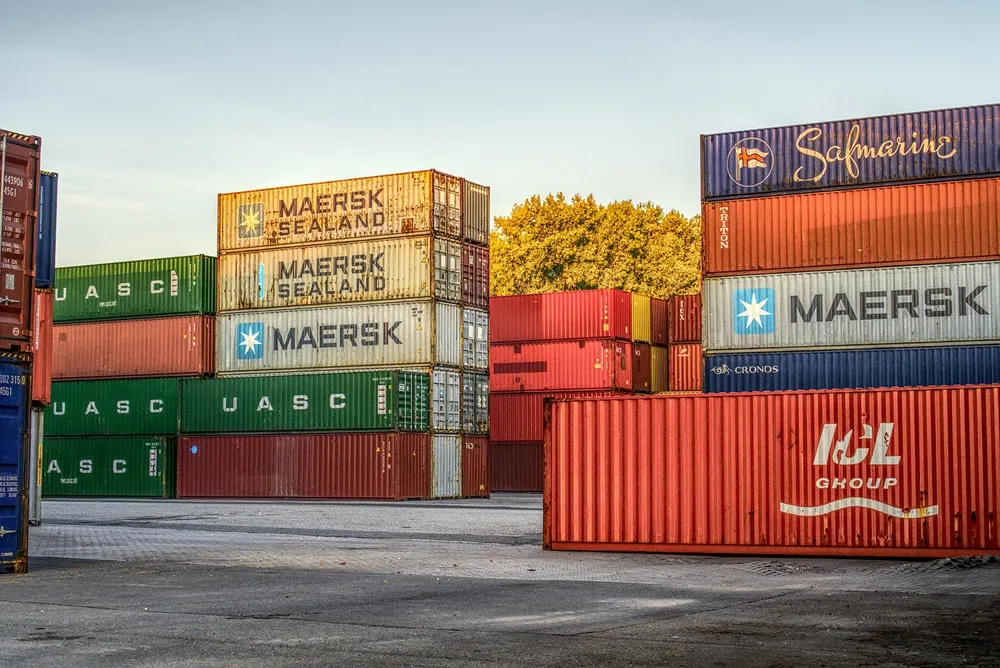
The transportation of activated carbon requires special moisture-proof and shock-resistant treatment. When sea freight prices fluctuate, agencies have saved a client 19% in transportation costs and compressed the delivery cycle to 18 days through multimodal transport solutions via Central Asian railways.
3. Precision in Tax Planning
By leveraging the tax rate differences within the China-ASEAN Free Trade Area, professional agencies have helped a company reduce its CIF cost in the Vietnamese market by 14.7%. This ability to keep a database of 54 countries' tariffs updated in real-time is the core competitiveness that distinguishes them from "freight forwarding scalpers."
How Can New Entrants Break the Ice?
Observing successful cases, it's evident that focusing on niche segments is often more effective than spreading oneself too thin:
- Select 3-5 product codes with advantages (e.g., 38021090 for gas-phase adsorption carbon)
- Obtain at least 2 overseas laboratory testing reports as endorsement
- Participate in vertical exhibitions like Germany's Aquatech through agency channels
As one industry professional put it: "When you can consistently control the iodine value of Malaysian palm shell charcoal to 1100mg/g, customers will naturally come to you with premium orders." In this industry, professional depth is the best business language.
The Next Five Years: From Product Export to Standard Export
With global environmental standards converging, Chinese activated carbon companies are embracing a transformation from "selling products" to "selling solutions." Agency service providers who can assist overseas clients in designing VOC treatment systems and provide technical support for regeneration have already begun charging project-based service fees—this may indicate that the value ceiling of this industry is far beyond what we see today.
As you finish reading this article, take a moment to consider: In the trillion-dollar environmental market driven by carbon neutrality goals, how do you plan to get your share? Feel free to share your insights in the comment section or send a private message to get the latest overseas market access checklist.

Recent Comments (0) 0
Leave a Reply