When Mr. Lu took a bite of the European bread made with French T65 flour, the aroma of wheat instantly bloomed in his mouth—a flavor complexity that ordinary flour simply cannot achieve. In recent years, with the rise of baking culture, imported flour agency is quietly becoming a new blue ocean in the catering industry. But how does one pick out potential stars from a myriad of overseas brands? How can agency pitfalls be avoided? This article will unlock the wealth code of imported flour agency for you.
I. Why Are Professional Bakers Stocking Up on Imported Flour?
Mr. Lu popular dessert shop once suffered from persistently high return rates for three consecutive months due to flour issues, until they switched to Canadian hard red spring wheat flour. The core advantages of imported flour are:
- Variety Differentiation: The protein structure of Italian durum wheat is naturally suited for making pasta
- Process Standards: German century-old mills' low-temperature grinding technology preserves more grain nutrients
- Origin Premium: Hokkaido "snow flour" from Japan naturally carries a sweet aftertaste
Zhongmaoda's 2023 industry report shows that imported flour accounts for 37% of raw material procurement in high-end bakeries, with an annual growth rate exceeding 20%.
II. The Life-or-Death Choice for Agents: The Four-Dimensional Product Selection Assessment Method
Faced with a dazzling array of overseas flours, senior agent Mr. Wang has summarized a golden formula:
- Market Fit: French flour is suitable for French pastries, while American flour primarily targets American fast food
- Supply Chain Stability: Australian wheat is less affected by climate, making delivery cycles more controllable
- Completeness of Certifications: Organic certification, Halal certification, etc., directly impact terminal pricing
- Profit Margin: Ocean freight costs and tariffs should be controlled within 35%
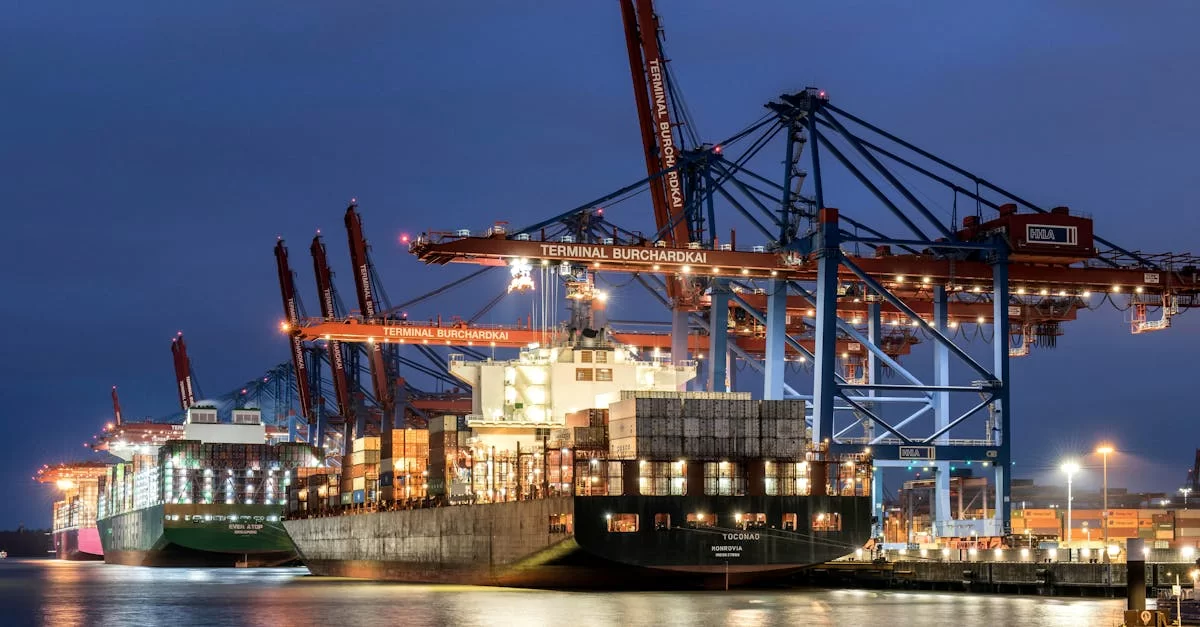
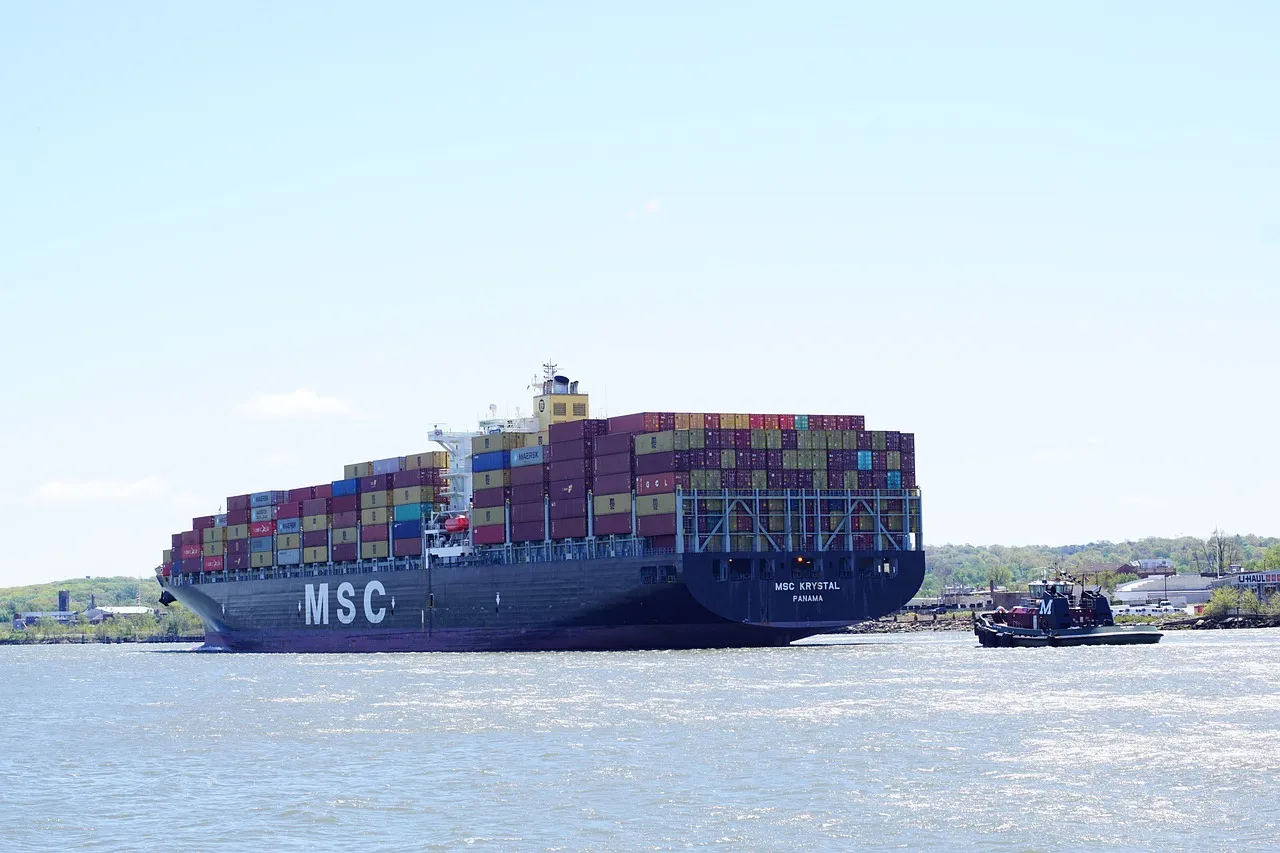
One agent once sought low-priced representation for a niche Eastern European flour, only to incur losses exceeding one million due to the entire container being held at port because of a lack of Chinese customs filing.
III. Three Major Keys to Cracking the Agency Dilemma
1. Establish Technical Barriers: Provide flour application solutions for downstream customers, such as the golden ratio of Belgian bread flour + 15% rye flour
2. Build Storage Advantages: Establish constant temperature and humidity warehouses in bonded areas to address the pain point of imported flour easily absorbing moisture and caking
3. Precise Channel Operations: High-end hotel channels value traceability certificates, while e-commerce channels require innovative small packaging
Successful cases show that agents who collaborate with master baker workshops have seen their product premium capability increase by an average of 60%.
IV. The Future Is Already Here: Three Major Trends Predicted for Imported Flour
As Gen Z becomes the main consumer force, the market is undergoing subtle changes:
- Functional Segmentation: Gluten-free flour boasts an annual growth rate of 120%
- Regional Integration: Using Japanese flour to make Chinese steamed buns has become a new selling point
- Sustainability Certifications: Carbon footprint labels will influence purchasing decisions
As one industry insider said: "What matters now is not who represents more brands, but who can tell the flour story more compellingly."
Conclusion: Where is Your Flour Agency Business Stuck?
When we discuss imported flour, we are essentially discussing how to transform high-quality global agricultural products into a culinary experience for Chinese consumers. Perhaps you are struggling with product selection or limited by channel expansion, feel free to share your agency stories in the comments section. In the next issue, we will reveal the viral marketing strategies for niche flours, click follow to not miss updates.

Recent Comments (0) 0
Leave a Reply