On the grand stage of international trade, export business is a crucial part. Among them, agent export and self-operated export are two common modes. But do you really understand the differences between them? Today, let's thoroughly explore the differences between these two, so you can have a clearer understanding when choosing import and export businesses.
I. Significant Differences in Concepts
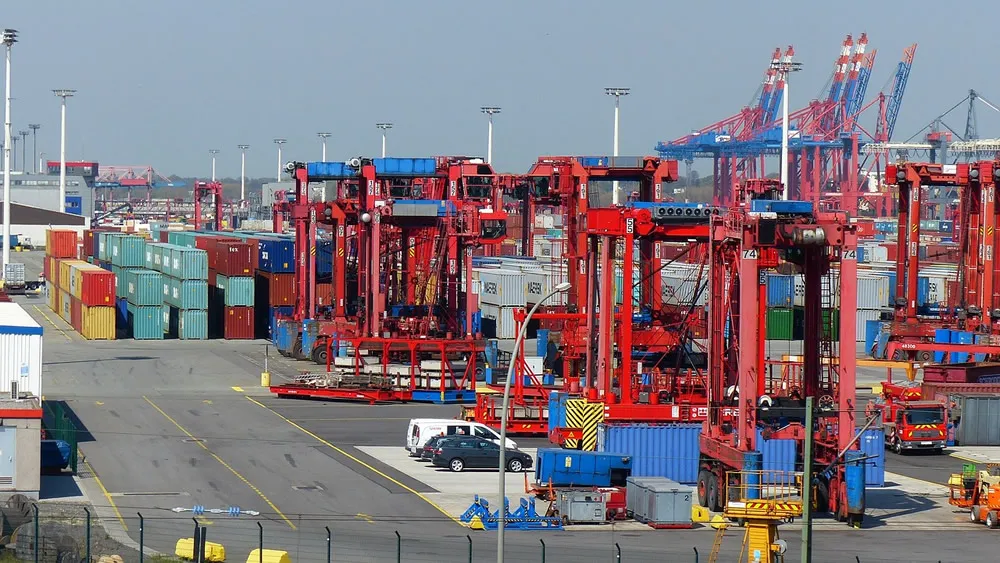
Agent export, in simple terms, means that an enterprise with export qualifications (such as a professional enterprise like Zhongmaoda) accepts the entrustment of other enterprises to handle various export-related procedures and complete export business on their behalf. It's like you want to travel abroad but are not very familiar with procedures like visa applications, so you find a professional travel agency to help you sort it out. In this case, the travel agency is similar to an agent export enterprise.
Self-operated export refers to an enterprise that possesses its own import and export operating rights. It relies on its own strength to explore international markets, from finding customers and signing contracts to handling export procedures and arranging transportation. All these steps are carried out by the enterprise itself, just like an all-rounder competing alone on the international stage.
II. Distinct Responsibilities and Risk Bearing
Under the agent export mode, the agent enterprise mainly acts according to the requirements of the principal and bears more responsibility for the accuracy and compliance of handling procedures. For example, if the export customs declaration form is filled incorrectly due to the negligence of the agent enterprise, the agent enterprise must be responsible for correcting the issue. However, the risks related to product quality and payment collection are mainly borne by the principal.
Self-operated export enterprises are different, as they have to take on all responsibilities. They must ensure good product quality. If there are quality problems and complaints from foreign customers, the self-operated enterprise must handle them itself. If payment cannot be recovered, it must find ways to pursue it. It can be said that self-operated export enterprises must comprehensively deal with all possible risks and responsibilities.
III. Profit Models with Their Own Strengths
The profit of an agent export enterprise mainly comes from the agency fees collected from the principal. Generally, it is charged as a certain percentage of the export amount or a fixed fee agreed upon by both parties in advance. For instance, Zhongmaoda, as an agent export enterprise, may negotiate a suitable agency fee collection method with the principal based on different business situations.
For self-operated export enterprises, profits mainly come from product sales revenue. By selling their own products in the international market, they earn profits from the price difference. However, this also means investing more costs in product research and development, market promotion, etc., to make products competitive in the international market and thus achieve profitability.
IV. Divergent Resource and Capability Requirements
Agent export enterprises mainly need to possess professional foreign trade procedure handling capabilities and a good service awareness. After all, their main job is to help others handle procedures. They must be familiar with various processes such as customs declaration, inspection, and tax refunds, and be able to respond promptly to the principal's needs.
- For example, they must be familiar with the customs declaration requirements of different countries and regions to accurately handle customs declaration business for the principal.
Self-operated export enterprises, on the other hand, require stronger comprehensive capabilities. They not only need the ability to research and develop and produce high-quality products but also the marketing capability to explore international markets, as well as professional capabilities to handle various foreign trade affairs. It can be said that self-operated export enterprises need to be all-round players, equipped with resources and capabilities in all aspects.
After understanding these differences between agent export and self-operated export, enterprises can make decisions when choosing an export mode based on their actual situation. If you feel that you are not good at handling foreign trade procedures, or do not have enough resources to explore international markets, then agent export may be a good choice. If you have full confidence in your products and have the ability and courage to venture into the international market alone, then self-operated export may allow you to fully showcase your talents. Everyone, come and discuss, which export mode do you think is more suitable for you?

Recent Comments (0) 0
Leave a Reply