“Mr. Tan recently received an overseas order but is struggling with how to choose an export method: should he set up his own export trading company or entrust an export agent?” Such scenarios are not uncommon in cross-border business. With the continuous warming of global trade, how enterprises can efficiently and compliantly send their products abroad has become a topic that many operators must face.
Essential Differences Between the Two Models
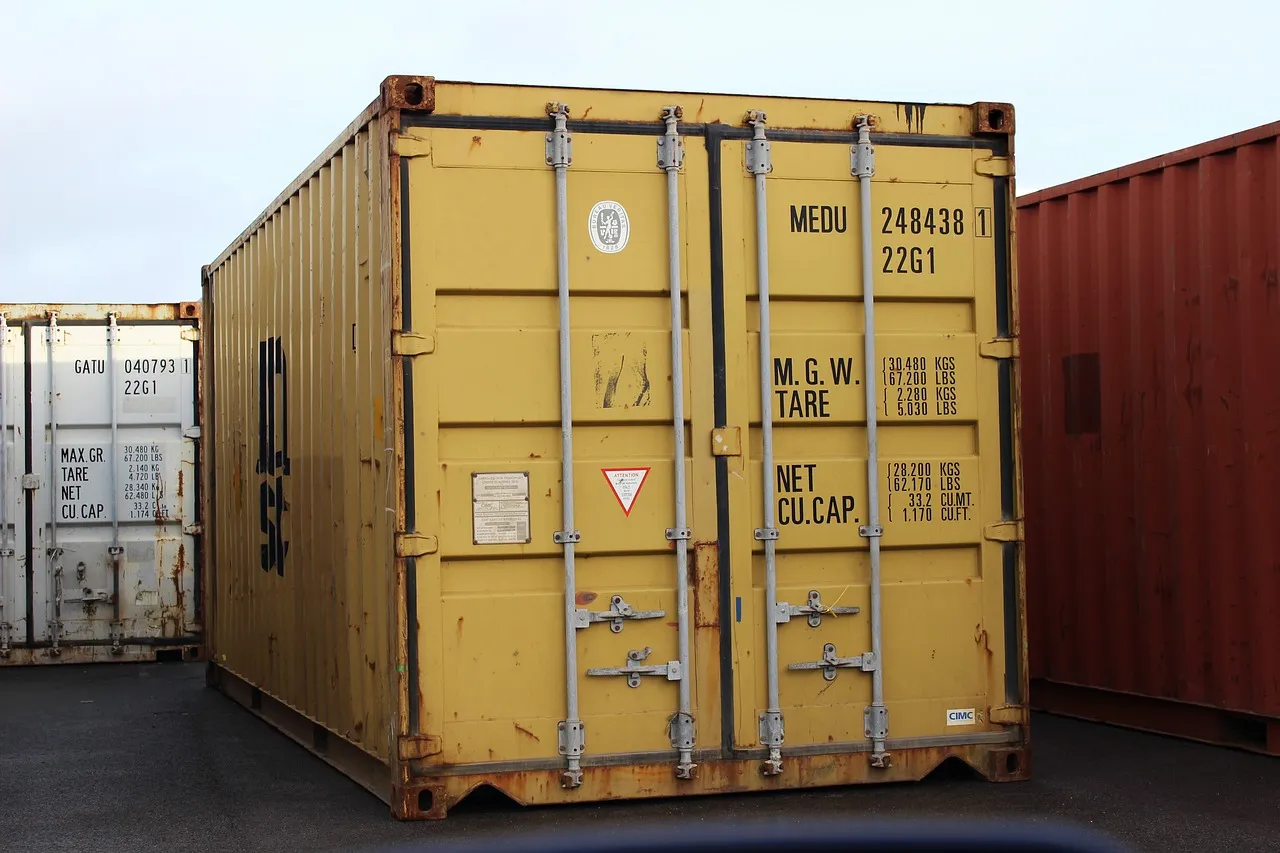
Export trading companies are business entities with independent import and export rights, capable of directly signing contracts with overseas buyers and completing the entire process, including customs declaration and tax rebates. Mature trading companies, represented by Zhongmaoda, typically possess stable logistics channels and foreign exchange management capabilities.
In contrast, export agents are more like professional service providers, offering "borrowed shell export" services to manufacturing enterprises without import and export rights. Mr. Tan's clothing factory solved its export qualification issues through an agent, while also saving the cost of setting up a foreign trade team.
- Trading Companies: Full-chain control but high operating costs
- Export Agents: Lightweight operations but small profit margins
Key Considerations When Choosing
Annual export value is the primary judgment criterion. Industry experience shows:
- Below USD 5 million: Agency model is more cost-effective
- USD 5-20 million: Can consider setting up a trading company
- Above USD 20 million: Recommended to build a professional team
Product characteristics are equally important. Products requiring special certifications, such as medical devices, can gain faster market access through professional agents; while daily consumer goods with high standardization are more suitable for independent export operations.
Emergence of New Cooperation Models
The market is fostering hybrid solutions:
- Phased agency services (e.g., first order customs clearance support)
- Flexible cooperation with commission per order
- Combination of digital platforms + localized services
A cross-border e-commerce seller adopted a strategy of “3 months of agency transition + subsequent self-operation,” smoothly navigating the business expansion period.
What is Your Choice?
In this VUCA era, there is no one-size-fits-all answer. It is recommended that enterprises take three actions first: calculate actual export costs, evaluate the team's foreign trade capabilities, and understand the target market policies. Perhaps as industry experts say: “The best model is always the one that allows you to focus on your core competitiveness.” Welcome to share your cross-border operation experiences in the comment section.

Recent Comments (0) 0
Leave a Reply