In an era of increasingly frequent international trade, many enterprises, when involved in import business, often rely on import customs brokers to handle complex customs declaration processes. However, many people are often confused about the fees charged by import customs brokers. Today, let's delve into the issues related to import customs broker fees.
Basic Customs Declaration Fees
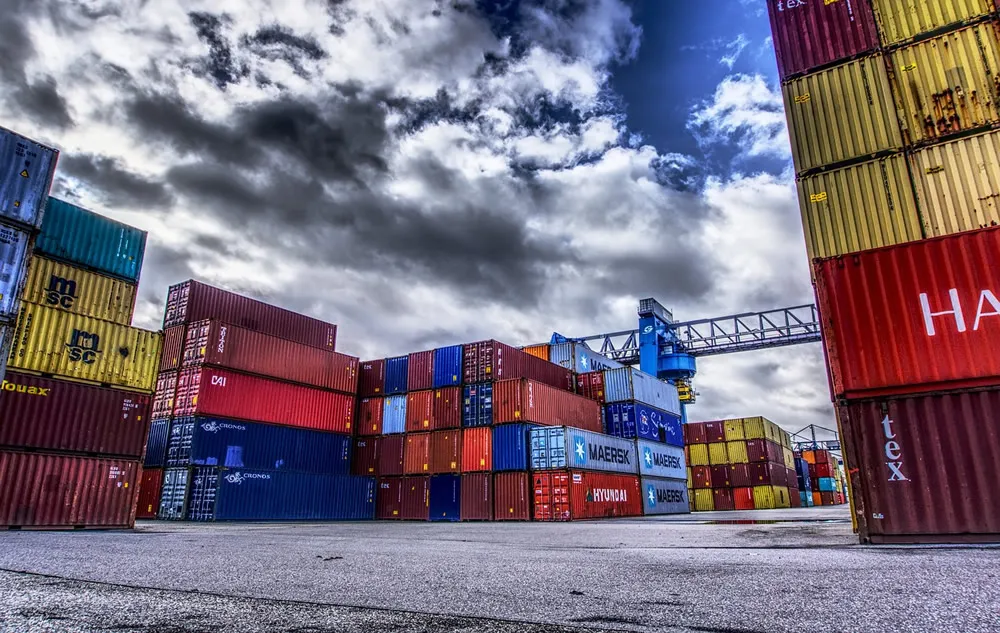
The primary fee charged by an import customs broker is the basic customs declaration fee, which is the fundamental service fee collected for processing import and export customs procedures for clients. This fee covers a series of basic operations such as filling out and submitting customs declarations, as well as communication and coordination with customs. Its charging standard is not fixed but usually fluctuates based on factors such as the type of goods, value, and the number of customs declarations. For instance, customs declaration fees for ordinary daily necessities are relatively low, while those for high-value electronic products or specially supervised commodities may be higher.
Documentation Fees
Various documents are indispensable in the import customs declaration process. Import customs brokers prepare documents such as commercial invoices, packing lists, and bills of lading for clients, which incurs documentation fees. Preparing these documents requires professional knowledge and meticulous operation to ensure their accuracy and completeness, avoiding goods detention or additional costs due to documentation issues. Documentation fees are generally calculated per set, and different types of documents will have varying fees.
Inspection and Quarantine Fees
Many imported goods require inspection and quarantine to protect the rights of domestic consumers and maintain national ecological security. When import customs brokers assist in handling inspection and quarantine procedures, corresponding fees are incurred. This portion of the fees depends on the nature of the goods and the inspection and quarantine requirements; for products closely related to human health, such as food and cosmetics, inspection and quarantine requirements are stricter, and thus the fees are relatively higher.
Other Potential Fees
In addition to the main fees mentioned above, there are other potential costs. For example, when goods require fumigation, fumigation fees will be incurred; if goods incur demurrage at the port, there will be demurrage fees, etc. Furthermore, if there is a discrepancy between the declared value of the goods and the customs' appraised value, it may trigger customs valuation procedures, which could lead to additional fees during this period.
How to Choose a Cost-Effective Import Customs Broker
Facing numerous import customs brokers, how should enterprises choose to obtain cost-effective services? Firstly, one should not only focus on the level of fees but comprehensively consider the company's professional capabilities, service quality, and reputation. You can consult peer enterprises that have cooperated with different customs brokers to understand their actual performance. Secondly, it is crucial to communicate fully with the customs broker to clarify the details of each fee and its charging standard, avoiding future fee disputes.
In summary, understanding the fee structure of import customs brokers is crucial for import enterprises to reasonably plan costs and smoothly conduct business. We hope that enterprises, when choosing an import customs broker, can weigh all factors comprehensively to find the most suitable partner, ensuring the smooth progress of their import business. If you have further questions about import customs broker fees, feel free to leave a comment in the discussion section.

Recent Comments (0) 0
Leave a Reply