"Last month, Mr. Gu cross-border e-commerce order was suddenly detained by customs, resulting in a loss of nearly 50,000 yuan – simply because a document was missing." Such stories unfold daily in the foreign trade industry. With the digitalization of global trade, import and export business is no longer exclusive to large enterprises, but 90% of newcomers stumble in the process. This article will dissect the **entire import and export customs clearance process** to help you avoid the "hidden traps" that textbooks won't teach you.
I. Preparatory Stage: Three Tickets More Important Than Product Selection
Last year, Mr. Gu was liable for back taxes when exporting handmade ceramics because he failed to complete tax registration. The first step in import and export is not finding clients, but obtaining business qualifications:
- Foreign Trade Operator Registration: Submit business license and other materials to the commerce department; completed within 3 working days.
- Customs Registration Certificate: Register through the "Single Window," serving as the enterprise's import and export identification.
- Electronic Port Card: A security key for electronic operations such as customs declaration and tax refunds.
Zhongmaoda experts remind: different commodities also require **specialized certifications**, such as FDA registration for food and CE certification for medical devices.
II. Customs Clearance in Practice: 12 Steps Behind a Single Declaration Form
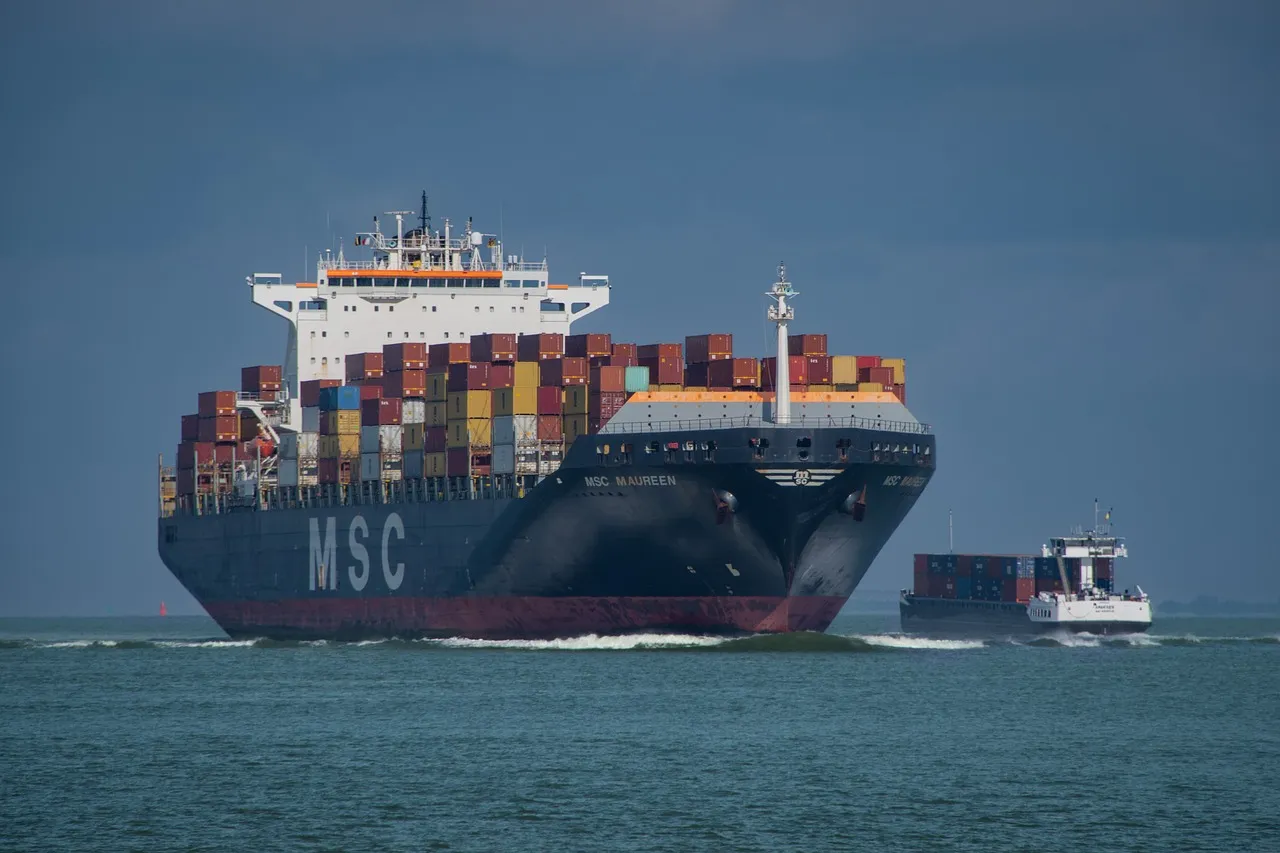
When Ms. Wang's garment container was inspected at Ningbo Port, she realized she had entered the wrong HS code on the customs declaration form. The complete customs clearance process includes:
- Commodity Classification: Selecting the correct tax rate by choosing from 6,000 HS codes.
- Document Preparation: Contracts, invoices, packing lists, and certificates of origin are all indispensable.
- Declaration Method: General trade/cross-border e-commerce/market procurement apply different channels.
According to 2023 customs data, 30% of delays are caused by **discrepancies in documents**, particularly errors in trade terms on proforma invoices.
III. Financial Flow: Don't Let Settlement and Taxes Eat Into Your Profits
A small and micro enterprise had its account frozen after receiving overseas payments due to failure to declare foreign exchange. When managing funds for imports and exports, pay attention to:
- Foreign Exchange Receipts and Payments: Declare international payments and receipts through banks.
- Export Tax Refunds: Value-added tax special invoices must "match each individual invoice" with the customs declaration form.
- Tariff Planning: Utilizing preferential tax rates under free trade agreements can save 15% in costs.
It is recommended that first-time operators set aside **20% of funds as a buffer** to cope with exchange rate fluctuations and unexpected tax expenses.
IV. Pitfall Avoidance Guide: Experience the Customs Officers Won't Tell You
Practical tips summarized from the case studies of 200 enterprises:
- Apply for **pre-classification** in advance to avoid customs questioning of commodity codes.
- For sensitive goods (e.g., lithium batteries), air transport requires UN38.3 certification.
- For cross-border e-commerce B2C exports, remember to upload **transaction screenshots** and logistics vouchers.
Now it's your turn: in which have you paid "tuition fees"? Welcome to share your customs clearance stories. For those preparing to enter the field, it is recommended to bookmark this article and forward it to your partners – some mistakes are not worth making with real money.

Recent Comments (0) 0
Leave a Reply