In the intricate game of global trade, re-export trade sometimes acts as a mysterious piece, sparking numerous discussions. In recent years, the trade environment has been in constant flux, and many companies, seeking to break through difficulties, have turned their attention to re-export trade, attempting to evade trade barriers through this method. So, how exactly does re-export trade operate, and can it truly achieve the effect of evading trade obstacles?
Basic Operational Model of Re-export Trade
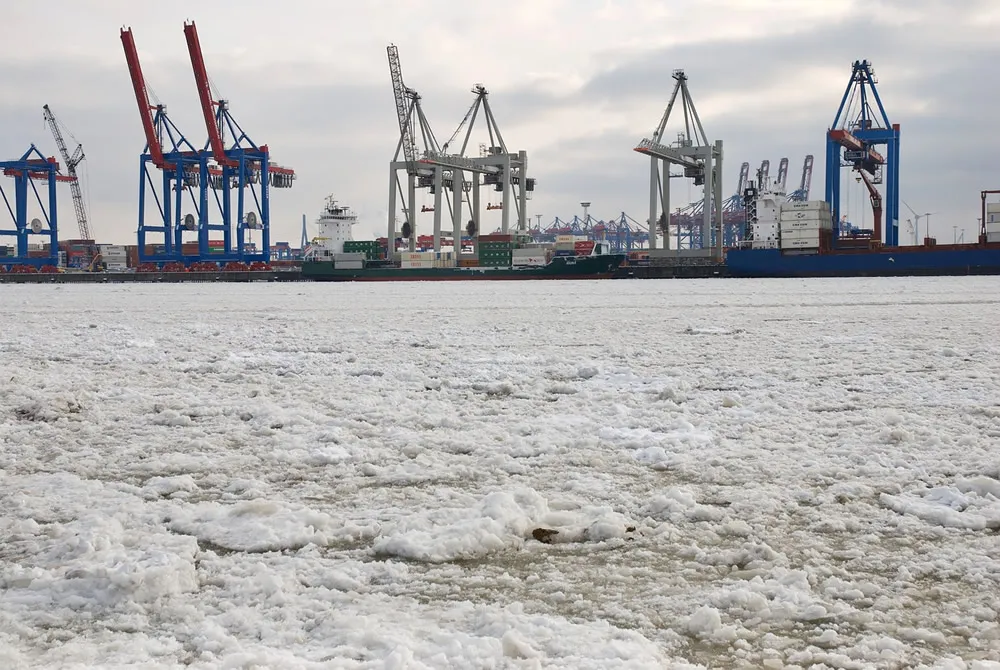
Re-export trade, in simple terms, is a trade method where goods are traded between the country of production and the country of consumption through merchants in a third country. For example, Mr. Qin company produces goods in China and originally planned to export them directly to the United States. However, due to trade friction, the US has imposed high tariffs on Chinese products. At this point, Mr. Qin uses a trading company in Singapore (Zhongmaoda) as an intermediary. The goods are first shipped to Singapore, where they undergo simple packaging, sorting, and other operations, and then exported to the United States from Singapore. In this process, Singapore becomes the transit point for re-export trade.
From a process perspective, first, the exporter signs a sales contract with the re-exporter and ships the goods to the re-exporter's location; then, the re-exporter signs a contract with the final importer and transships the goods. This seemingly simple process involves many links, including logistics planning, cargo supervision, and document handling.
Why Choose Re-export Trade to Evade Trade Barriers
The existence of trade barriers, such as high tariffs and quota restrictions, significantly increases export costs for companies, even making them lose market competitiveness. Taking the example of the US imposing high tariffs on some Chinese products, Mr. Qin textile company would have very little profit left if she exported directly to the US due to the tariff costs. However, through re-export trade, by utilizing the relatively lax trade policies of a third country, the goods can enter the target market under the name of products from that third country, effectively reducing tariff costs.
In addition, some trade restriction measures imposed by certain countries are targeted, only applicable to products from specific countries. Re-export trade bypasses these restrictions by changing the origin labeling of goods, allowing companies to continue maintaining their overseas market share.
Potential Risks of Re-export Trade in Evading Trade Barriers
However, re-export trade is not without its drawbacks. On one hand, re-export trade involves the laws and policies of multiple countries and regions. If any link in the chain encounters problems, such as a sudden change in the trade policy of the transit country, or if the goods do not meet the local inspection and quarantine standards during transit, it could lead to cargo detention, fines, or even return.
On the other hand, if improperly handled, some re-export trade may be suspected of violating anti-dumping, anti-subsidy, and other legal provisions of relevant countries. If it is determined to be intentional circumvention of trade remedy measures, companies will face more severe sanctions, such as high anti-dumping duties, which can be fatal to the company.
How to Rationally Utilize Re-export Trade
If a company considers using re-export trade to evade trade barriers, it must first thoroughly research the trade policies and regulations of the relevant countries and regions to ensure the legality of the operation. Choosing reliable transit partners is crucial. Companies like Zhongmaoda, with rich experience and good reputation in re-export trade, can provide professional support in logistics, document handling, and other aspects.
At the same time, companies should establish a comprehensive risk management mechanism to assess and plan for potential risks in advance. During the transportation and transaction of goods, maintain a high degree of transparency and compliance to avoid losing the bigger picture due to minor issues.
In a complex and volatile trade environment, re-export trade offers companies an option to evade trade barriers. However, companies must carefully weigh the pros and cons and use it rationally within the framework of legality and compliance to move forward steadily in the tide of trade. It is hoped that more companies will gain a deeper understanding of re-export trade and find trade strategies suitable for their own development. Discussions on related topics of re-export trade are also welcome.

Recent Comments (0) 0
Leave a Reply