Amidst the current globalized wave of trade, re-export trade, as a special form of trade, is gradually attracting more and more attention. Today, let us delve into the re-export trade between Chaozhou and Sri Lanka, exploring its mysteries and business opportunities.
I. The Rise of Chaozhou-Sri Lanka Re-export Trade
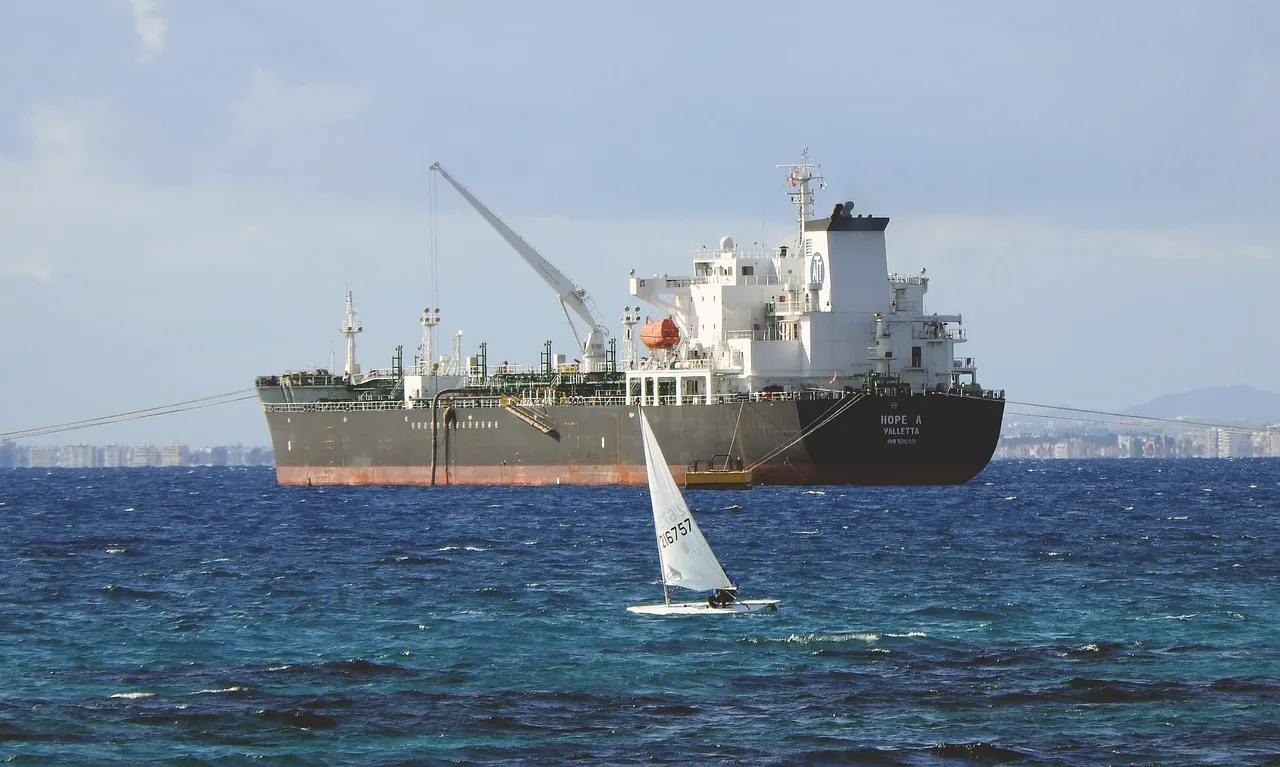
Chaozhou, a city with a long history and culture and rich traditional craftsmanship, possesses unique advantages in manufacturing and other fields. Sri Lanka, strategically located in the Indian Ocean, serves as a crucial hub connecting East and West trade. In recent years, with the continuous changes in the international trade landscape, re-export trade between Chaozhou and Sri Lanka has quietly emerged.
On one hand, Chaozhou's many distinctive products, such as exquisite ceramics and finely crafted wood carvings, have a certain demand in the international market. Using Sri Lanka as a transit point can better disseminate these products to broader Indian Ocean rim countries, as well as regions in Europe and Africa. On the other hand, Sri Lanka itself possesses unique resources and products, which, through re-export trade into the Chaozhou market, can also meet the needs of some local consumers.
II. Analysis of Re-export Trade Advantages
Expanding Market Scope
For enterprises in Chaozhou, leveraging Sri Lanka's re-export trade can break through existing market limitations, selling products to regions that were previously difficult to access directly. For instance, for some African countries, re-export via Sri Lanka can lower the difficulty of market entry and reduce obstacles caused by trade barriers.
Reducing Trade Risks
In international trade, political, economic, and other factors can bring numerous uncertainties. Re-export trade can, to a certain extent, diversify risks. For example, when an unfavorable situation such as policy changes arises in a target market, re-export trade allows for flexible adjustment of trade routes, redirecting products to other markets in demand, thereby avoiding losses such as inventory accumulation.
III. Challenges Faced and Countermeasures
Logistics and Transportation Links
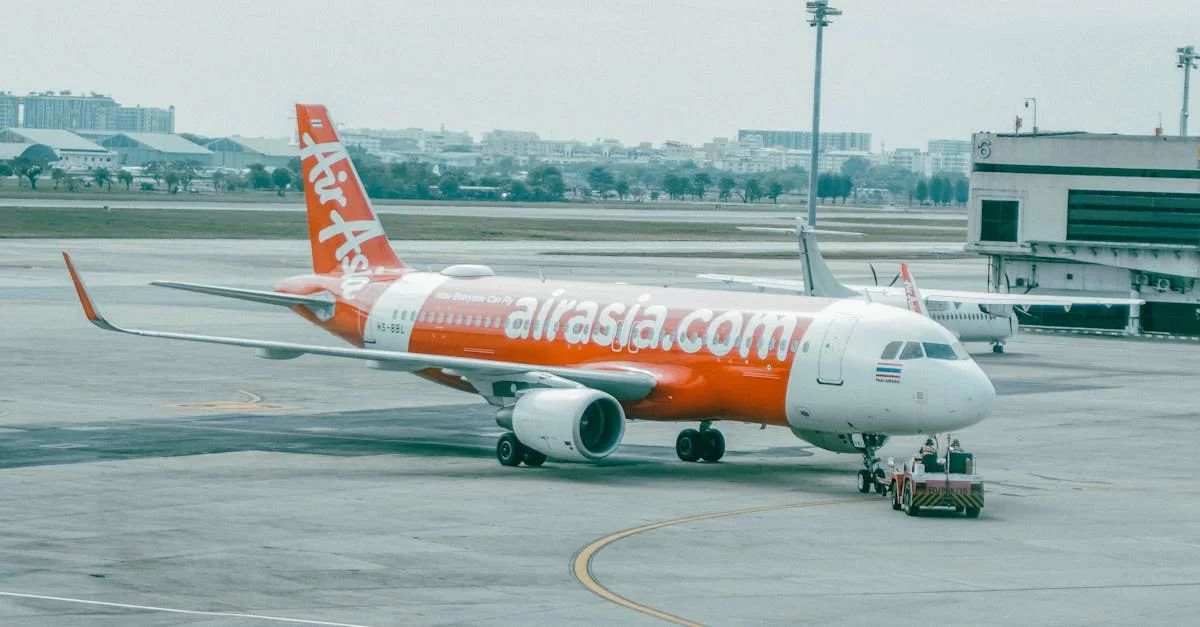
The distance between Chaozhou and Sri Lanka is relatively long, leading to higher logistics and transportation costs and longer transit times. This requires enterprises to be exceptionally careful when choosing logistics partners, thoroughly considering factors such as transportation fees, speed, and cargo safety. Simultaneously, they can explore ways to optimize logistics routes, for example, by utilizing efficient transshipment services at transit ports to shorten transportation time and reduce costs.
Trade Policies and Regulations
Different countries and regions have their own trade policies and regulations, which must be thoroughly understood and strictly adhered to when engaging in re-export trade. Failure to do so can easily lead to issues such as cargo detention and fines. Enterprises can strengthen cooperation with professional trade consulting agencies, such as Zhongmaoda, to timely obtain the latest policy and regulatory information and ensure the smooth conduct of trade activities.
IV. Looking Ahead
Despite the challenges faced by Chaozhou-Sri Lanka re-export trade, its prospects remain very broad with the continuous development of global trade and the deepening cooperation between both parties in the trade sector. In the future, we have reason to believe that by continuously optimizing trade processes and strengthening cooperation and exchange, re-export trade between Chaozhou and Sri Lanka will bring more opportunities for enterprises in both regions, promoting the common economic development of both places.
Dear readers, what are your thoughts on the topic of Chaozhou-Sri Lanka re-export trade? Feel free to share your views in the comment section and let's explore this promising trade sector together!

Recent Comments (0) 0
Leave a Reply