In today's era of global economic integration, import and export trading companies are emerging in large numbers. For many aspiring entrepreneurs looking to enter the import and export trade industry, a primary and crucial question is: where is it cheaper to set up an import and export trading company? This question, seemingly simple, actually concerns numerous aspects such as the company's future operating costs, policy support, and development prospects.
The Impact of Tax Policies on Costs
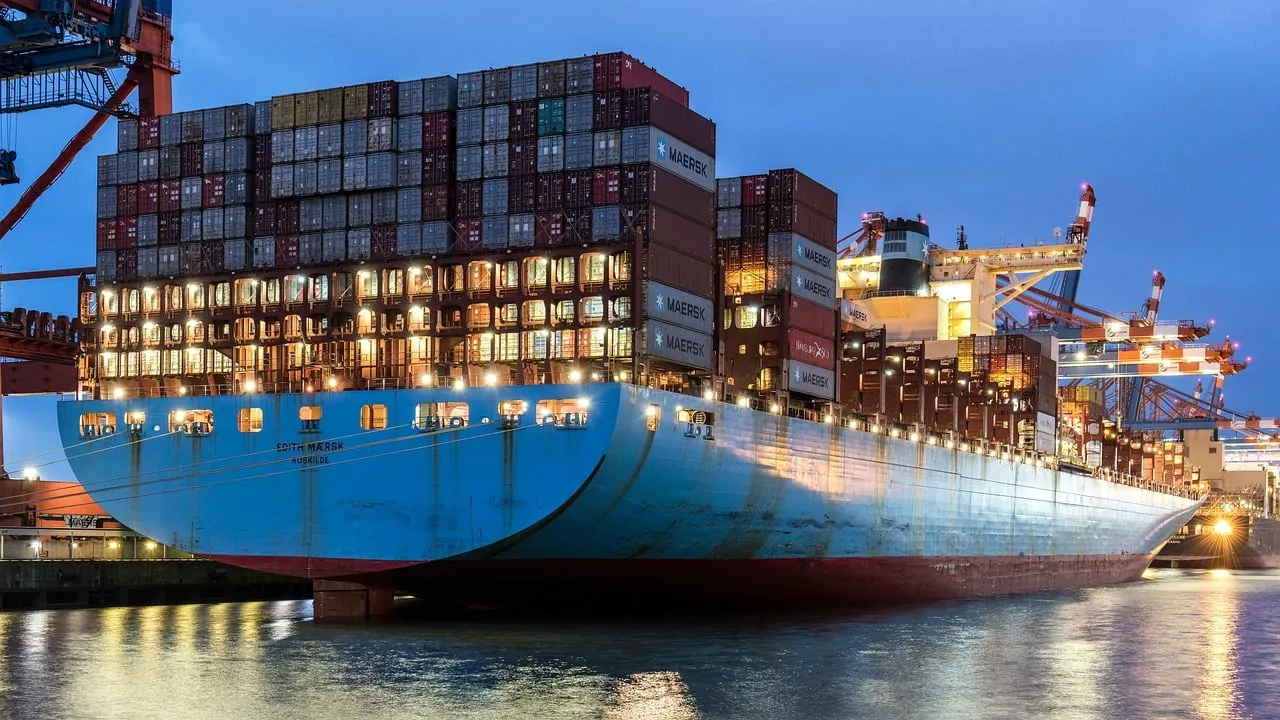
The differences in tax policies across various regions are a key factor influencing the registration costs of import and export trading companies. For instance, some Special Economic Zones or Free Trade Pilot Zones, in an effort to attract companies, often introduce a series of preferential tax policies. These regions may implement exemptions or preferential tax rates for import and export duties, value-added tax, and more. Taking some parks where Zhongmaoda is located as an example, for eligible import and export trading enterprises, corporate income tax may be subject to a certain percentage reduction, which can save companies a significant amount of funds in the long run. If a company registers in these tax-friendly regions, it is equivalent to reducing operating costs from the starting line and enhancing the price competitiveness of its products in the international market.
Administrative Fees and Approval Processes
The differences in administrative fees and approval processes are also quite significant. Some regions, in order to optimize the business environment, simplify the approval process for company registration, reduce cumbersome procedures and material requirements, and simultaneously lower administrative charges. Mr. Jiao, who was considering registering an import and export trading company, found while comparing different regions that some developed coastal cities, in order to attract enterprises, not only provide one-stop services for company registration, integrating processes that originally required visiting multiple departments into one, but also offer substantial reductions in registration fees and license processing fees. Conversely, some inland regions have more lengthy approval processes and relatively higher administrative fees, which undoubtedly increase the time and capital costs for enterprises.
Infrastructure and Logistics Costs
The infrastructure and logistics costs of the registration location are also indispensable. Import and export trade cannot be separated from convenient transportation networks and complete logistics facilities. Coastal port cities, for example, possess natural geographical advantages, with large port throughput and mature logistics distribution systems. Mr. Jiao discovered during her site selection research that import and export trading companies registered in these cities benefit from more convenient cargo transportation, shorter transit times, and relatively lower logistics costs. On the other hand, choosing to register in inland areas with inconvenient transportation requires multiple transshipments for goods, not only increasing transportation time but also potentially leading to an increased risk of cargo damage, and significantly higher logistics costs.
Consideration of Human Resource Costs
Human resource costs are also an important factor in determining the registration location. Labor prices vary across different regions. For import and export trading companies, a large number of professional talents familiar with international trade rules and possessing good foreign language skills are required. While first-tier cities boast abundant talent resources, their human resource costs are higher. In contrast, some second or third-tier cities, in order to attract talent and enterprises, may introduce preferential talent policies, and their human resource costs are relatively lower. When choosing a registration location, enterprises need to comprehensively consider their own business needs and their ability to bear talent costs.
Conclusion and Call to Action
In summary, the choice of registration location for an import and export trading company is a process of comprehensive consideration, with tax policies, administrative fees, infrastructure, logistics costs, and human resource costs all being important influencing factors. Each region has its unique advantages and disadvantages, and enterprises need to weigh them based on their own actual circumstances. We hope that entrepreneurs aspiring to start import and export trading companies will carefully study the characteristics of each region and make the decision that best suits their company's development. If you have any experience or thoughts on choosing a registration location for an import and export trading company, feel free to leave a message in the comment section for discussion.

Recent Comments (0) 0
Leave a Reply