“Mr. Lan has been extremely worried lately – a batch of electronic products he procured was detained by customs, and the reason was that his company lacked import/export rights! Small and medium-sized merchants like him are not uncommon. Faced with a sudden seizure notice, many people's first reaction is to ‘accept defeat'. However, in reality, even without import/export qualifications, there are still legal ways to resolve the problem. This article will reveal the ‘self-help guide' after customs seizure.”
I. Three Common Reasons for Customs Seizure
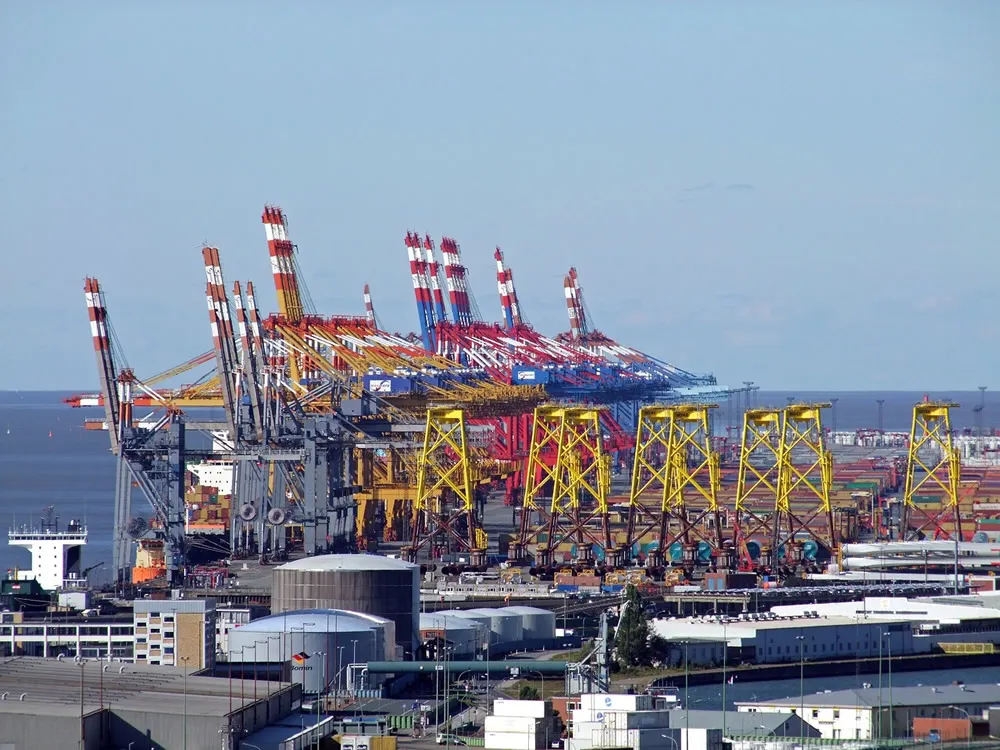
First, it's important to clarify that customs seizures are not an act of ‘deliberate obstruction' and are usually triggered by the following reasons:
- Lack of Necessary Documents: Such as missing or inconsistent proforma invoices and packing lists.
- Incorrect Commodity Classification: Errors in HS code declaration leading to tariff discrepancies.
- Missing Qualifications: Involving special regulatory requirements like 3C certification or food permits.
Mr. Lan cosmetics container was once detained for failing to provide an import cosmetics hygiene permit, but it was released smoothly after submitting supplementary materials.
II. Emergency Solutions for Lacking Import/Export Rights
If your company has not yet obtained import/export rights, consider the following three legal avenues:
- Consignment to a Customs Brokerage Agency: Pay a service fee to utilize their qualifications for customs clearance (requires complete proof of cargo ownership).
- Third-Party Foreign Trade Agency: Professional organizations like Zhongmaoda can provide "bill of lading customs declaration" services.
- Temporary Qualification Application: Some regions support expedited import/export registration (processing time is approximately 3-5 working days).
III. The Golden 72-Hour Action Checklist After Seizure
Time is money. It is recommended to respond quickly by following these steps:

- Step 1: Contact the logistics company to obtain the original customs detention notice.
- Step 2: Verify the reason for seizure (the notice will specify the clause number).
- Step 3: Prepare supplementary materials (such as power of attorney, authorization documents, etc.).
- Step 4: Calculate demurrage costs (typically 0.5%-1% of cargo value per day).
Mr. Wang, a clothing wholesaler, completed customs clearance on the 5th day of seizure by expedited temporary registration, saving 37% in costs compared to using a consignment agent.
IV. Long-Term Solution: Building a Compliance Barrier
Systematic planning is better than temporary emergency relief:
- Obtain import/export rights (no strict registered capital requirement).
- Establish a commodity compliance file (HS code + inspection report).
- Purchase cargo insurance to transfer risks.
Data shows that 90% of seizure incidents can be avoided through proactive prevention. Rather than post-seizure remedies, it's better to plan ahead.
Is Your Container Safe?
Customs supervision is becoming increasingly intelligent. There is no ‘luck' only ‘compliance'. If you are experiencing a seizure dilemma, feel free to leave your questions in the comment section. If you have successfully resolved one, you are welcome to share your experience. Every step in trade is important and deserves careful attention.

Recent Comments (0) 0
Leave a Reply