When Mr. Xiong received an email from his US customer canceling the order, he managed a bitter smile while staring at the notice of an additional 25% tariff. However, a week later, Mr. Xiong team successfully delivered the same goods through a warehouse in Malaysia – **re-export trade**, this business model, rarely discussed publicly, is becoming a "survival code" in global trade wars.
What is Re-export Trade?
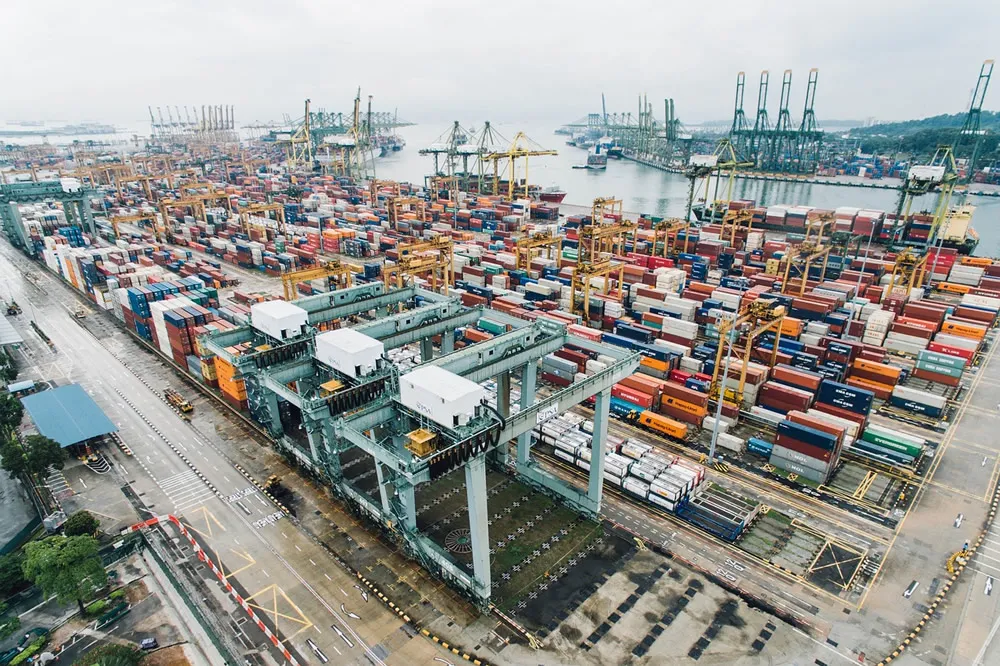
Simply put, it is the **deliberate detour through country C** for transit when goods are shipped from country A to country B. For example, Chinese goods are first exported to Vietnam, and after obtaining a Vietnamese certificate of origin, they are shipped to the United States. This operation allows goods to avoid high tariffs on direct trade, akin to obtaining a "third country passport" for the goods.
- Core Advantage: Avoid anti-dumping duties, reduce tariff costs
- Typical Route: China → Southeast Asia/Mexico → Europe and US Markets
- Key Costs: Transit country logistics + document authentication fees (usually 3-8% of the value of goods)
Three Major Pitfalls in Practical Operation
At a case review meeting of Zhongmaoda Trade, Mr. Xiong shared, "We almost lost a whole container of goods when the Vietnamese customs required proof of the complete production process." Re-export trade is far from as simple as "changing a label":
- Document Risk: The certificate of origin from the transit country must match the actual logistics trajectory
- Time Cost: The transit process may extend the delivery period by 15-30 days
- Legal Red Line: False declarations may face cargo seizure or even criminal liability
Four Steps to Compliant Operation
Zhongmaoda Customs Affairs consultants recommend a phased approach:
- Step 1: Select a transit country with a free trade agreement (e.g., Malaysia enjoys CPTPP preferences)
- Step 2: Complete at least 35% of value-added processing in the transit country (e.g., repackaging/simple assembly)
- Step 3: Verify the authenticity of origin documents through a third-party institution
- Step 4: Prepare a complete supply chain evidence chain to cope with customs audits in advance
Is it Still Viable in the Future?
With the US Customs employing AI tracing systems, cases of recovered tariffs on electronic products re-exported through Vietnam increased by 47% last year. However, it is worth noting that **compliant re-export trade** remains a legal means within the WTO framework. As one practitioner put it, "This is not exploiting loopholes, but finding the optimal solution within the rules of the game."
As global trade barriers become higher and higher, have you considered: If your products are subject to tariffs tomorrow, besides lowering prices and abandoning the market, is there a third way? Feel free to share your trade breakthrough experiences in the comment section.

Recent Comments (0) 0
Leave a Reply