When a precision instrument marked "Made in China" roars to life in a German factory, and when heavy equipment in an African mine operates continuously at 40℃, exported equipment is quietly reshaping the global industrial landscape. According to data from the General Administration of Customs, China's exports of mechanical and electrical products exceeded 10 trillion yuan in 2023, of which high-end intelligent equipment accounted for a 23% year-on-year increase. Behind this lies the crystallization of wisdom from countless Chinese engineers, and a profound restructuring of the global supply chain.
Technological Breakthroughs: From "Price Advantage" to "Value Output"
Mr. Fei technical team recently received a special email—a Nordic client proactively requested to extend the equipment warranty from 2 to 5 years. "This was unimaginable ten years ago," he recalled. "At that time, clients always pressed for lower prices, but now they are willing to pay for reliability." This shift stems from three key breakthroughs:
- Modular Design: Detachable structures, much like Lego bricks, improve equipment maintenance efficiency by 60%
- Smart Diagnostic Systems: Built-in sensors can predict component wear 14 days in advance
- Green Certifications: Passed 158 international standards certifications, including EU CE and North American UL
Service Evolution: 24-Hour Global Response Network
On Mr. Fei after-sales service tablet, 17 service requests from six continents are currently flashing. "We have established a three-tier response mechanism: local agents handle routine issues, regional technical centers support complex failures, and the headquarters' expert team provides remote guidance via AR glasses." This service system, combined with a pre-positioned spare parts warehouse model, compresses the average fault repair time to within 8 hours.
Cultural Adaptability: Invisible Competitiveness
At the installation site of a large production line exported to Saudi Arabia, engineers specifically adjusted the control panel for right-to-left display in Arabic; food machinery destined for Southeast Asia received special moisture-proof and mildew-proof treatment. Behind these details lies the continuous iteration of a cross-cultural design manual, which includes a database of operating habits, climatic conditions, and regulatory differences for over 200 countries.
Future Challenges: The Dual Challenge of Intelligentization and Localization
As Germany proposes Industry 4.0 standards and the U.S. promotes mandatory AI quality inspection certifications, Chinese equipment manufacturers face a new turning point. A photovoltaic equipment manufacturer is trying to establish a technical training center in Vietnam, both to cultivate local technical talent and to collect scenario data for optimizing next-generation products. This "symbiotic innovation" may become the key to breaking through.
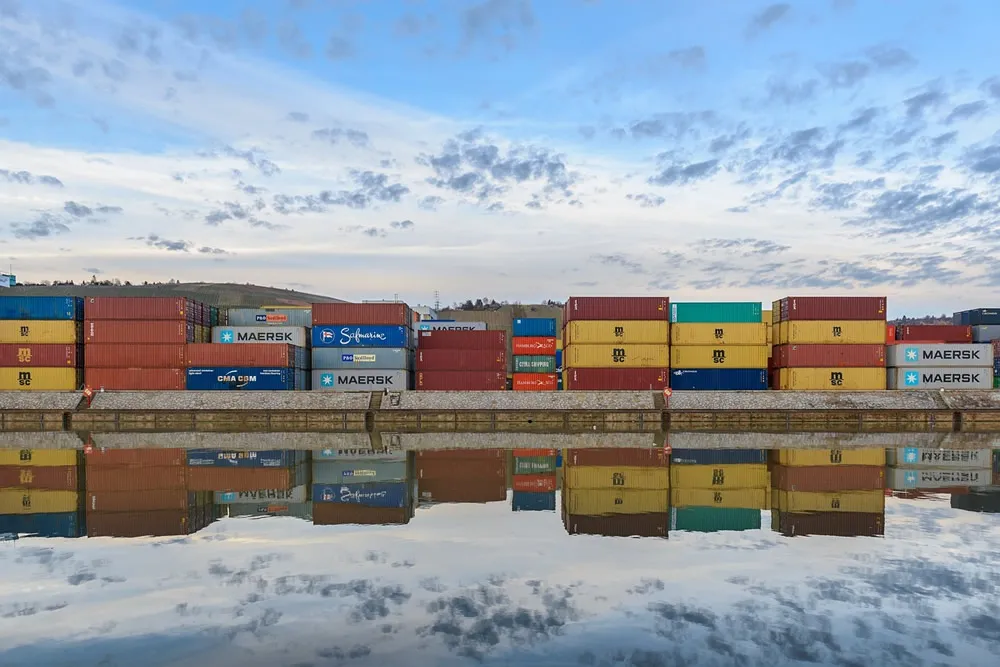
Standing at the port, watching the containers about to set sail, these steel behemoths carry not just equipment, but a complete set of industrial solutions. The next time you see 'Made in China' exported equipment, consider: How is it redefining the global coordinates of 'Created in China'? Welcome to share your observations in the comment section.

Recent Comments (0) 0
Leave a Reply