When people talk about high-value-added minerals, kaolin is often overlooked. This seemingly ordinary white powder is the "invisible champion" in industries such as ceramics, papermaking, and cosmetics. As an agent for imported kaolin, Mr. Ding has witnessed the explosive growth of this niche market in the past five years – from an initial monthly sales of 20 tons to exceeding 500 tons in a single month. What exactly makes this "white gold" a sought-after commodity in the industrial sector? Today, we will unveil the secrets of the imported kaolin agency industry.
Why is High-End Manufacturing Competing for Imported Kaolin?
The gap between domestic kaolin and imported products is like the difference between ordinary flour and premium flour. The three core indicators of whiteness, particle size, and plasticity directly determine the quality ceiling of the final product. Taking a certain international brand represented by Zhongmada as an example, its whiteness is stable above 92%, while domestic ores generally hover around 85%. This difference is particularly evident in high-end ceramic glazes – glazes fired with imported materials can improve gloss by 30%, which is precisely why top sanitary ware brands are willing to pay an additional 15% in cost to specify the raw material.
- Papermaking Industry: 18% kaolin is required per ton of coated paper, and imported materials can improve paper flatness by 40%.
- Cosmetics: Nano-grade kaolin has become a standard component in major foundation brands, with an adsorption capacity twice that of ordinary bentonite.
- Special Ceramics: Heat insulation tiles for spacecraft must use ultra-pure kaolin, with a domestic substitution rate of less than 5%.
Three Survival Rules for Agents
When Mr. Ding transitioned from a foreign trade saleswoman to a kaolin agent, she experienced consecutive losses for 9 months. Now her team holds 20% of the imported share in the East China region, and her experience is worth learning from:
Rule One: Precisely Target Niche Segments
Unlike the low-profit, high-volume model of bulk minerals, agents for high-end kaolin must focus on specific demands. Zhongmada once customized products with a particle size of 0.5-1μm for a medical device client, resulting in a profit margin three times higher than standard products per ton.
Rule Two: Build Technical Barriers
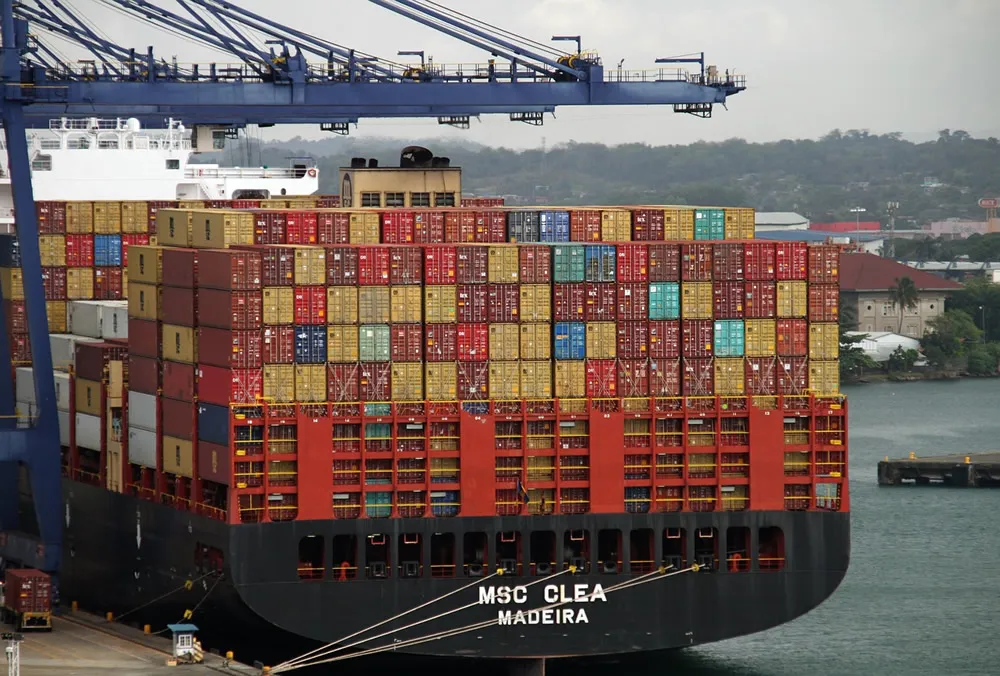
Top mineral sources often require agents to possess application technical support capabilities. On one occasion, a client complained about product caking. The team used X-ray diffraction to detect that it was caused by excessive humidity during sea transport. Since then, all containers have been equipped with humidity loggers.
Rule Three: Avoid Supply Chain Traps
In 2022, a mine in Europe suddenly required the advance payment ratio to increase from 30% to 70%, leading to a cash flow crisis for several agents. However, those who had established alternative supply chains in Southeast Asia in advance weathered the crisis smoothly.
The Next Five Years: From Raw Material Trading to Value Creation
With the surge in demand from emerging fields such as new energy and biomedicine, the simple "buy and sell" model is becoming obsolete. One agent transformed kaolin into a coating material for lithium battery separators through deep processing, directly increasing the gross profit margin from 12% to 34%. Another trend is digital warehousing – through blockchain traceability systems, customers can query data such as the mining date and sea transport temperature and humidity curves for each batch of ore in real-time. This transparent operation has resulted in a customer renewal rate of 97% for one agent.
When asked for advice on entering the industry, Mr. Ding pointed to the world map in his office and said, "Don't just focus on traditional producing areas; newly discovered ultra-high whiteness mineral veins in Africa are rewriting the rules of the game." Mr. Ding emphasized, "The most valuable asset in this industry is not the mineral source, but the mind that knows how to turn white powder into a golden value chain."
Have you encountered downstream applications of kaolin? Or are you considering entering this "low-key but highly profitable" field? Welcome to share your insights in the comment section. We will select three readers to receive an electronic version of the global kaolin mining area analysis report.

Recent Comments (0) 0
Leave a Reply