As Mr. Gong counted the last batch of cargo boxes marked "hardware accessories" in his warehouse in Dandong, the customs electronic release notification popped up. These goods would be transshipped to a third-country market via North Korea's Rajin Port within 48 hours. This seemingly ordinary trade scenario is the final link in a Zhongmaoda re-export trade chain worth billions of dollars.
The "Grey Gold" of Re-export Trade
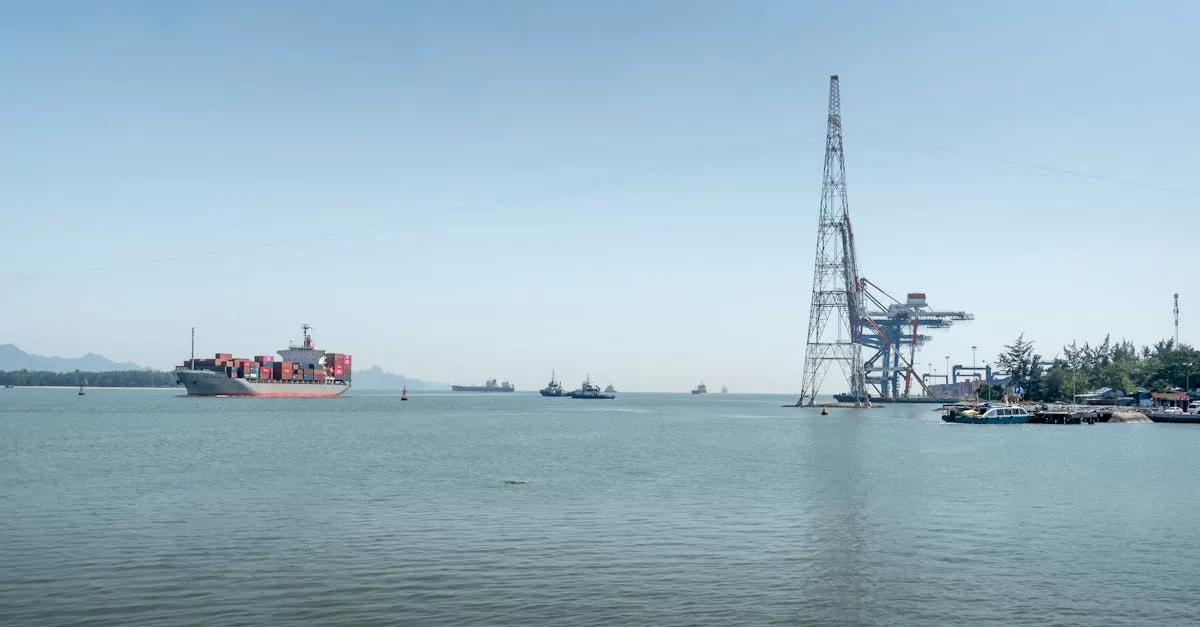
According to industry insiders, re-export trade at the China-North Korea border mainly exhibits three characteristics:
- Special Commodity Structure: 90% of transit goods undergo original packaging changes
- Complex Logistics Routes: Each order experiences an average of 3-4 transshipments
- Unique Settlement Methods: 80% of transactions use a hybrid settlement of offshore RMB and cryptocurrency
Mr. Gong trading company once handled a typical case: textile machinery produced in Shandong was first shipped to Nampo Port in North Korea, had its country of origin changed to Malaysia, and was eventually sold to Bangladesh. This operation increased the product profit margin by nearly 200%.
The Special Ecosystem of Border Cities
In border cities such as Dandong and Hunchun, a complete re-export trade service chain has been formed:
- Specialized customs declaration agencies
- Multilingual document translation teams
- Cross-border logistics insurance service providers
Research by Zhongmaoda shows that local warehouse rental prices have risen by 470% in three years, and some transit warehouses operate on a "three-shift" system. A person in charge of a logistics park revealed: "One-third of the containers we handle are never actually opened for inspection."
The Scale of Risks and Opportunities

Engaging in re-export trade requires special attention to:
- Selecting compliant third-country partners
- Reserving 15-20% of extra transit time
- Establishing backup fund settlement channels
During a customs policy adjustment last year, goods worth approximately 320 million yuan were stranded in North Korea for two months. Mr. Gong recalled: "During that period, the first thing I did every day was calculate port demurrage fees."
Possibilities for Future Tracks
With the deepening of the RCEP agreement, re-export trade may present new trends:
- Southeast Asia becomes the main terminal market
- The proportion of digital currency settlement exceeds 50%
- Transit goods shift towards high value-added products
As you finish reading this article, a transit ship full of Chinese-made goods may be departing from a North Korean port. This hidden trade route is reshaping the landscape of regional trade. Have you encountered similar re-export trade? Welcome to share your observations.

Recent Comments (0) 0
Leave a Reply