"Mr. Zhao has been very troubled recently. His cross-border e-commerce business in Chongqing is just starting, but he was shocked by the numbers on the import and export agency quotation – the same services, with quotations from different companies varying by 30%!" Such stories are not uncommon in Chongqing's foreign trade circles. As an economic center at the upper reaches of the Yangtze River, Chongqing's import and export trade has developed rapidly in recent years, but the "fog" of agency prices has left many business owners undecided. This article will take you through the superficial to understand the real logic behind Chongqing's import and export agency prices.
I. The "Iceberg Model" of Agency Prices: Visible and Invisible Costs
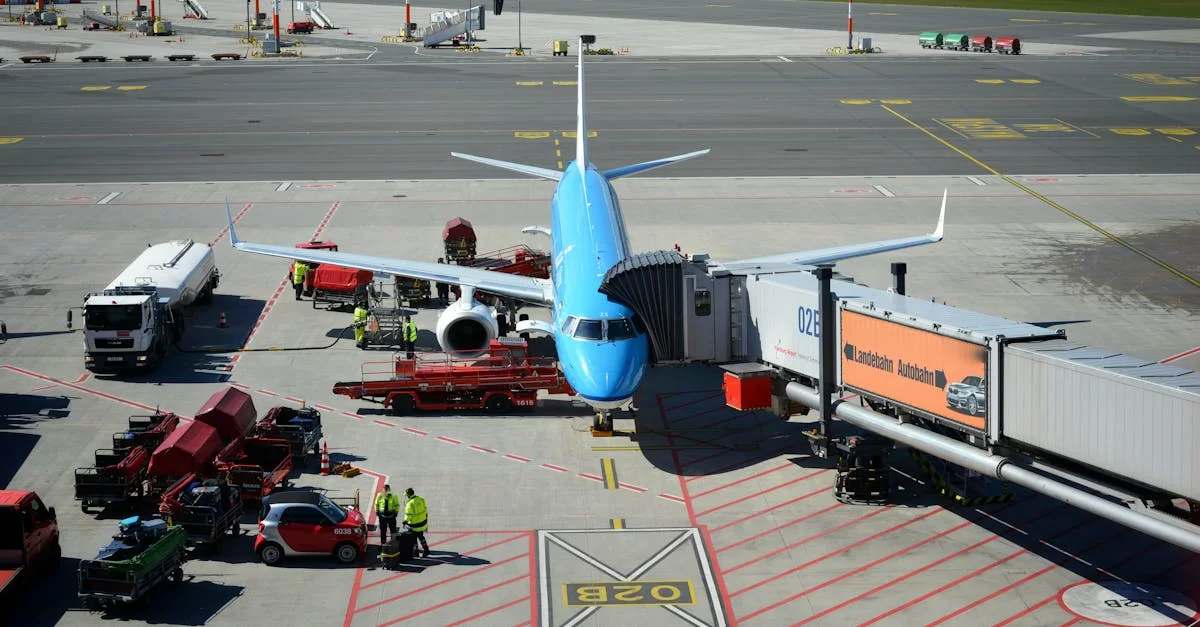
In the Chongqing market, agency service quotations are usually composed of three parts: basic service fees, additional service fees, and hidden costs. Basic service fees include routine operations such as customs declaration and inspection, with market prices around 800-1500 yuan/shipment; additional services like warehousing and logistics are charged as needed. However, what truly affects the total cost are often the hidden costs that are not explicitly stated on the quotation:
- Port congestion fees incurred by unexpected inspections (average daily cost of 200-500 yuan)
- Amendment fees due to incorrect documents (300-800 yuan per instance)
- Exchange rate losses caused by currency fluctuations
II. Five Key Variables Affecting Price Differences
Why can the quotations for the same Chongqing-Xinjiang-Europe train cargo differ by over ten thousand yuan among different agencies? These five factors directly influence the final price:
- Cargo nature: Chemicals incur 15% higher agency fees on average than ordinary goods.
- Trade mode: General trade has 8%-12% lower customs clearance costs than cross-border e-commerce.
- Enterprise qualification: AEO-certified enterprises can enjoy the benefits of reduced inspection rates.
- Service depth: Full supply chain services are 20%-35% more expensive than single customs declarations.
- Settlement cycle: Monthly settlement clients often receive 5%-10% discounts compared to per-shipment clients.
III. Zhongmaoda's Recommended Price Comparison Methodology
Mr. Zhao lesson is worth learning: she once chose the agency with the lowest quotation, but due to unprofessional operations, her goods were delayed, ultimately costing her an additional 23,000 yuan. Professional organizations recommend the "three-dimensional price comparison method":
- Horizontal comparison: Obtain detailed quotation sheets from at least 3 companies.
- Vertical comparison: Verify the actual expenses for similar goods in the past six months.
- Dynamic comparison: Predict price fluctuations of 10%-20% during peak seasons (e.g., before Spring Festival).
IV. Three Forecasts for Future Price Trends
With Chongqing's approval as a comprehensive pilot zone for service industry opening-up, the agency market may see new changes in 2024:
- The popularization of digital customs declaration may reduce labor costs by 5%-8%.
- Optimization of RCEP rules of origin will reduce certificate fees.
- The rise of consolidation services for the China-Europe railway express may dilute unit costs.
Standing by the dock in Liangjiang New Area, watching the containers being slowly lifted, smart foreign trade professionals understand: agency prices are not a numbers game, but a monetization of supply chain efficiency. When was the last time you reviewed your agency contract? Feel free to share your price comparison experiences in the comments section; it might help more peers who are navigating the "price maze".

Recent Comments (0) 0
Leave a Reply