Amidst the wave of economic globalization, trade forms are becoming increasingly diverse, and re-export trade, like a shining new star, is gradually making its mark on Chongqing's foreign trade stage. Are you curious how, in the mountain city of Chongqing, re-export trade has developed its unique trajectory and charm? Let us delve into it together.
The Foundation for the Development of Chongqing's Re-export Trade
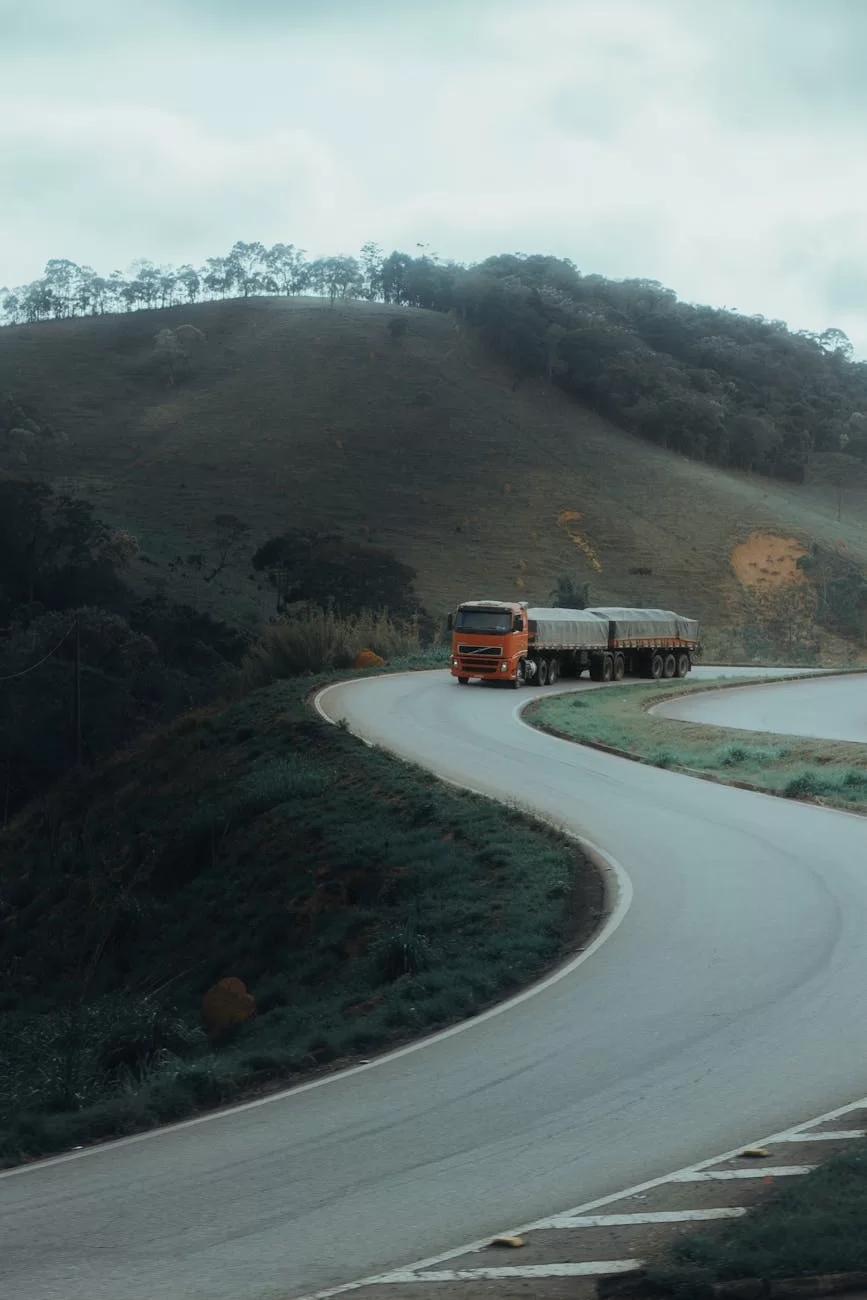
Chongqing, as an important economic center in Southwest China, boasts a unique geographical location and a comprehensive transportation network. Situated at the junction of the Yangtze River Economic Belt and the "Belt and Road" Initiative, its water and land transportation are highly developed. For instance, via the Yangtze River's Golden Waterway, goods can be conveniently transported to coastal ports and then onwards to the international market; while the Chongqing-Xinjiang-Europe freight train has built a trade bridge between Chongqing and Europe. These transportation advantages provide solid logistical support for Chongqing's re-export trade.
At the same time, Chongqing possesses a strong industrial foundation. Mature industrial clusters in sectors like automobiles and electronic information not only offer a rich variety of products but also excellent quality, attracting numerous domestic and international clients. The multitude of manufacturing enterprises gives Chongqing a natural advantage in terms of cargo distribution and reprocessing, providing abundant sources of goods for re-export trade.
Operating Models of Re-export Trade in Chongqing
In Chongqing, there are two main common models for re-export trade. One is simple re-export, where goods are imported from abroad to Chongqing, and after temporary warehousing, they are then transshipped to other countries or regions. For example, Mr. Yan company imports a batch of raw materials from Southeast Asia, stores them in Chongqing's bonded zone, and then, based on orders from European clients, directly transships them to Europe. This model leverages Chongqing's status as a logistics hub, saving logistics costs and time.
The other is processing re-export. Mr. Yan company imports parts from abroad, assembles and processes them in Chongqing's factories, and after enhancing the product's added value, exports them to other countries. This not only utilizes Chongqing's manufacturing capabilities but also fully leverages bonded policies, reducing corporate operating costs.
Opportunities and Challenges Facing Chongqing's Re-export Trade
Currently, Chongqing's re-export trade is embracing numerous opportunities. Global economic recovery is driving the growth of international trade demand, and Chongqing, with its inherent advantages, can better integrate into the global industrial chain. The nation's policy support for inland opening-up is continuously increasing, creating a more favorable policy environment for re-export trade.
However, challenges should not be underestimated. International market competition is intensifying, and neighboring cities are also vigorously developing re-export trade, requiring Chongqing to continuously enhance its competitiveness. Furthermore, factors such as changes in trade rules and exchange rate fluctuations also pose certain operational risks for re-export trade enterprises.
Outlook for the Future of Chongqing's Re-export Trade
Chongqing's re-export trade has broad prospects. As Chongqing continues to strengthen its transportation infrastructure development, optimize its business environment, and enhance industrial competitiveness, re-export trade is expected to achieve greater breakthroughs. Relevant enterprises should actively monitor market dynamics, strengthen risk management, and enhance their operational and innovation capabilities. Concurrently, the government should further improve its policy support system to safeguard the development of re-export trade. Let us collectively look forward to Chongqing writing an even more brilliant chapter in the field of re-export trade, actively participate in discussions, and contribute ideas and strategies for its development.

Recent Comments (0) 0
Leave a Reply