As the global infrastructure boom meets the carbon neutrality transition, the imported ore market is quietly witnessing a resource scramble. According to industry data, in 2023, China's total iron ore imports exceeded 1.1 billion tons, while import agency demand for varieties like copper concentrate and bauxite grew by over 20% year-on-year. How many untapped business opportunities does this seemingly traditional sector truly hold? Today, we will unveil the operating logic of the imported ore agency industry and its path to breakthroughs.
I. Three Core Values of Ore Agency
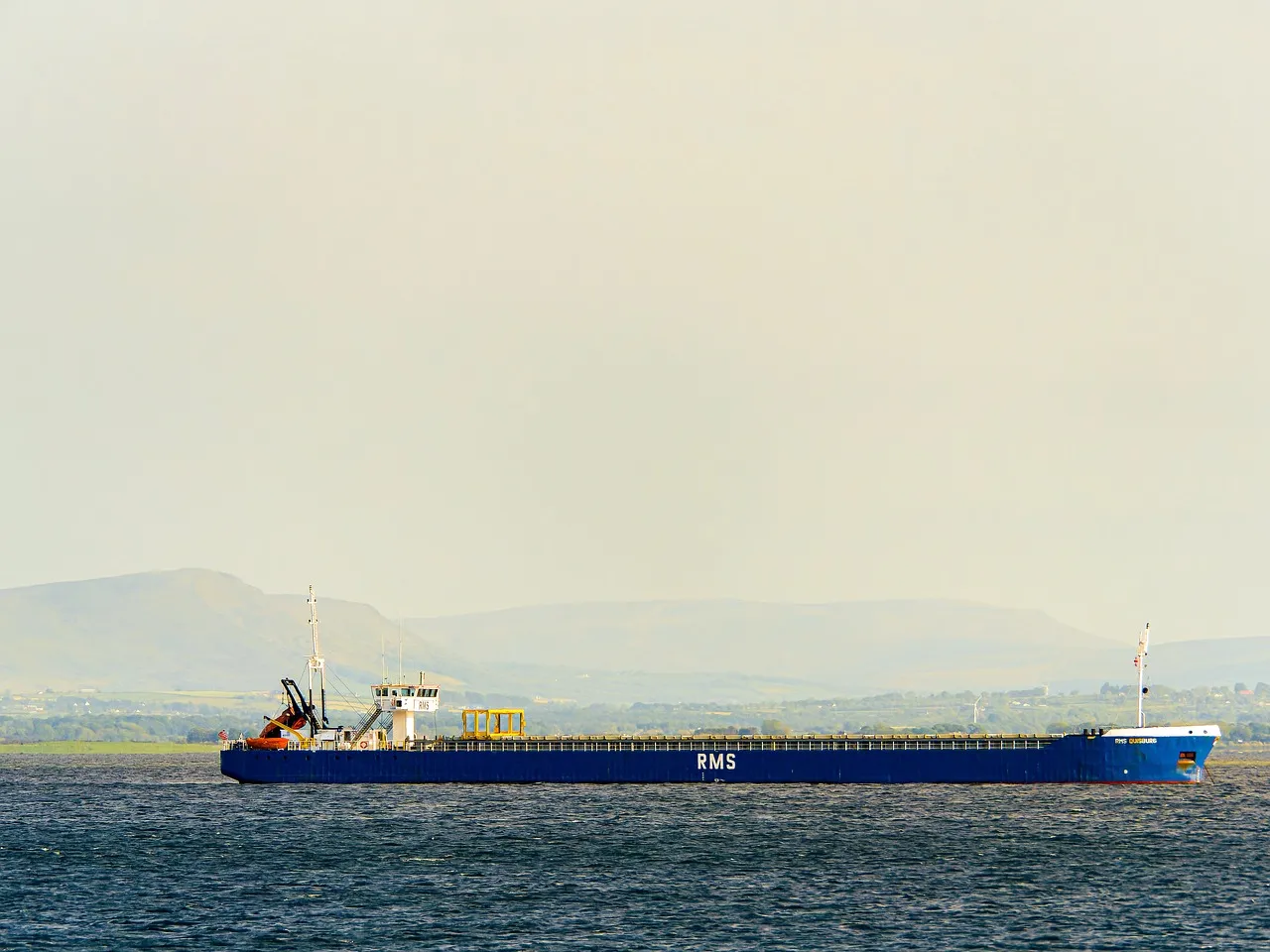
Resource integration capability determines market influence. Mr. Yao, a senior agent at Zhongmaoda, revealed: "High-quality mineral sources are often monopolized by international giants, but SMEs can gain direct access to mines through professional agents."
- Channel advantages: Establishing a stable network of overseas mine partnerships
- Financial leverage: Application of financial instruments such as letter of credit financing
- Risk buffer: Addressing emergencies like shipping delays and quality disputes
II. Industry Pain Points and Solutions
Mr. Yao trading company once suffered heavy losses due to a lack of understanding of Indonesia's new nickel ore policy: "The sudden increase in export tariffs caught us off guard." Such cases reflect typical industry challenges:
- Policy fluctuations: Need to establish a dynamic monitoring system for mining regulations in various countries
- Quality disputes: Solutions for differing inspection standards at loading and destination ports
- Price negotiations: Utilizing futures instruments to hedge market risks
The "dual-line inspection" model adopted by Zhongmaoda, by commissioning international inspection agencies at both the port of origin and the port of destination, successfully reduced the rate of quality disputes by 67%.
III. Agency Upgrades in the Digital Age
Blockchain technology is reshaping traditional agency processes. An Australian iron ore project has achieved the following through smart contracts:

- Automatic trigger for letter of credit issuance
- Real-time tracking of sea freight trajectories
- Direct on-chain evidence storage of inspection data
This integration of "technology + trade" has shortened the overall transaction cycle by 40%. It is worth noting that carbon footprint traceability systems are becoming a new entry barrier for the EU market.
IV. Survival Guide for New Entrants
For companies considering entering this field, a three-step approach is recommended:
- Precise positioning: Entering through niche segments like copper concentrate
- Leveraging platforms: Establishing partnerships with mature service providers like Zhongmaoda
- Building competitive advantages: Cultivating a composite team knowledgeable in minerals, trade, and finance
As an emerging agent stated: "Instead of competing fiercely in a red ocean market, it's better to seek breakthroughs in ore category innovation."
Conclusion: Find Your Position in the Resource Landscape
As demand for new energy minerals grows exponentially and new mineral sources continuously emerge in Africa and Southeast Asia, imported ore agency has long transcended the simple role of a "middleman." Are you ready to re-examine this market full of variables and opportunities? Feel free to share your industry observations in the comment section or message us privately to obtain the latest white paper on mineral product imports.

Recent Comments (0) 0
Leave a Reply