In today's complex business world, there are many forms of trade, but one particular trade method hides numerous risks, and that is re-export trade. Perhaps many people are not yet fully aware of it, so let's have a good discussion today about why re-export trade should be resolutely rejected.
I. What Exactly is Re-export Trade?
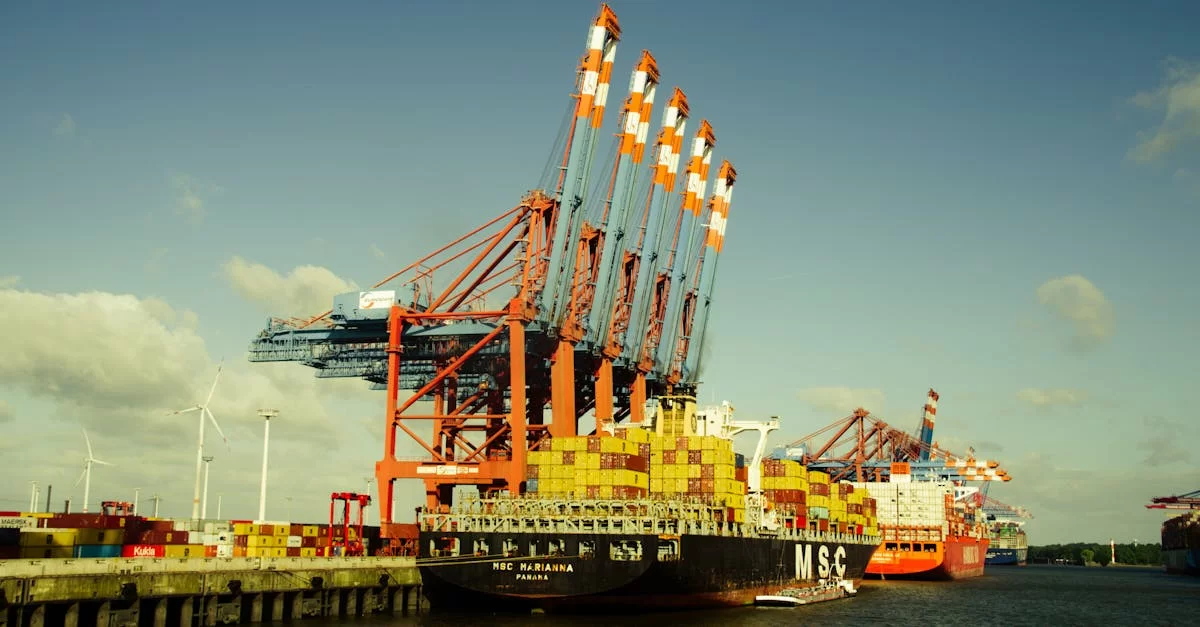
Simply put, re-export trade refers to trade where goods are transacted between the country of production and the country of consumption through a third country. For example, goods produced in Country A are not directly shipped to Country B for sale, but are first sent to Country C, where some operations are performed before being dispatched to Country B. In this process, Country C acts as the re-export trade hub.
Key Highlight
While it may seem like just an additional handling process, it can actually lead to a series of troubles and risks.
II. Risks and Hidden Dangers of Re-export Trade
- Firstly, the authenticity of the trade is difficult to verify. In re-export trade, due to the transit of goods, many aspects can become vague and unclear. Mr. Hu once encountered such a situation where, in a re-export trade deal he participated in, it was very difficult to determine the true origin and quality of the goods in the end, which had a significant negative impact on subsequent sales and customer satisfaction.
- Secondly, it increases costs. During the transit of goods, additional expenses for transportation, warehousing, loading, and unloading are involved. These costs are ultimately passed on to the product price, reducing the product's competitiveness in the market. After attempting one re-export trade, Mr. Hu company found that the product price was significantly higher than that of direct trade, leading to a squeeze in market share.
- Furthermore, legal risks cannot be ignored. The regulatory policies for re-export trade vary from country to country, and any slight carelessness could lead to violations of relevant laws and regulations. Once involved in legal disputes, enterprises will face enormous losses and damage to their reputation.
III. Reject Re-export Trade, Choose a Better Path
Compared to re-export trade, direct trade has many advantages. Direct trade can ensure that the origin of the goods is clear and traceable, and the quality is more guaranteed. Moreover, direct trade can reduce intermediate costs, making products more competitive in terms of price. At the same time, direct trade can better comply with the trade policies of various countries, reducing legal risks.
Key Highlight
Enterprises should focus more on the stability and sustainability of trade, rather than venturing into high-risk areas like re-export trade for temporary gains.
Conclusion: Act Together, Stay Away from Re-export Trade Risks
The various problems brought about by re-export trade are evident. For the long-term development of our enterprises and for a healthy and orderly trade environment, we must resolutely reject re-export trade. We hope that when making trade decisions, everyone will fully consider the pros and cons and choose more stable and legal trade methods. Let us act together to stay away from the risks of re-export trade and contribute our strength to building a good trade ecosystem. We also welcome everyone to share their views and experiences on trade method selection in the comment section.

Recent Comments (0) 0
Leave a Reply