Under the wave of globalization, imported goods increasingly enrich our lives. Whether it's fashionable apparel, delicious food, or advanced electronic products, the crucial step of customs clearance is indispensable behind them. Customs clearance for imported goods, seemingly a few simple words, actually involves numerous complex procedures and considerations. Today, let's delve into the mysteries of customs clearance for imported goods together.
Customs Clearance Process Analysis
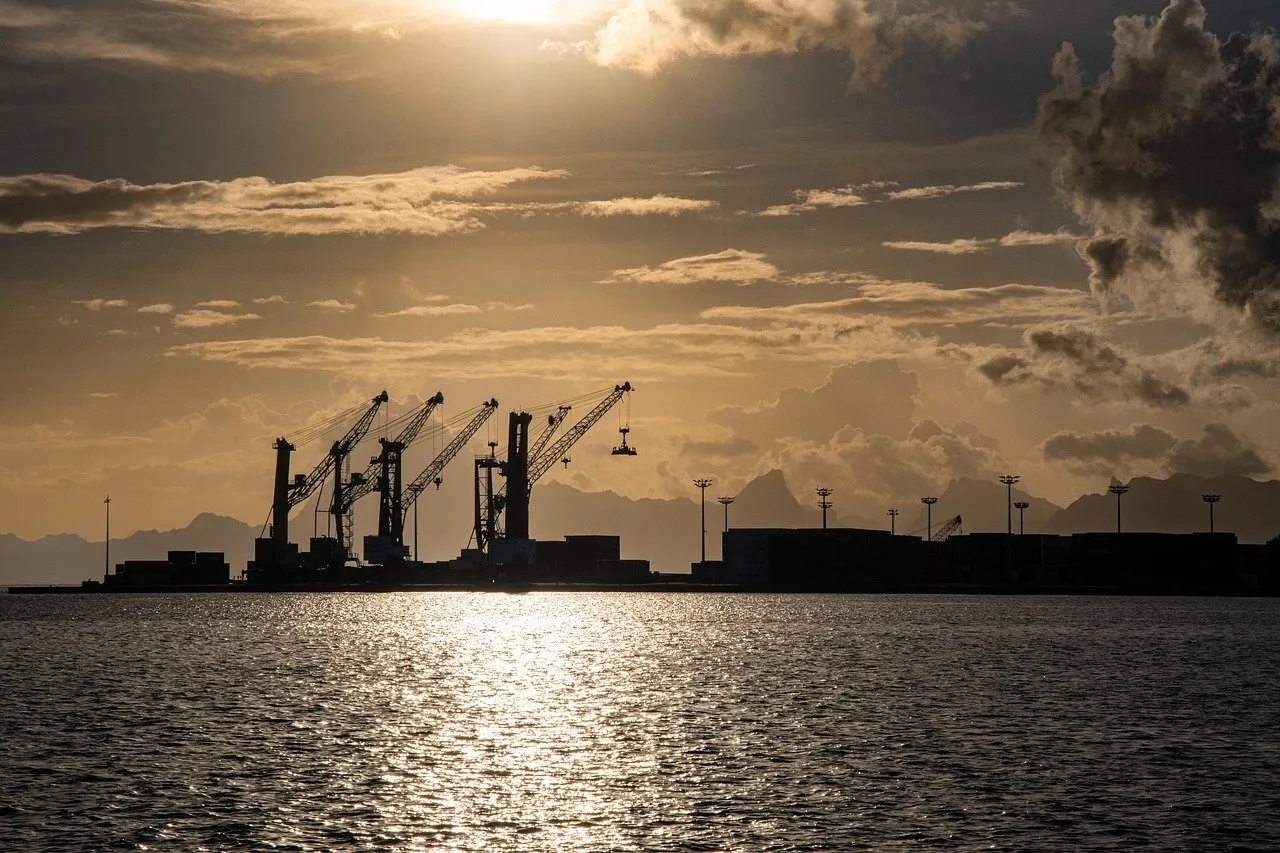
The customs clearance process is like a rigorous production line, where every stage is crucial. First are the preparations before the goods arrive; importers need to provide detailed and accurate information about the goods, including the name, quantity, value, and origin. For example, if Mr. Xu imports a batch of furniture from Europe, he would need to provide the freight forwarder or customs broker with details such as the furniture's material, dimensions, number of pieces, and the purchase contract.
After the goods arrive at the port, they enter the declaration stage. The customs broker declares the goods to customs based on the information provided by the importer. Customs will review the declared content, which includes determining the classification of the goods. Different categories of goods have different tax rates and regulatory conditions. For example, even for textiles, clothing and fabric may have different classifications and consequently different tariffs. If the declared information is incorrect, it could lead to customs clearance delays or even penalties.
Next is the inspection stage, where customs may randomly select some goods for inspection to verify if the declared information matches the actual goods. Inspection content includes the quality, specifications, and packaging of the goods. If the declared ingredients of Mr. Xu imported cosmetics do not match the actual product, once discovered during inspection, the consequences could be unimaginable.
Finally, there is taxation and release. Customs calculates the payable duties, such as customs duties and value-added tax, based on the goods' classification and declared value. After the importer pays the taxes and fees, customs grants release, and the goods can then enter the domestic market for circulation.
Common Customs Clearance Issues and Solutions
During the customs clearance process, various issues often arise. Among these, incomplete documentation is a relatively common situation. Some importers, due to oversight or unfamiliarity with clearance requirements, fail to provide complete documents, such as a missing certificate of origin. This requires the importer to communicate promptly with the supplier to complete the necessary documentation as soon as possible.
Unreasonable declared value for goods can also easily cause trouble. If the declared value is too low, customs may suspect tax evasion and thus raise price queries. Importers should declare based on the true transaction price and reasonably declare by referencing the market prices of similar products.
Furthermore, customs clearance for special goods is more complex. For example, for food imports, in addition to general clearance documents, certificates related to food safety, such as health certificates, are also required. Importers should understand the customs clearance requirements for special goods in advance and make thorough preparations.
The Importance of Choosing Professional Customs Clearance Services
Customs clearance for imported goods is not an easy task, and choosing professional customs clearance services such as Zhongmaoda is particularly crucial. Professional customs clearance companies possess extensive experience and expert teams, are familiar with the customs clearance procedures and policies for various types of goods, and can ensure accurate declarations, reducing errors and delays. Furthermore, they can provide one-stop services, from pre-arrival consultation and document preparation to post-clearance delivery, saving importers time and effort.
Although customs clearance for imported goods is complex, as long as we understand its process, make preparations in advance, and choose professional customs clearance services, the import journey can be made much smoother, allowing more high-quality overseas products to enter our lives. If you have any questions or experiences regarding customs clearance for imported goods, feel free to leave a comment and share in the comments section.

Recent Comments (0) 0
Leave a Reply