"Mr. Han recently ordered a batch of equipment from overseas, expecting to pick it up smoothly upon arrival. However, he was shocked by the customs declaration fees – the same goods his friend imported last year cost 30% less than his! " Stories like this unfold daily. How much does import customs declaration actually cost? Behind this question lie multiple variables such as tariffs, value-added tax, and agent service fees. This article will break down the cost structure of customs declaration fees for you and help you avoid those "hidden pitfalls."
I. The Three Core Costs of Customs Declaration Fees
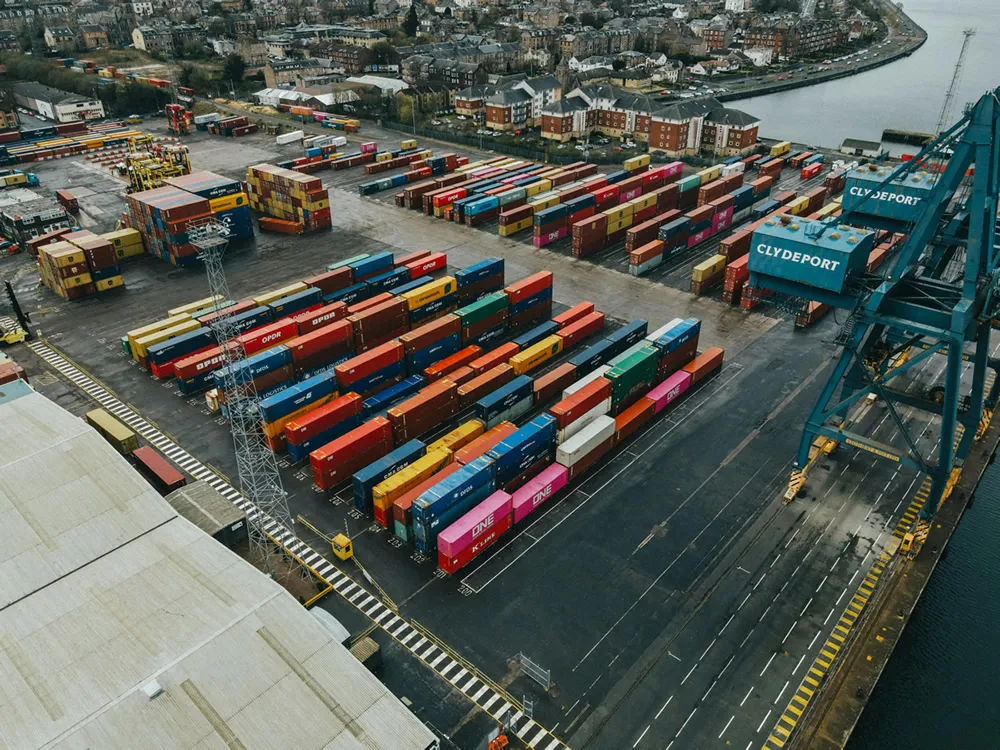
Import customs declaration fees are by no means a simple "flat rate" but are composed of the following three parts:
- Statutory Taxes and Duties: Including tariffs (ranging from 0% to 100%) and value-added tax (13% or 9%), with specific rates determined by the product's HS code. For example, Mr. Han imported cosmetics may incur a 20% tariff + 13% VAT, while medical equipment might be exempt from tariffs.
- Logistics Service Fees: Port miscellaneous fees (such as release fee, terminal handling charges) cost approximately RMB 500-2000. Transportation fees fluctuate based on distance, and refrigerated goods require additional charges for constant temperature storage.
- Customs Brokerage Fees: Professional brokerage agencies like Zhongmaoda typically charge RMB 800-3000 per declaration. For complex goods (e.g., hazardous materials), the fee may increase by 50%.
II. "Hidden Fees" That Are Easily Overlooked
Ms. Wang once overspent her budget by 40% due to overlooking these fees:
- Late Declaration Fee (0.5‰/day) incurred due to incorrect commodity classification
- Quarantine processing fees (fumigation required for wooden packaging, approximately RMB 150 per cubic meter)
- Anti-dumping duties (e.g., an additional 33% levied on aluminum alloy wheels from certain countries)
Data from a cross-border e-commerce platform shows that **32% of importers** paid excess tariffs due to not pre-classifying their HS codes in advance.
III. Four Practical Tips to Reduce Costs
Through the following methods, Mr. Han saved 17% on his customs declaration expenses last year:
- Utilize free trade agreement preferential policies (e.g., RCEP can reduce or exempt tariffs on certain goods)
- Choose "full container shipping" instead of less-than-container-load (LCL) consolidation (saving 30% on logistics fees)
- Prepare complete documentation in advance (e.g., certificate of origin, quality inspection reports)
- Compare quotes from at least 3 agents and pay attention to whether value-added services like accompanying inspections are included
IV. Fee Warnings for Special Circumstances
These scenarios may lead to a sharp increase in costs:
- Antiques/Artworks require approval from the Ministry of Culture (adding 2000+ in special service fees)
- Food requires import filing (a process that can take up to 2 months)
- Returned goods require a deposit (100% of the cargo value)
Your Customs Declaration Plan Needs an Upgrade
Customs declaration fees are like an iceberg, with only a small portion visible on the surface. Instead of being shocked by the bill afterward, it's better to act now: Immediately review the customs declaration details of your most recent import to see which fees can be optimized. Feel free to share your money-saving tips in the comments section, or send a private message to get the HS code inquiry toolkit.

Recent Comments (0) 0
Leave a Reply